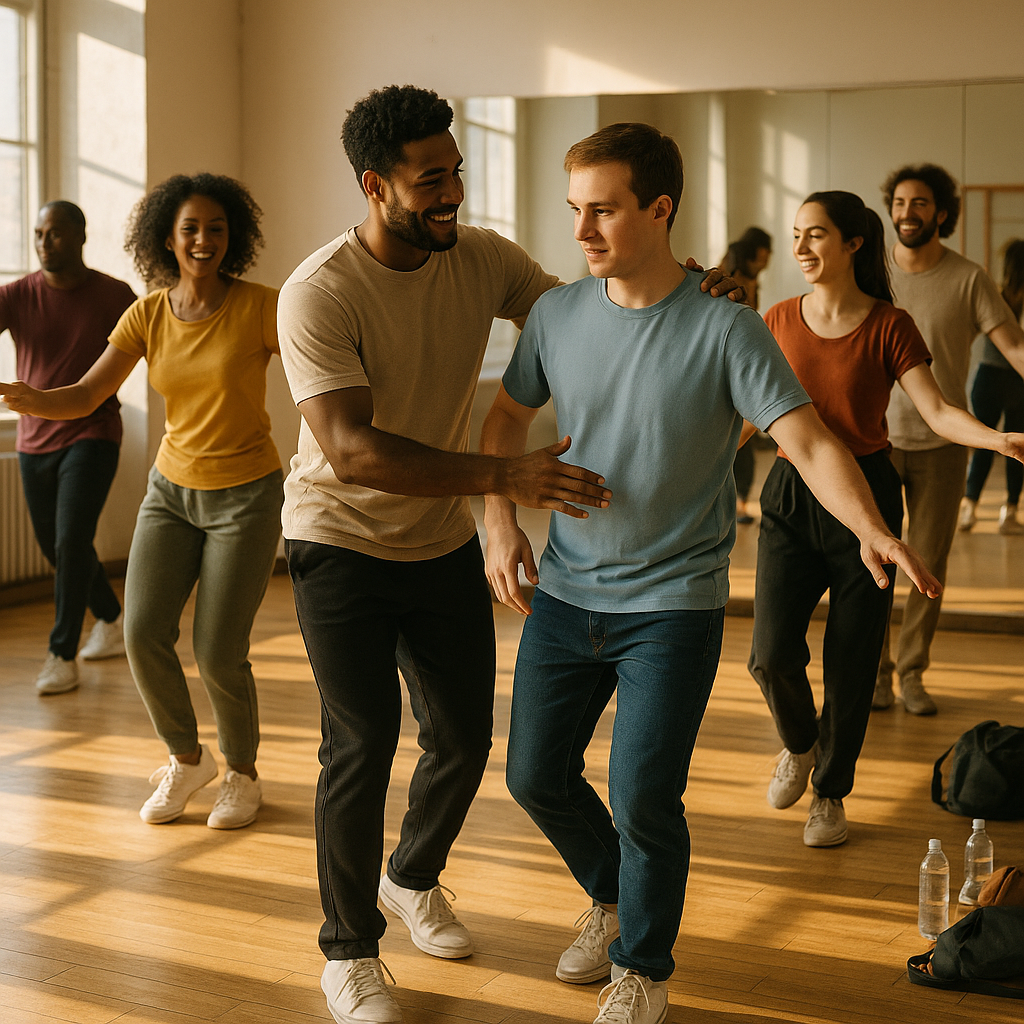
Every human body has the natural ability to move to music. Dancing releases endorphins that boost mood while improving cardiovascular health, balance, and coordination. Whether you feel awkward on the dance floor or simply want to learn new skills, dancing offers something valuable for everyone.
Dancing is a universal art form that transcends language and cultural barriers. Anyone of any age can learn to dance, whether at home, in dance classes, or at social venues. This guide will help you understand the basics of how to dance and discover which style suits you best.
From understanding different dance styles like ballet, hip-hop, and salsa to finding the right dance classes and building confidence through social dancing, we cover everything you need to begin your recreational dance journey. Learning to dance requires no special talent or perfect coordination. It simply requires the willingness to move and enjoy the process of discovery.
What Dance Styles Should You Explore?
Ballroom Dance Styles
Ballroom dancing offers some of the most elegant and timeless dance genres. The waltz serves as the foundation for many dances, featuring graceful movements in 3/4 time that allow couples to glide effortlessly across the floor. Foxtrot combines slow and fast movements, earning its reputation as the “Rolls Royce” of ballroom dances due to its versatility with different musical genres.
Tango brings drama and passion to the dance floor with its characteristic head snaps and intense connection between partners. The quickstep delivers high-energy excitement with its light, airy movements and jazz-influenced rhythms. Viennese waltz takes the traditional waltz to new heights with its rapid spinning sequences and demanding stamina requirements.
Latin Dance Genres
Latin dances pulse with energy and cultural richness. Salsa stands out as one of the most popular social dances, featuring hip-swaying movements and innovative choreography that adapts well to confined spaces. The dance emphasizes rhythmical movement and fancy footwork, making it perfect for social gatherings.
Bachata originated in the Dominican Republic and focuses on sensual movements with distinctive guitar melodies. Merengue offers one of the easiest entry points into Latin dance, with its straightforward rhythm and marching-style hip motion. Cha-cha delivers playful, flirtatious energy through its quick footwork and Cuban motion, while rumba provides the romantic “dance of love” with slower, more sensual movements.
Street Dance and Hip-Hop Styles
Street dance emerged from urban communities and continues to evolve with contemporary culture. Hip-hop dance encompasses various forms including breaking, popping, and locking, all characterized by dynamic movements and individual expression. Breaking incorporates acrobatic elements and intricate footwork that demands athleticism and creativity.
These dance genres emphasize personal style and improvisation, allowing dancers to showcase their unique personality through movement. The street dance community values authenticity and innovation, making these styles particularly appealing to younger dancers seeking creative outlets.
Performance and Contemporary Styles
Ballet remains the foundational dance form that influences many other styles. Its precise movements, strict body alignment, and emphasis on grace provide technical training that benefits dancers across all genres. Contemporary dance emerged as a rebellion against ballet’s rigidity, incorporating elements from various styles while emphasizing fluidity and emotional expression.
Jazz dance combines elements of traditional jazz with theatrical influences, creating dynamic performances often seen in Broadway productions. These performance styles require dedicated training but offer rich artistic expression and technical development opportunities.
| Dance Category | Popular Styles | Key Characteristics | Best For |
| Ballroom | Waltz, Foxtrot, Tango | Elegant, partnered, formal technique | Social events, competitions |
| Latin | Salsa, Bachata, Cha-cha | Energetic, hip movement, cultural | Social dancing, cultural connection |
| Street/Hip-Hop | Breaking, Popping, Locking | Individual expression, urban culture | Personal style, creativity |
| Performance | Ballet, Contemporary, Jazz | Technical precision, artistic expression | Stage performance, artistic development |
Many dance styles share foundational techniques, making it easier to transition between different genres once you establish basic rhythm and body awareness. Starting with beginner classes or online tutorials allows you to explore various styles without significant commitment. Consider your personal preferences, physical abilities, and goals when selecting which dance genres to pursue.
What Are the Health and Social Benefits of Dancing?
Physical Health Benefits Transform Your Body
Dancing delivers exceptional cardiovascular benefits that strengthen the heart and improve overall circulation. A typical dance session burns between 200 to 400 calories per hour while elevating heart rate in natural intervals. This rhythmic movement pattern helps lower blood pressure and reduces the risk of heart disease over time.
The weight-bearing nature of dance significantly improves bone density and helps prevent osteoporosis. Multiple muscle groups engage simultaneously during dance movements, creating functional strength that benefits everyday activities. Regular dancing enhances muscle tone, particularly in the core, legs, and upper body areas.
Flexibility and balance improve naturally through dance’s fluid movement requirements. The varied positions and directional changes strengthen stabilizing muscles often missed by traditional exercise. Coordination develops as dancers learn to synchronize complex movement patterns with musical rhythms.
Mental Health Benefits Boost Brain Power
Dancing triggers powerful stress reduction by lowering cortisol levels throughout the body. The combination of physical movement, music, and creative expression creates a natural mood-lifting experience. Endorphins release during dance sessions, providing the body’s natural “feel-good” chemicals that combat anxiety and depression.
Cognitive function receives significant enhancement through dance’s mental challenges. Learning choreography stimulates memory while complex movement patterns improve spatial awareness and processing speed. Research shows that regular dancing can reduce dementia risk by 76 percent among older adults.
Self-confidence grows as dancers master new skills and witness their own progress. The creative outlet allows emotional expression that words cannot capture, providing therapeutic benefits for mental wellbeing. Many dancers report improved self-esteem that extends beyond the studio into other life areas.
Social Connection Creates Lasting Relationships
Dance classes naturally foster social interaction and community building among participants. The shared experience of learning new skills creates strong bonds between classmates. Partner work and group choreography develop teamwork and communication abilities that benefit relationships.
Social isolation decreases significantly when people engage in regular dance activities. The supportive environment encourages participants to step outside comfort zones while building meaningful friendships. Many dance communities extend beyond the classroom through social events, showcases, and performance opportunities.
Cultural appreciation expands as dancers explore different styles representing various traditions worldwide. This exposure broadens perspectives and creates understanding between diverse communities. Dance becomes a universal language that connects people across age groups and backgrounds.
Holistic Wellness Benefits Support Overall Health
The mindfulness aspect of dancing provides mental clarity and present-moment awareness. Focusing on music, movement, and partner connection creates a meditative state that quiets mental chatter. This mental reset carries positive effects into daily life situations and stress management.
Sleep quality improves as the physical activity and endorphin release help relax both body and mind. Better circulation from dance movements supports overall physical recovery and energy levels. The combination of physical exertion and emotional satisfaction contributes to more restful sleep patterns.
Long-term health benefits accumulate through consistent dance practice across all age groups. Children develop social skills, coordination, and confidence that serve them throughout life. Adults maintain cardiovascular health, cognitive function, and social connections that support healthy aging and independence.