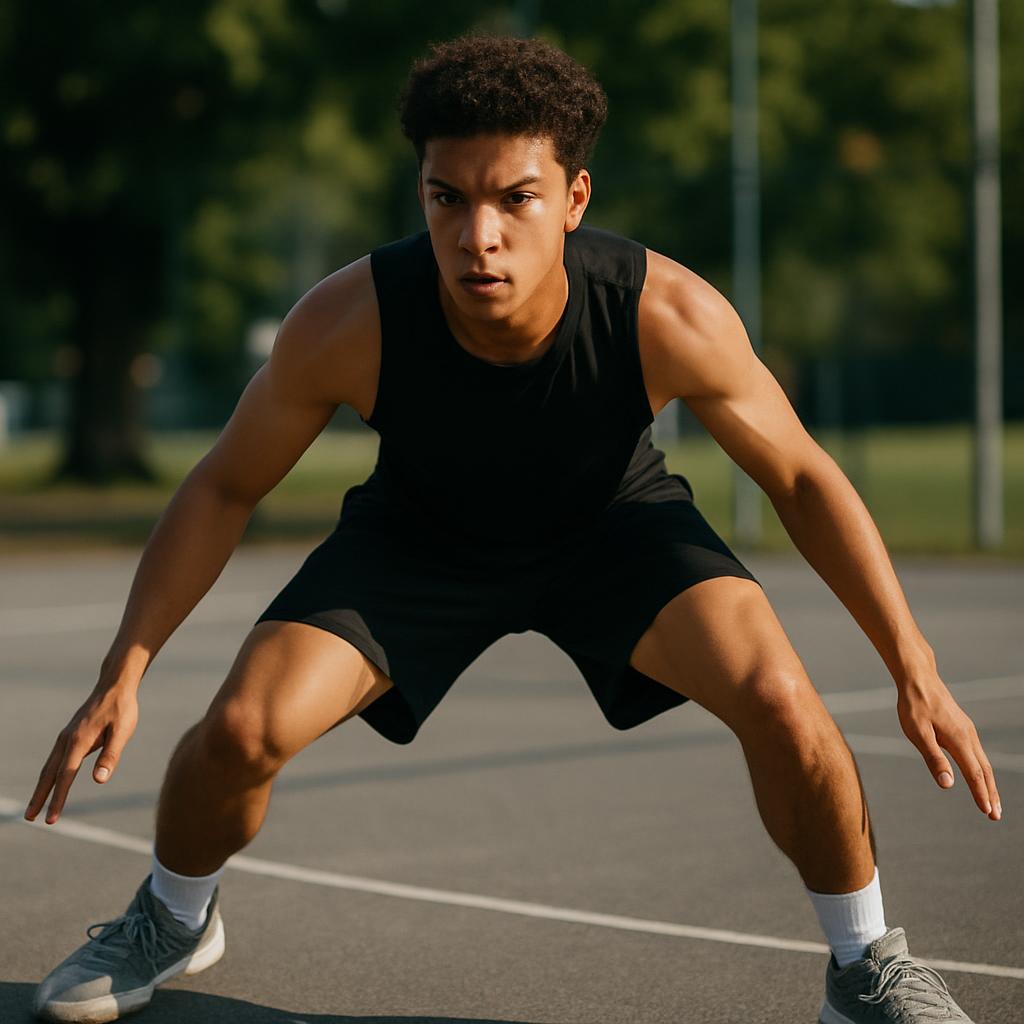
Improving as a basketball player involves more than just playing frequently. It requires a structured approach with focused skill improvement strategies. This guide provides insights into mastering pivotal drills, enhancing defensive tactics, improving footwork, and developing mental resilience. By implementing these strategically curated methods, players can accelerate their progression and achieve tangible improvement in their gameplay.
Consider the journey of a young athlete who incorporated structured drills into their routine and witnessed remarkable growth. By focusing on skill-specific practices, they honed their abilities in shooting, dribbling, and overall game sense, becoming a more confident and effective player on the court.
Whether you’re a novice eager to elevate your game or an experienced player aiming to refine your skills, a dedicated approach to basketball improvement can unlock new levels of performance. By adhering to these proven techniques, your potential to succeed in competitive scenarios and team dynamics greatly increases. Let this guide be your starting point for a transformative basketball journey.
Essential Drills for Swift Basketball Improvement
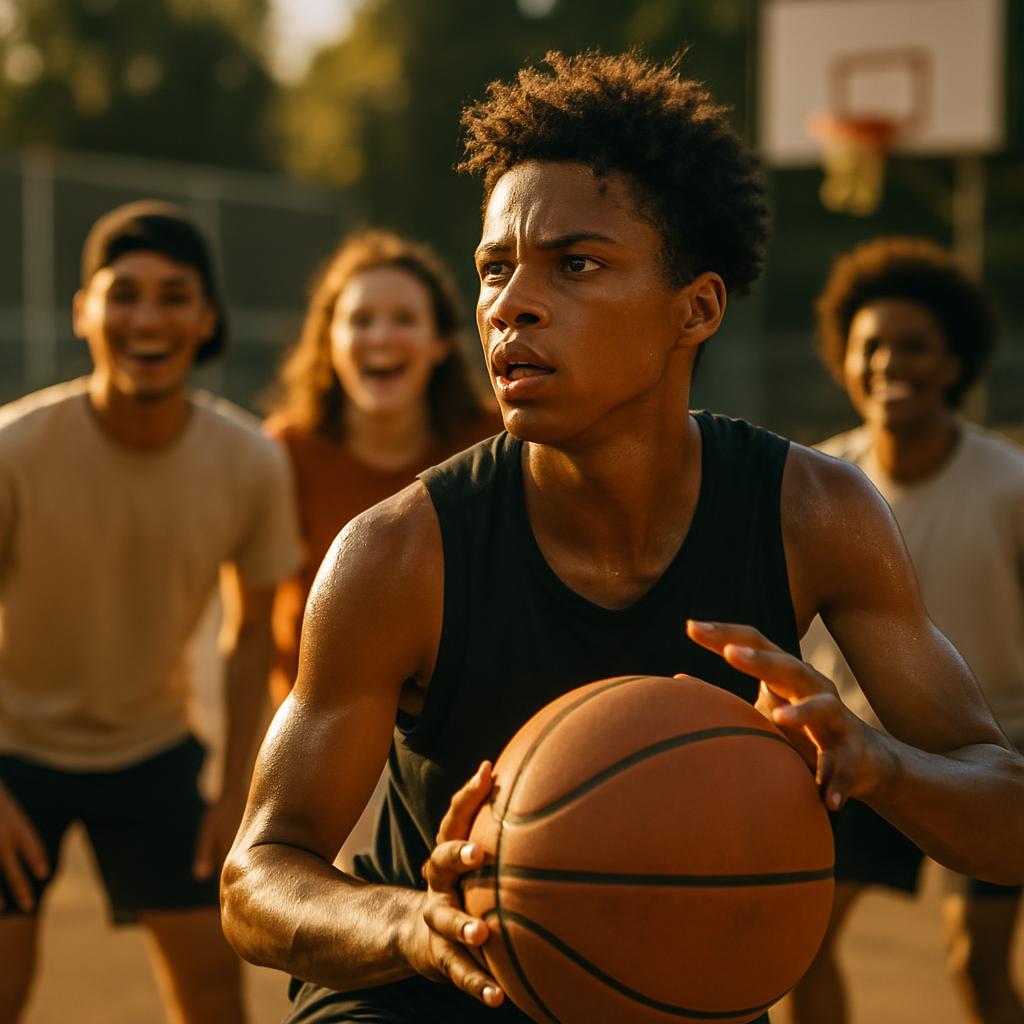
Purposeful, game-like drills are crucial for rapid development in basketball. The right drills not only enhance your technical skills but also your agility and game sense. Here’s how you can integrate effective drills into your training regimen to see swift improvements.
Agility and Footwork Drills
| Drill | Description | Impact |
|---|---|---|
| Zig Zag Cone | Weave through cones placed in a zigzag pattern; focus on quick directional changes and maintaining low posture. | Enhances lateral quickness and ensures swift transitions in defense and offense. |
| Figure 8 | Perform tight dribbles around setups in a figure-eight pattern; keep your head up to simulate game conditions. | Improves ball-handling and dribbling speed under game pressure. |
| Mirror Drill | Work with a partner to mirror their defensive slides and footwork; focus on speed and reaction time. | Develops quick decision-making and reactive agility. |
Dribbling and Shooting Drills
- Dominant and Non-Dominant Hand Dribbling: Practice dribbling with both hands around obstacles to build ambidextrous skill and control.
- Repetitive Shooting: Focus on muscle memory by executing shots from various positions on the court at game speed.
- Progression Shooting: Begin with form shooting from close range and gradually extend to game-like shots beyond the arc.
Progression in these drills should be customized from beginner to advanced levels, with each phase building upon the skills mastered previously. By systematically incorporating these drills into your routine, you will cultivate not only improved skills but also a deeper understanding of game movement and strategy.
Enhancing Defense and Footwork in Basketball
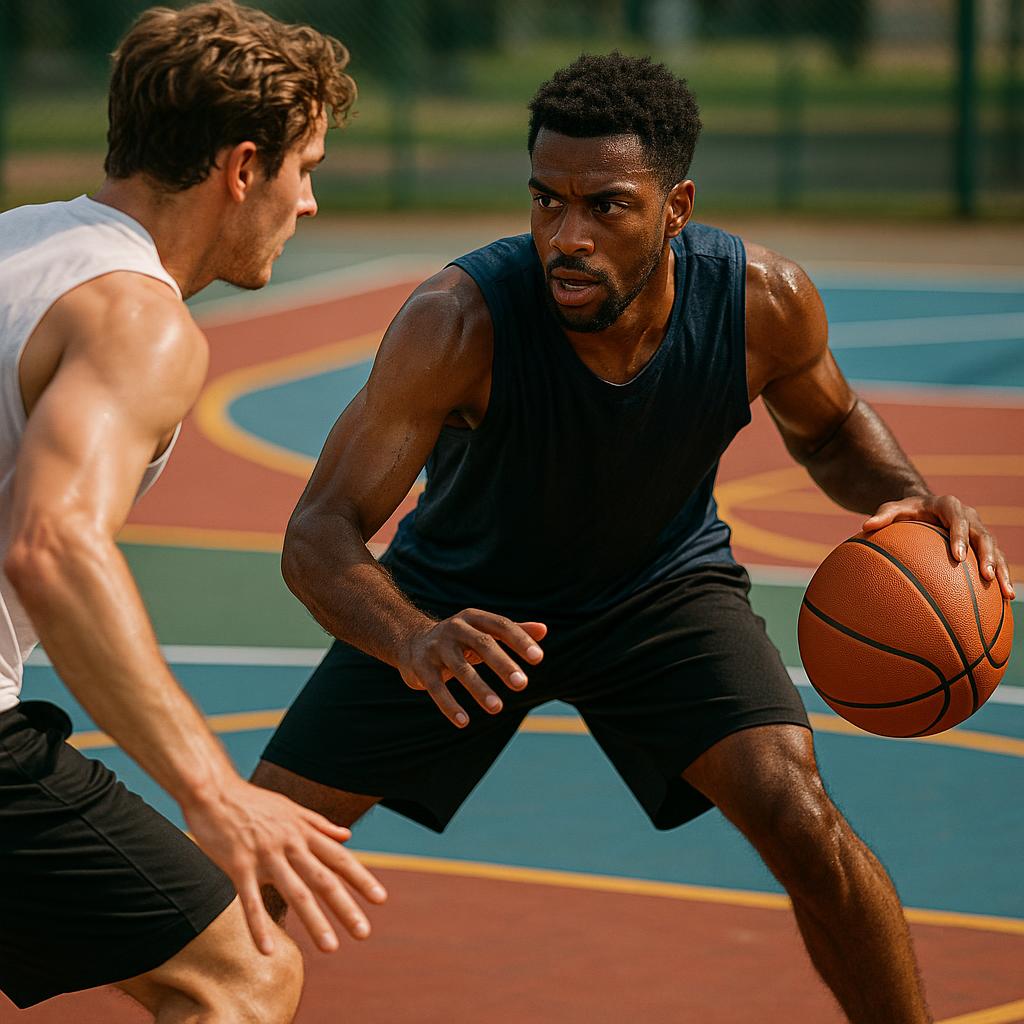
Elite defensive skills paired with strong footwork are essential for becoming a top player. Implementing drills that focus on on-ball defense, effective closeouts, and defensive rotations helps in creating more stops and fast-break opportunities.
Practicing techniques such as jump stops, pivots, and defensive slides with precision ensures both control and efficiency on the court. These foundational skills contribute to a player’s ability to effectively guard opponents and react quickly to changes in play direction.
Moreover, integrating game-situation scrimmages into practice routines solidifies these skills by bridging the gap between drills and real-world applications. By comparing successful versus suboptimal plays during these scrimmages and explaining the purpose of each movement, players gain a deeper understanding of defensive strategy.
Through dedication to mastering these fundamental defensive techniques, players can significantly enhance their overall game performance, positioning themselves as valuable assets to any team.
Strengthening Mental Acumen and Decision-Making in Basketball
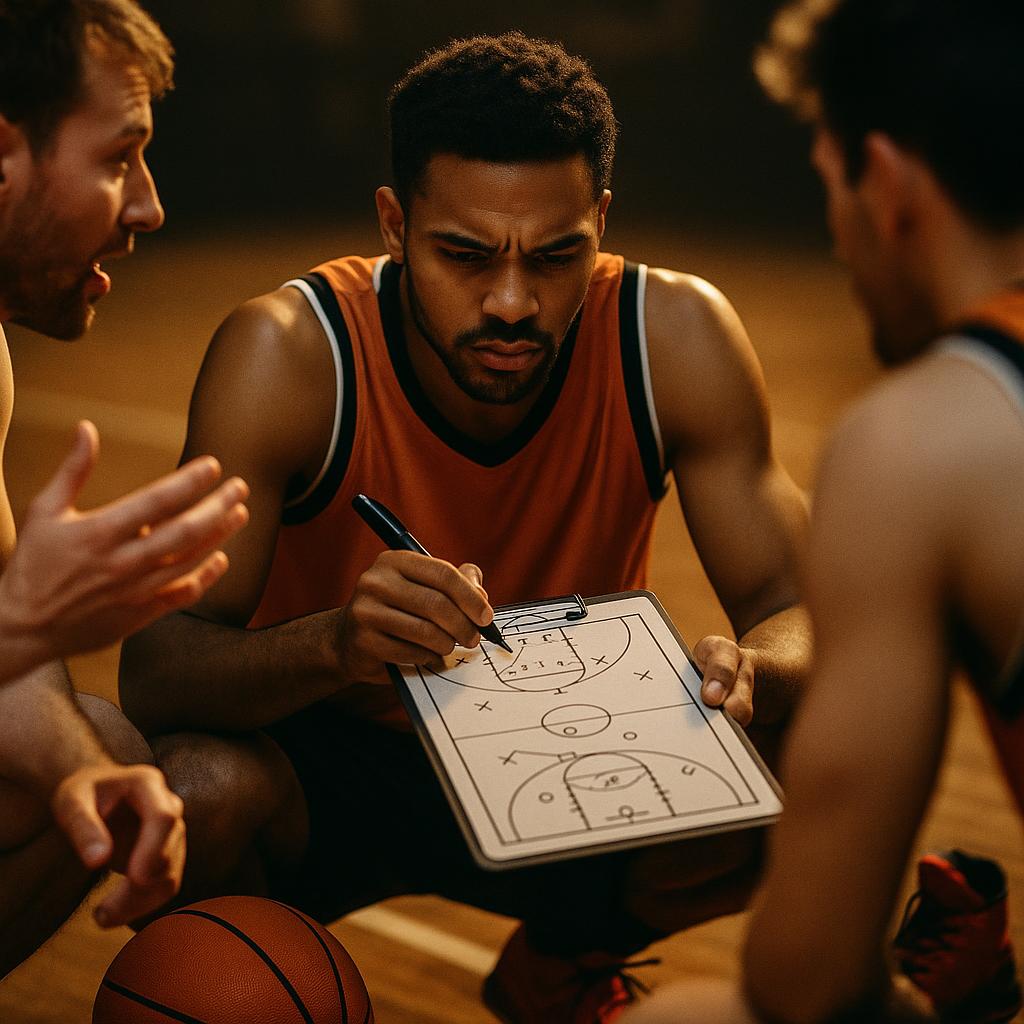
Basketball requires sharp mental acuity as much as physical prowess. Developing a strong basketball IQ involves understanding game strategies, setting player roles, and enhancing situational awareness. Incorporating mental challenge drills like one-on-one scrimmages against superior opponents simulates real game pressure conditions, fostering mental toughness. This fortifies decision-making skills under stress, preparing players to make quick, effective choices in competitive environments.
Mental toughness is cultivated through various strategies, such as visualization and breathing exercises. These techniques aid players in staying focused during high-pressure moments. For instance, a player might visualize a successful free throw, engaging all senses to enhance the experience and neural connections. Additionally, maintaining a consistent pre-game routine helps players center their focus and boosts performance.
Chris Oliver’s Basketball Decision Training (BDT) emphasizes mind training through random practice, which forces players to think and adapt quickly during each unique repetition. Such drills challenge players to respond to diverse scenarios, enhancing their ability to make intelligent decisions on the court.
Players benefit from balanced mental recovery as much as physical training, incorporating practices like mindfulness and gratitude exercises to avoid burnout. This holistic approach ensures players remain mentally resilient and ready to face competitive challenges.
Optimizing Nutrition and Recovery for Basketball Performance
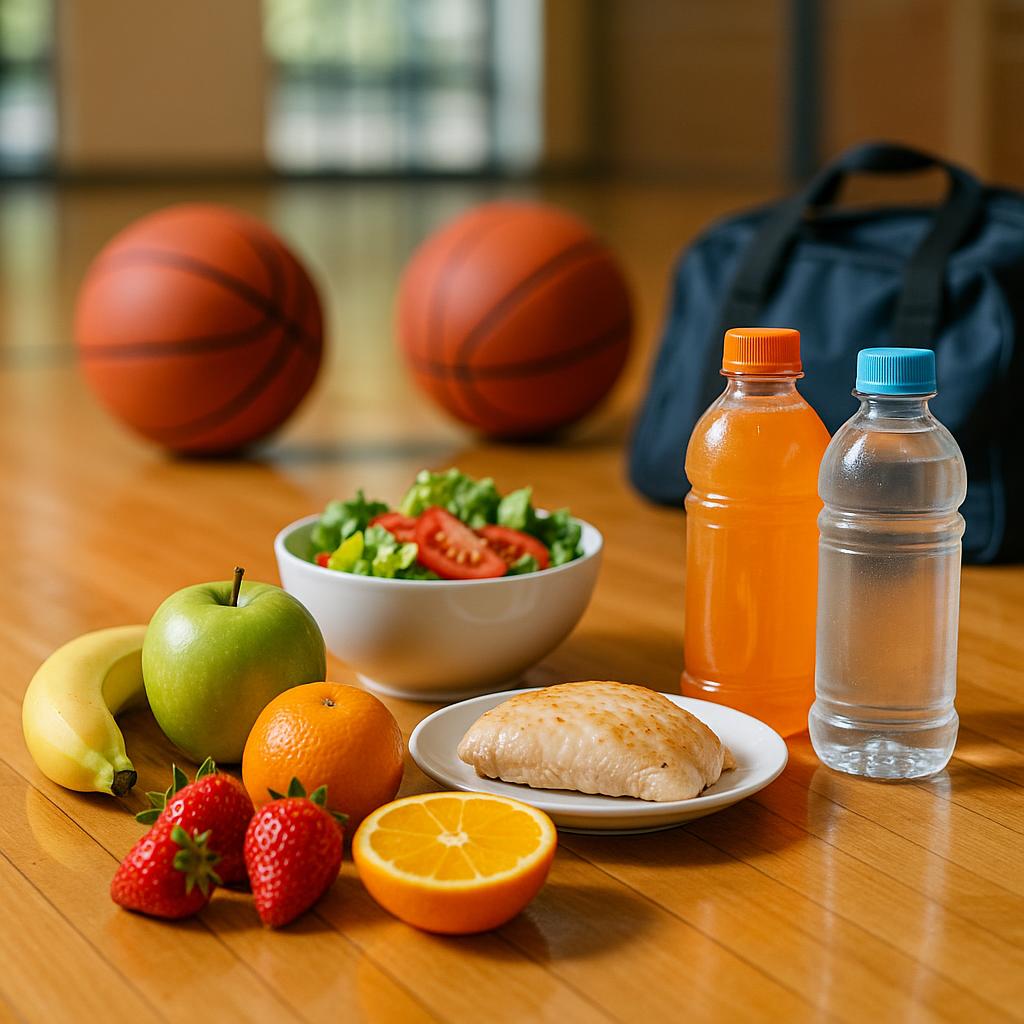
Achieving peak physical performance in basketball necessitates a comprehensive approach that intertwines effective nutrition, diligent recovery practices, and tactical off-season training. The P.C.C. (Protein, Carbohydrates, and Hydration) nutrition framework serves as a foundational guide for maintaining optimal performance levels.
| Time | Meal | Components |
|---|---|---|
| Breakfast | Oatmeal with Berries | Complex Carbohydrates, Fiber, Antioxidants |
| Lunch | Grilled Chicken Salad with Quinoa | Lean Protein, Vitamins, Complex Carbs |
| Snack | Almonds and Yogurt | Healthy Fats, Quick-Digesting Protein |
| Dinner | Fish with Sweet Potatoes and Spinach | Lean Protein, Complex Carbs, Leafy Greens |
Hydration remains a crucial aspect of the P.C.C. framework, reducing fatigue and ensuring cognitive performance and muscle function. Athletes should aim for consistent fluid intake, adapting to match their physical activity levels and environmental conditions.
Critical to recovery is sleep optimization, often heralded as the foremost strategy for effective recuperation. Studies indicate that enhanced sleep quality directly correlates with improved athletic performance, including sprinting, jumping, and overall skills. At least 8 hours of uninterrupted sleep, coupled with regular sleep patterns, provides substantial benefits in both physical and cognitive areas.
In addition to primary recovery practices like nutrition, hydration, and sleep, incorporating recovery modalities such as hydrotherapy and massage can significantly enhance recovery rates. These methods aid in reducing muscle soreness and improving circulation, essential in preparing players for upcoming competitive demands.
Finally, the off-season presents an opportunity to focus on strength development and injury prevention. As the physical and competitive demands decrease, athletes can leverage this time to identify and address weaknesses, build foundational strength, and adopt recovery habits that prolong peak athletic condition and extend their playing careers.
By integrating these strategies, basketball players can enhance their game performance, ensuring they remain at the forefront of their physical abilities while safeguarding their health for future seasons.
Conclusion: Your Path to Basketball Excellence
The pathway to basketball mastery involves consistent practice, mental and physical preparation, and a commitment to holistic improvement. Embrace drills that simulate game scenarios, prioritize defensive and footwork mastery, and sharpen mental focus. Align these practices with proper nutrition and recovery habits to ensure sustained development. Remember, consistent effort and a growth mindset transform potential into performance. Use this roadmap to elevate your game and achieve excellence on the court, one practice at a time.