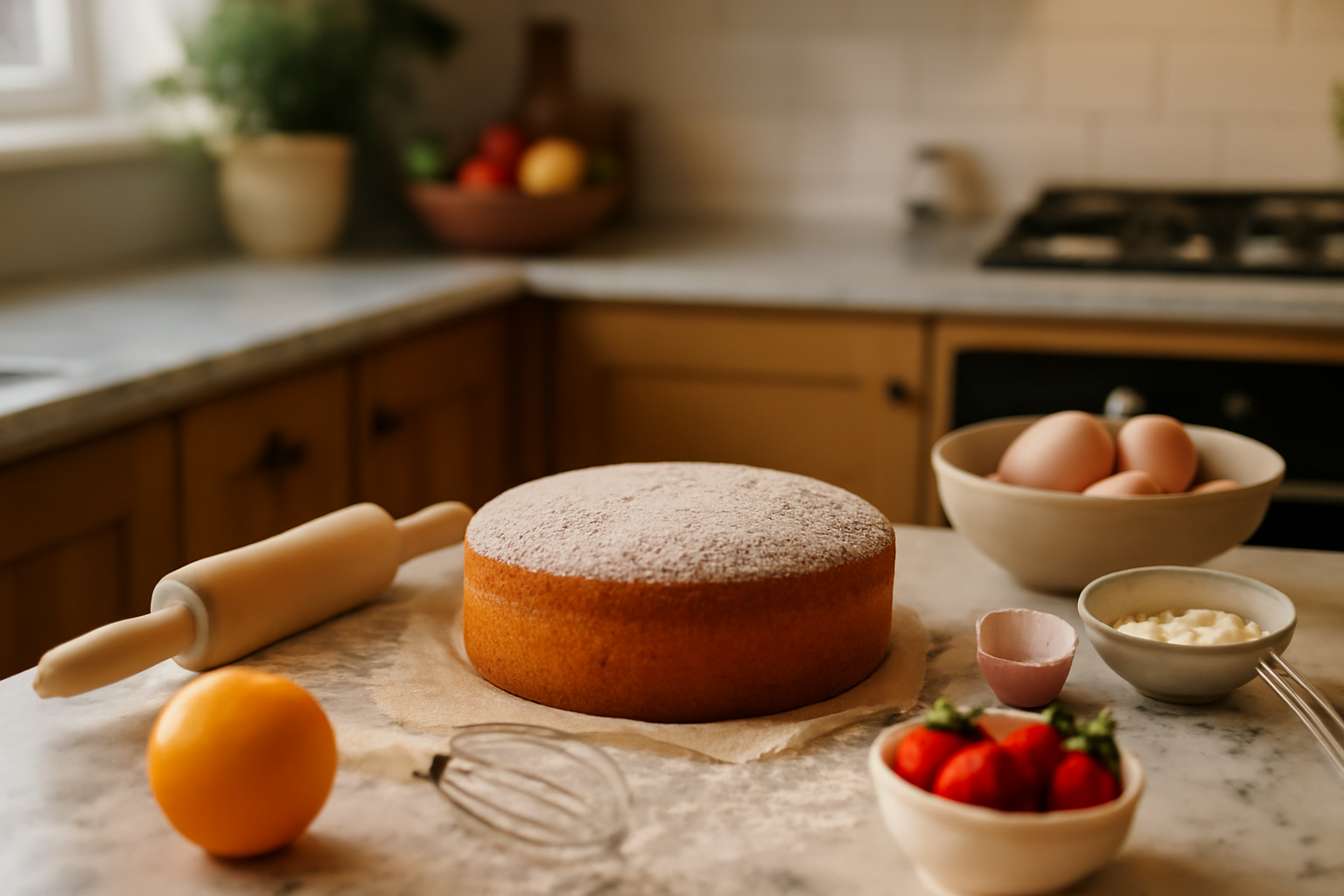
Baking a cake from scratch is more than just following a recipe—it’s an exploration of art, science, and patience. Whether this is your first cake or you’re perfecting your technique, understanding the crucial steps can transform your baking from mundane to magical. This guide reveals essential elements, like ingredient quality, proper mixing, and the chemistry behind leavening, to help you avoid common pitfalls. From meticulously preparing your pans to the final delicate icing touches, every step builds towards a masterpiece. Could you imagine a cake that rises flawlessly and melts in your mouth? With this guide, you’ll gain the skills and confidence to create show-stopping cakes that are as delightful to admire as they are to taste.
Ingredient Quality: The Foundation of Perfect Baking
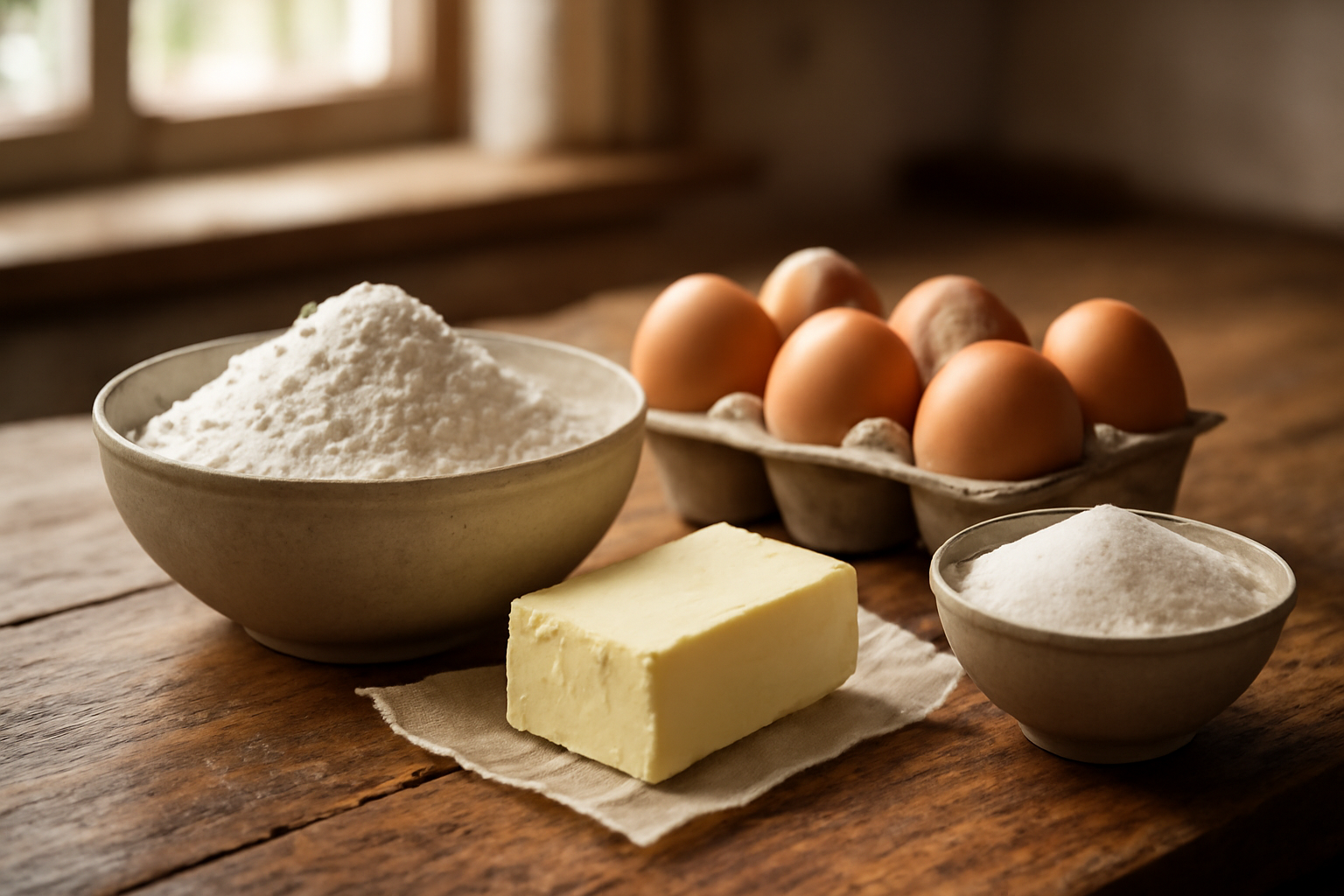
High-quality ingredients set the stage for a superior cake. Consider flour: a low-protein cake flour yields a lighter texture, while regular flour might create a denser result. Eggs and their freshness greatly influence the cake’s richness and structure.
Likewise, butter must be at room temperature to optimally cream and incorporate air. Sugar, beyond sweetness, plays a key role in texture. Even the type of milk or alternative used can subtly alter the final outcome.
Quality ingredients enhance more than just flavor; they’re critical to the cake’s chemistry, affecting rise, texture, and overall success.
[[artifact_table]] Comparison of Cake Ingredient Qualities [[/artifact_table]]
Utilizing high-quality ingredients not only results in better flavor but also ensures the scientific process of baking functions correctly, leading to consistently successful cakes.
Essential Preparation: Preheating Your Oven and Preparing Cake Pans Properly
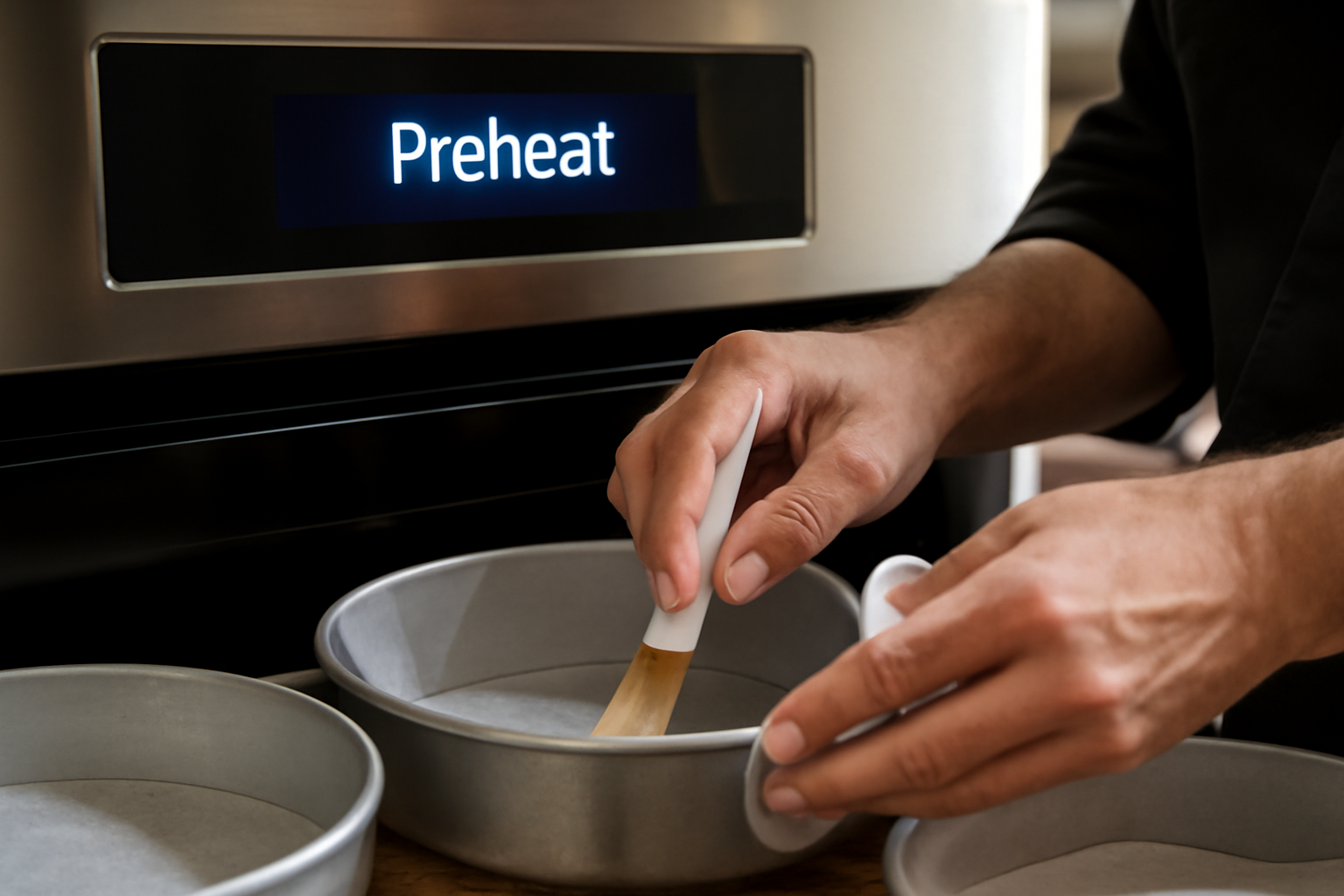
Starting right is key to cake success. Preheat your oven to ensure the temperature is stable when the batter goes in. Lack of preheating could cause uneven baking and dense results. For pan prep, parchment paper offers a foolproof way to prevent sticking. Cut it to fit the bottom of the pan exactly, then grease both the pan and the paper. This dual approach guarantees an easy release. Remember, a well-prepared pan can be the difference between a cake that slides right out and one that breaks.
The Art of Pan Preparation
Creating a non-stick environment is essential for perfect cake release. Begin by cutting parchment paper to fit the bottom of your cake pan. This forms a layer that prevents the batter from adhering to the pan. After positioning the parchment, grease both the pan and the paper using butter or a non-stick spray. This combination of parchment lining and grease ensures your cake releases effortlessly.
For added security, particularly with more intricate pan designs, consider using a flour dusting after greasing. This adds another barrier between the cake and the pan surface. Make sure to tap out any excess flour to avoid a cumbersome finish on your cake.
Why Preheating Matters
No matter how good your pan preparation is, failing to preheat the oven can sabotage your efforts. Preheating ensures that your cake begins cooking at the correct temperature, providing an even rise and proper crumb structure. An oven below the target temperature as your cake goes in risks prolonged baking times and uneven textures.
Modern ovens boast preheating alerts, but a reliable household thermometer can be an invaluable tool to confirm temperature accuracy. This additional step guarantees that you’re giving your cake the best chance for success.
[[artifact_table]] Tips for Effective Cake Pan and Oven Preparation [[/artifact_table]]
Mixing Techniques: Proper Ingredient Measurement and Batter Preparation
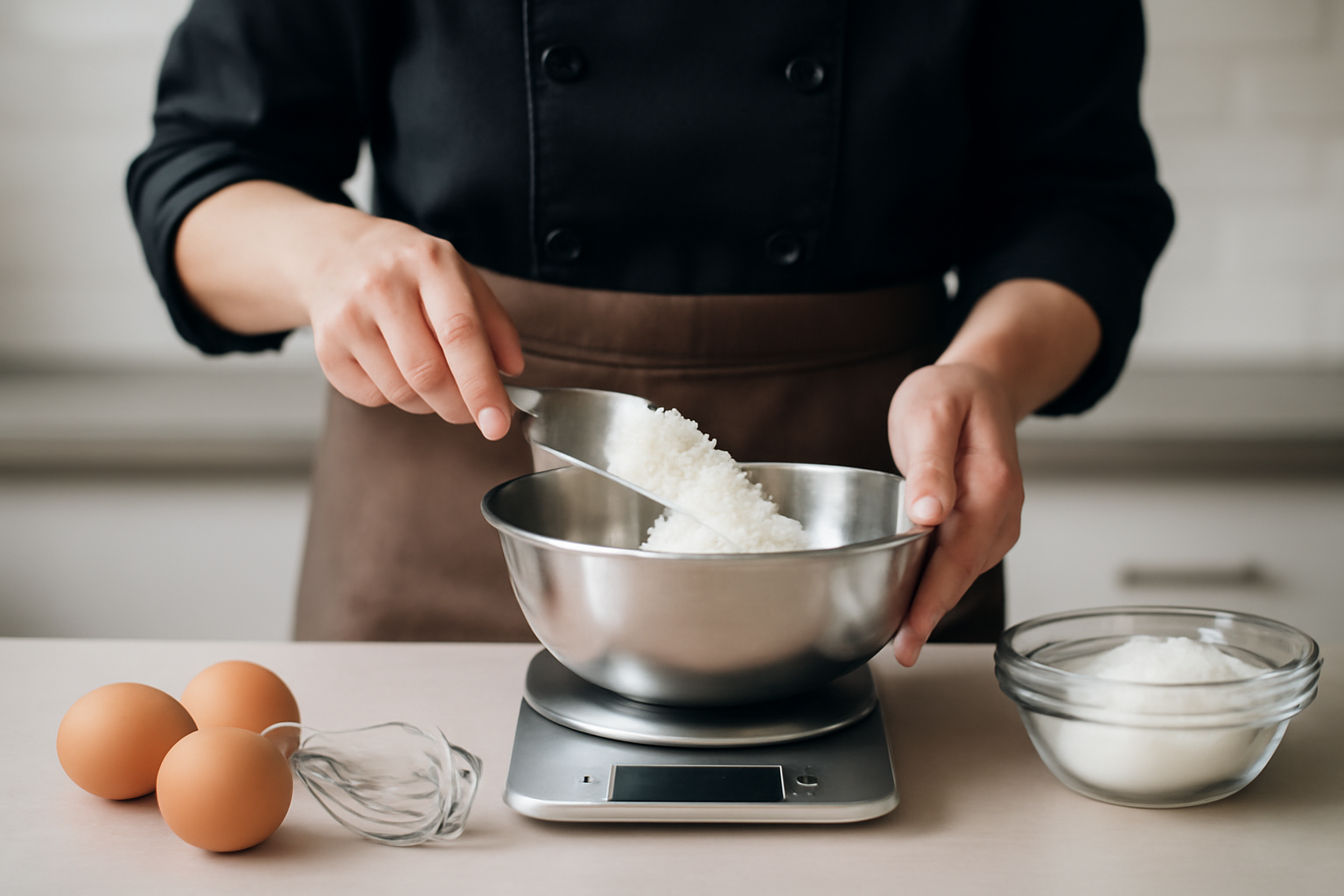
Achieving the perfect cake batter begins with precision in measurement and technique. Using the “spoon and level” method for flour is crucial to avoid dense cakes often caused by packing too much into the measuring cup. This technique ensures accuracy and consistency in your baked goods.
Room-temperature butter is fundamental, especially in the creaming process, which is vital for incorporating air into the batter. This process should be done for about 4-5 minutes until the mixture becomes pale and fluffy, setting the foundation for a light and tender cake.
Ingredients should be combined in stages, starting and ending with dry components. This prevents overmixing, which can toughen the cake’s crumb by promoting excessive gluten development. Gentle folding with a large spoon is preferred to aggressive mixing to preserve the cake’s tender texture.
These careful methods culminate in a batter that is smooth, thick, and spoonable, ready to transform beautifully in the oven. Avoiding common mistakes and understanding the reasoning behind these techniques enhances your baking success, ensuring delightful end results.
Filling the Pans: Even Distribution for Uniform Cakes
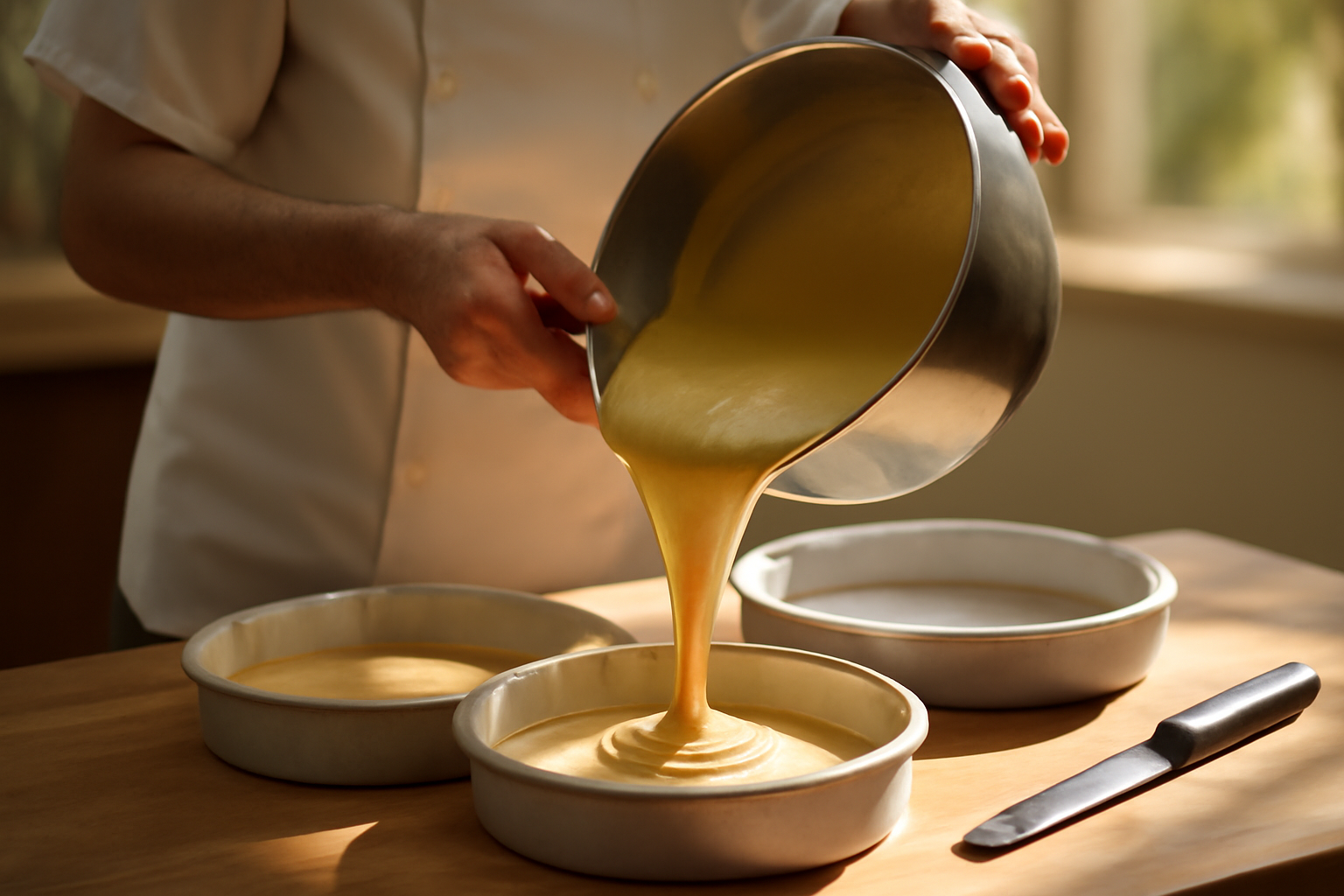
Distributing batter evenly between pans is crucial for uniform cakes. Use a measuring cup or scale for precision. Once the pans are filled, smooth the top with a spatula to achieve a level surface. Gently tap the pans on the counter to remove air bubbles. This step ensures even baking and minimizes the chance of doming. Consistency across layers not only improves the cake’s appearance but also aids in even baking and stacking.
Encouraging a precise measurement with a scale can significantly enhance the result, offering precision that’s difficult to match by eye. Tapping the pans not only helps remove air pockets but also provides a satisfying way to prepare the cake for the oven. Next time you bake, remember to take a moment for this simple yet effective technique, enhancing your cake with a professional touch.
Baking Process: Oven Placement, Temperature Control, and Testing for Doneness
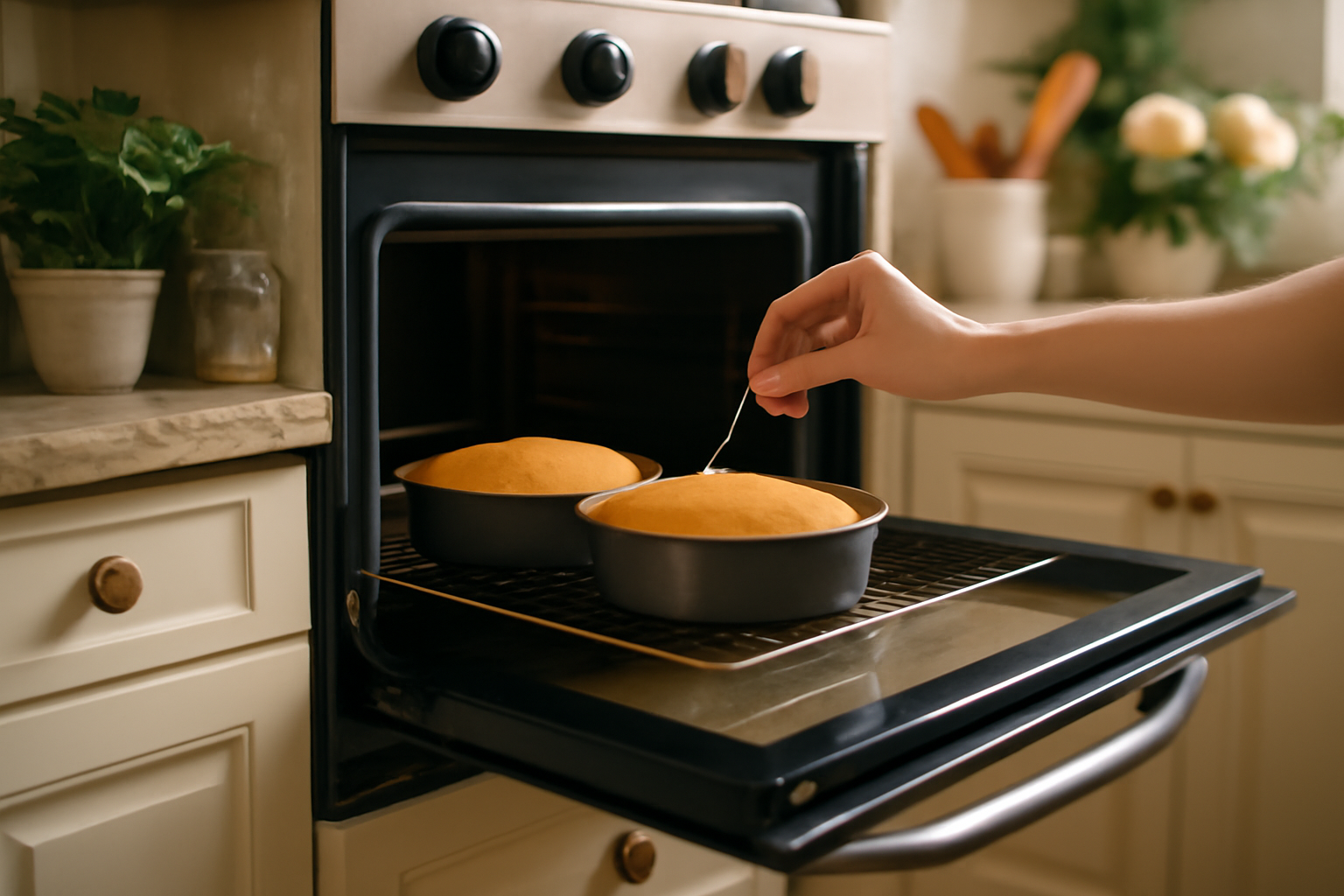
Proper baking is a meticulous balance of science and patience. The placement of your cake in the oven should be on the middle rack to ensure even heat distribution, preventing uneven baking. It’s crucial not to open the oven too early during the baking process, as a sudden loss of heat can flatten your cake and affect its rise. Consider your timer as a guide, but always trust the baking process itself.
To test for doneness, use a toothpick, but only towards the end of the baking time. Insert it into the center of the cake. If it comes out mostly clean, perhaps with a few moist crumbs, it indicates that your cake is perfectly baked. This subtle balance of moisture and structure is key to achieving a tender crumb.
Another often overlooked aspect is the regular refreshing of your baking soda and powder. These leavening agents lose their potency over time, which can affect the texture and rise of your cake. Therefore, maintaining their freshness is crucial for optimal results.
Remember, baking isn’t just about following steps but understanding the intricate dance of ingredients, temperatures, and timing. Each component harmonizes to create the delightful experience of savoring a perfectly baked cake.
Cooling and Finishing: Proper Cooling Techniques Before Icing
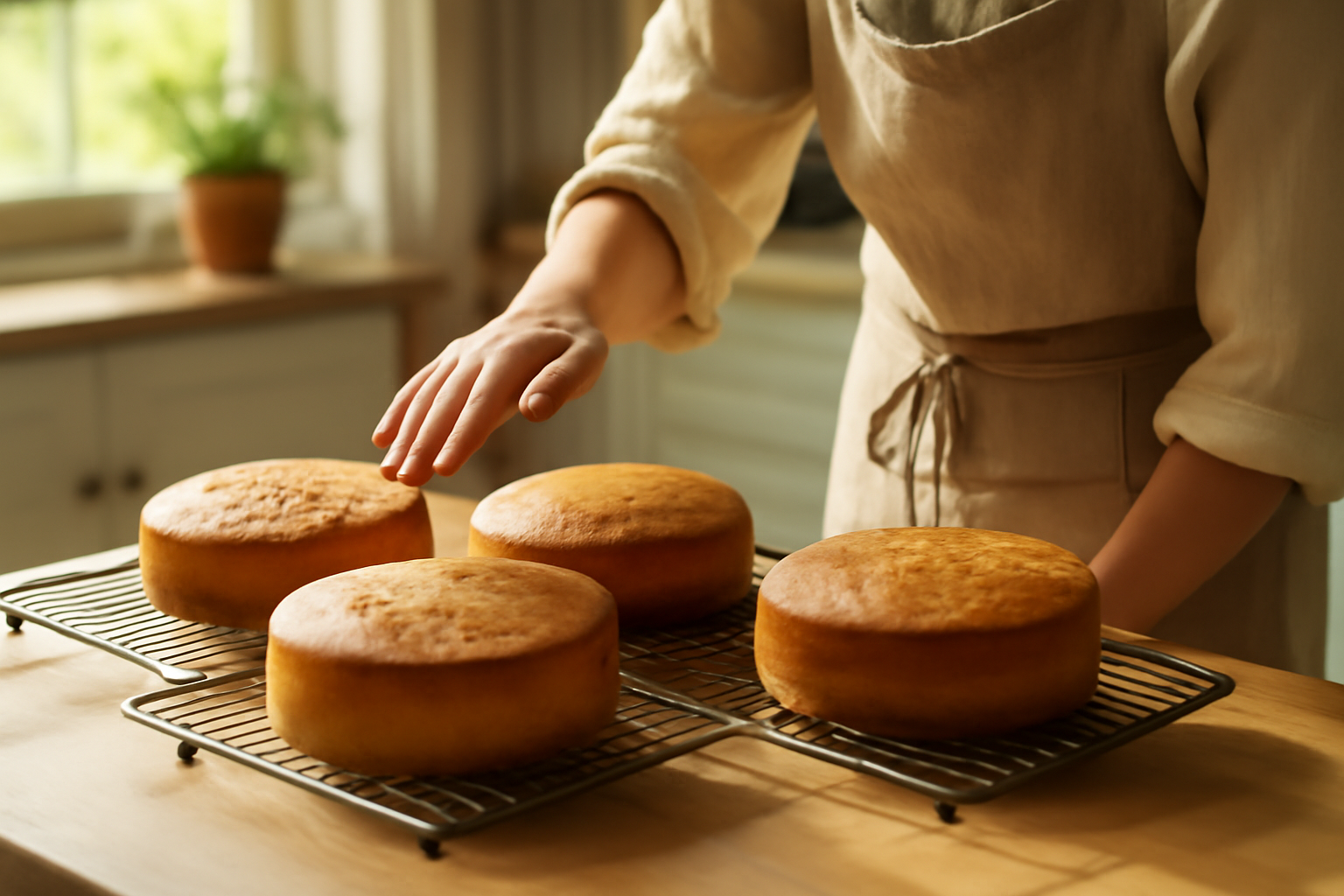
Proper cooling is essential in setting your cake’s structure and preventing any sogginess before adding icing. Initially, allow the cake to rest in the pan for a few minutes before transferring it to a wire rack, which promotes air circulation. This step is crucial for achieving an even cooling process.
Cake layers generally require about 15 minutes of cooling time on the rack, while bundt cakes might need closer to 20 minutes. Ensure that your cakes are at room temperature before applying any icing. This precaution helps avoid runny frosting, which can disrupt both texture and appearance.
Inverting cakes onto wire racks once out of the pan helps create a smooth, even surface for decorating. By adhering to proper cooling protocols, you can significantly enhance your cake’s presentation. Rushing this step can compromise both the textural integrity and the aesthetic appeal of your cake.
[[artifact_table]] Cooling Times for Different Cake Types [[/artifact_table]]
Beginners often make the mistake of not allowing enough cooling time, leading to poorly set cakes and unsatisfactory icing results. Patience and attention to these cooling details usually pay off, resulting in a beautifully decorated cake.
Final Touches: Enhancing Flavor with Strategic Icing and Decorations
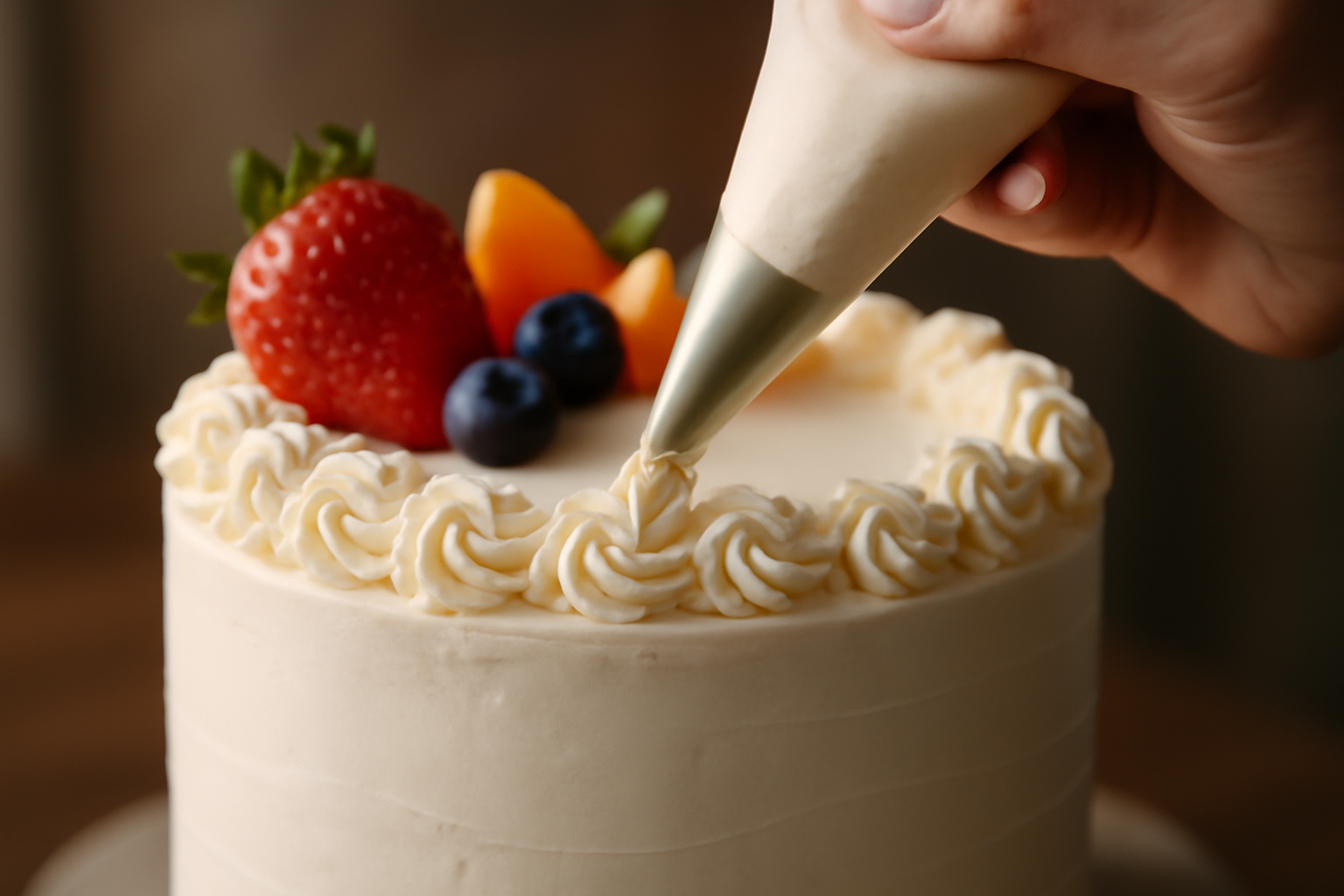
The crowning glory of any cake is its decoration. Once cooled, begin by applying a crumb coat—a thin layer of frosting designed to seal in crumbs and create a smooth base for further decoration. It’s a simple step that can dramatically improve the cake’s finish, effortlessly hiding imperfections and setting the stage for the final decorative layer.
Refrigerate the cake to allow the crumb coat to set properly. This helps to stabilize the cake and provides a firm foundation on which to apply your subsequent layers of icing. Choose a type of icing that complements both the cake’s flavor profile and the occasion it’s celebrating. Whether you prefer a rustic or polished finish, using the right tools can make a dramatic difference. Consider employing icing smoothers, piping bags, and spatulas to achieve precision in your design.
To add an elegant touch, you might include edible flowers or candied fruits. These elements not only elevate the cake’s appearance but also introduce unexpected flavors and textures. Treat your cake as a canvas, allowing your personal creativity to shine. By thoughtfully combining flavors with decoration, you can enhance the overall gastronomic experience, making the cake both a visual and tasty delight.
Conclusion: Your Path to Consistent Cake Baking Success
Cake Baking Must-Know Basics
Preheat Your Oven (Yes, Every Time)
Never put a cake in a cold or partially preheated oven. It affects the rise and structure of your cake. Timely preheating ensures that your cake bakes evenly and achieves the right texture.
Don’t Overmix
Once you add flour, mix until just combined. Overmixing develops gluten, which can make your cake tough. Remember, a gentle hand is key to maintaining a tender crumb.
Test for Doneness
Start testing your cake 5 minutes before the recipe says it’s done. Use a toothpick or skewer—it should come out clean or with a few moist crumbs (not wet batter). This helps prevent overbaking and ensures a moist cake.
Cool Before Frosting
Let your cakes cool completely before frosting. Warm cakes will melt buttercream and cause layers to slide. Cooling secures stability for a flawless finish.
Pro Tips from a Cake Enthusiast
Problem 1: My Cake Sank in the Middle
Causes: Underbaking, overmixing, or opening the oven door too soon. Fixes: Make sure the oven is fully preheated, don’t overbeat the batter (especially after adding flour), and avoid opening the door during the first 20 minutes.
Problem 2: My Cake is Too Brown on Top but Not Cooked Inside
Causes: Oven is too hot or cake is too high in the oven. Fixes: Use an oven thermometer (many ovens run hot!), bake on the middle rack, and consider tenting the top with foil if it’s browning too quickly.
Problem 3: My Cake is Dry
Ensure precise measurements and avoid overbaking. Use high-quality ingredients for a moist, flavorful cake.
Best Tools for Cake Success
- Kitchen scale
- Stand mixer or hand mixer
- 8″ or 9″ round cake pans (light aluminum preferred)
- Offset spatula
- Parchment paper
- Oven thermometer
- Serrated knife or cake leveler
Conclusion: Your Path to Consistent Cake Baking Success
Understanding baking essentials transforms challenges into triumphs, as each deliberate step defines the exquisite taste and look of your cake. Mastering fundamentals like preheating, precise measuring, and controlled mixing builds confidence. And with every bake, you’ll enhance your skill, proving that practice, patience, and passion yield perfection. Celebrate each creation, no matter how small, and let every slice be a reminder that you’ve mastered the harmonious blend of art and science.
For more baking tips and to share your cake stories, contact us at bakeryexample.com/contact or call us at (123) 456-7890.