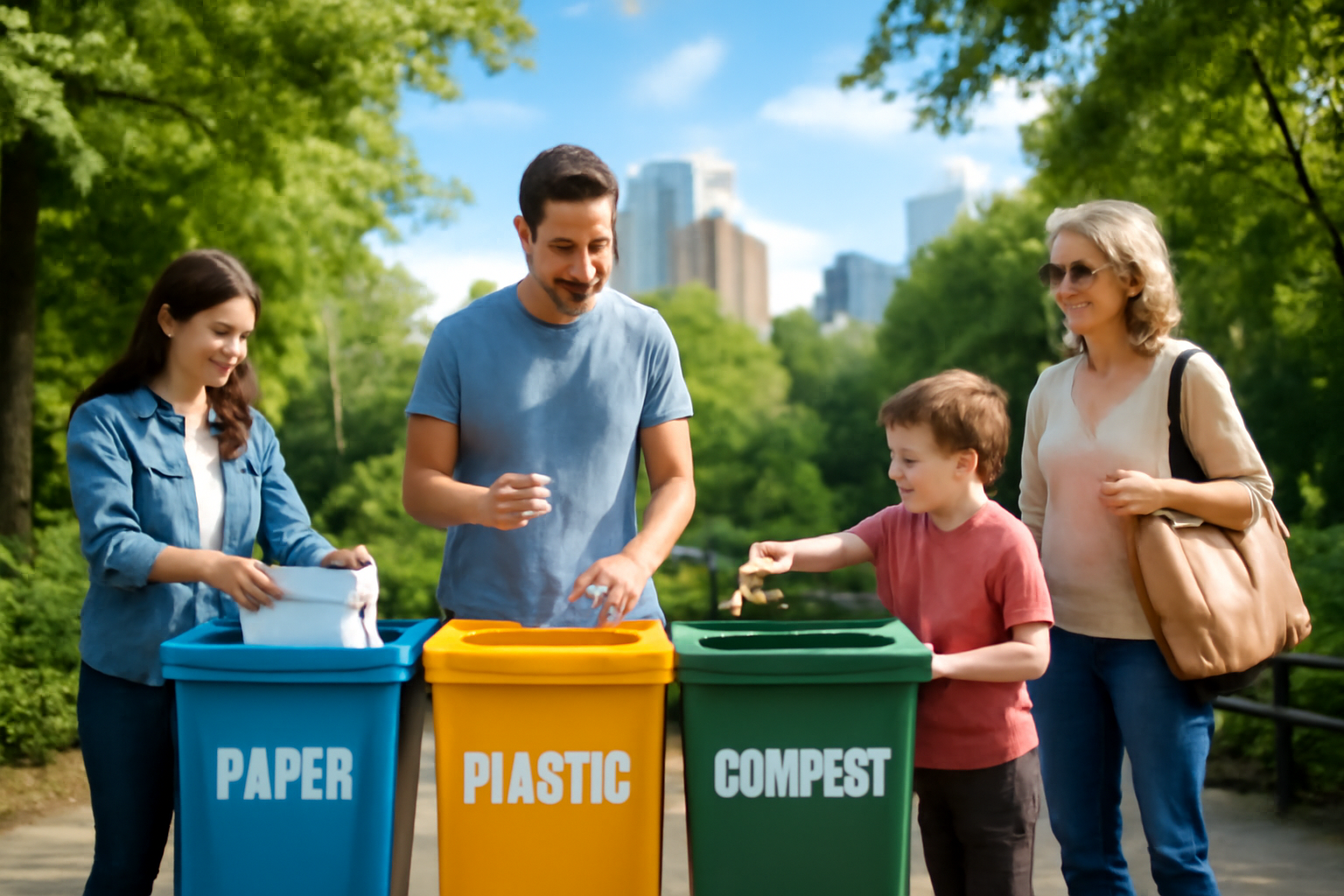
Recycling is a cornerstone of environmental sustainability, yet many individuals and organizations struggle with proper recycling practices. Understanding the best recycling tips can transform how we manage waste, reduce landfill contamination, and contribute to a circular economy. This comprehensive guide provides expert-backed recycling strategies that are simple to implement at home, in schools, and in corporate settings. By mastering the fundamentals of effective recycling—rinsing, drying, flattening, and separating materials—you can make a measurable difference in environmental conservation while aligning with modern sustainability goals. Beyond recycling, incorporating waste reduction and composting significantly enhances sustainable waste management practices.
Understanding Local Recycling Guidelines
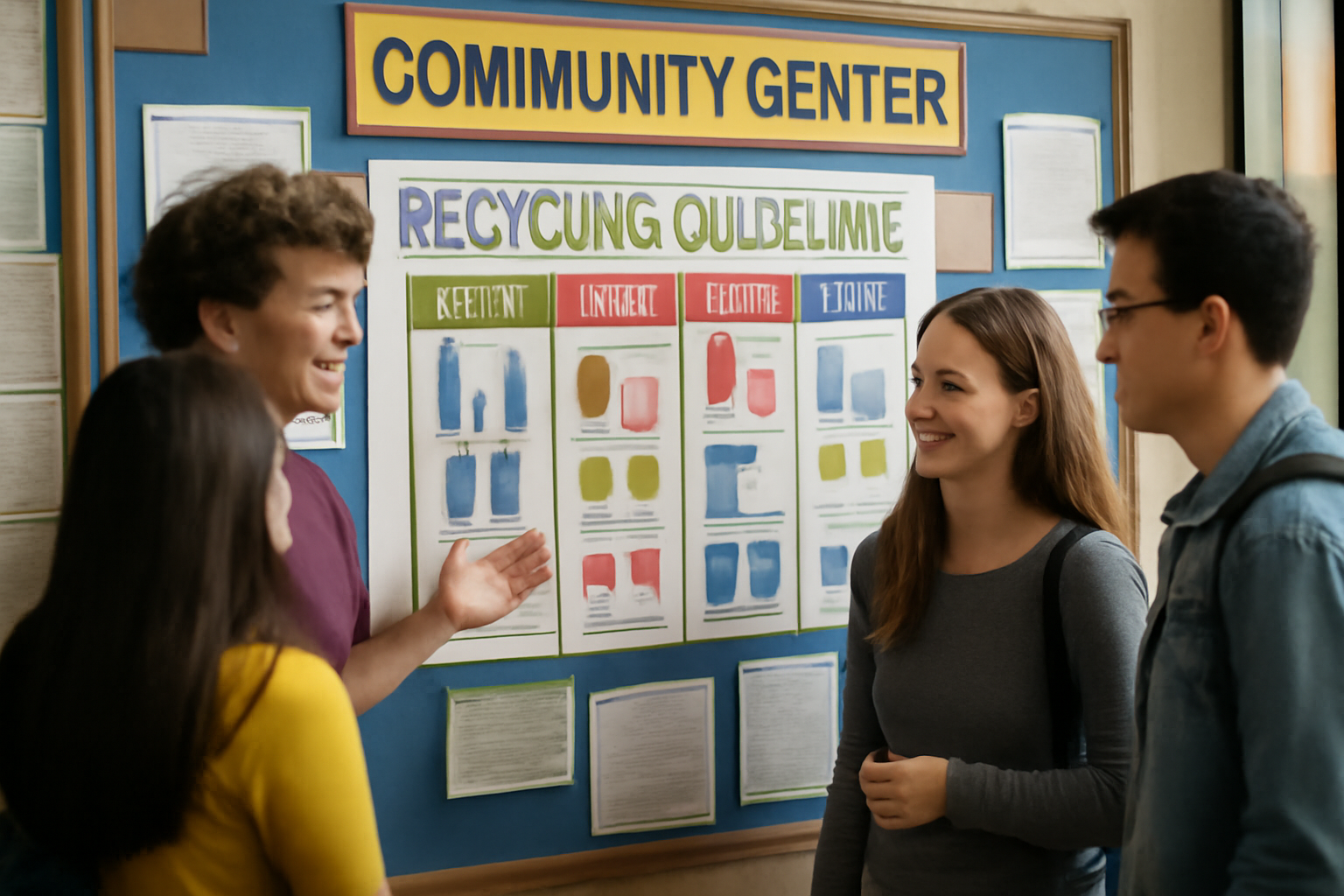
Recycling starts with understanding your local guidelines, as each municipality has different rules for what can be recycled. Referencing your city’s official recycling website or contacting your local waste management provider can clarify specific requirements. Many communities also offer mobile apps that provide real-time updates on acceptable materials.
Proper sorting is essential to successful recycling. Implement a clearly labeled system in your home with separate containers for different materials. Placing recycling bins in convenient locations throughout your household helps make recycling more accessible. For businesses, similar setups in office spaces can enhance compliance and efficiency.
Optimizing Recycling Programs
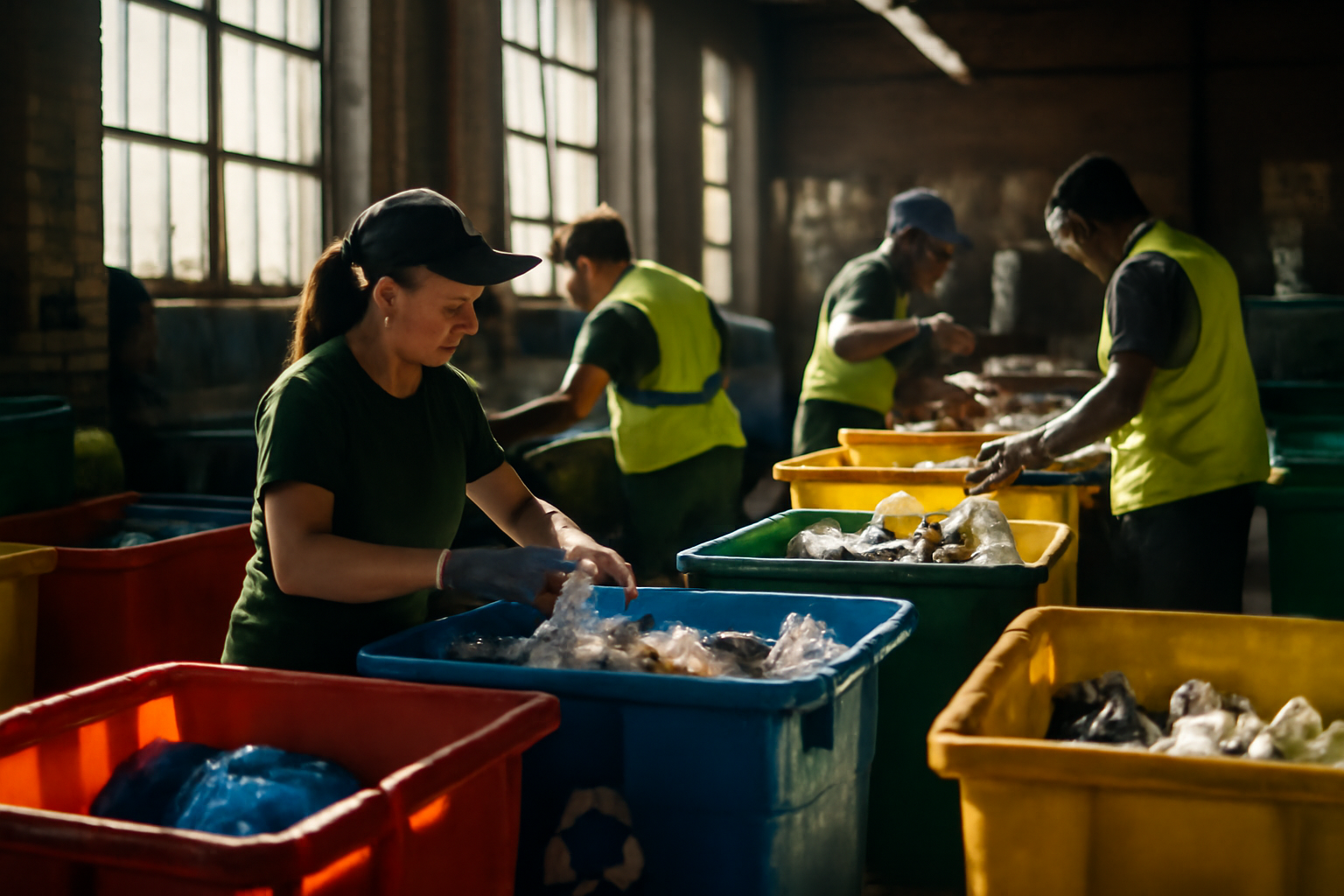
For both residential and business environments, optimizing recycling programs is crucial for maximizing waste reduction. Establishing clearly labeled recycling stations for paper, plastics, metals, and more can enhance participation and reduce contamination. Regularly reviewing and updating these programs as required can further enhance their effectiveness and efficiency.
[[artifact_table]] Example of an Optimal Recycling Station Layout [[/artifact_table]]
In addition to physical setup, conducting regular waste audits can help identify areas for improvement and ensure the recycling process remains effective and sustainable.
Reducing Packaging Waste

Reducing packaging waste is an impactful strategy for minimizing environmental impact. Consider using products with minimal packaging or items packaged in recyclable materials. When possible, opt for reusable alternatives to single-use plastics, such as cloth bags or glass containers.
Engaging in campaigns that promote reusable options and educating consumers about these alternatives can significantly influence sustainable behaviors.
Conclusion
Adopting these best recycling practices can lead to significant environmental benefits and foster a culture of sustainability. By understanding local guidelines, optimizing recycling programs, and reducing packaging waste, individuals and organizations can make a substantial impact. These efforts not only reduce waste but help conserve resources for future generations. For further guidance on implementing effective waste management strategies, contact us today.
Contact us at AAA Sanitation or call us at (123) 456-7890 for professional insights and services.
Mastering Recycling Basics: Empty, Clean, and Dry

The foundation of effective recycling rests on three critical steps: empty, clean, and dry. This simple mantra ensures that recyclable materials remain uncontaminated and suitable for processing. Always rinse food residues from plastic bottles, glass jars, and metal cans before placing them in recycling bins. Dry items prevent mold growth and contamination of paper products. A single dirty bottle can contaminate an entire recycling truck load, sending otherwise recyclable materials to landfills.
Flatten cardboard boxes to maximize space in recycling containers and improve transportation efficiency. Keep recyclables loose in bins—never bag them, as bags interfere with sorting machinery at recycling facilities. Apply the credit card rule: never recycle anything smaller than a credit card, as tiny items jam processing equipment.
[[artifact_table]] Step-by-step Guide to Rinse and Dry Recyclables [[/artifact_table]]
Material-Specific Recycling Guidelines: What Goes Where
Understanding Material Requirements
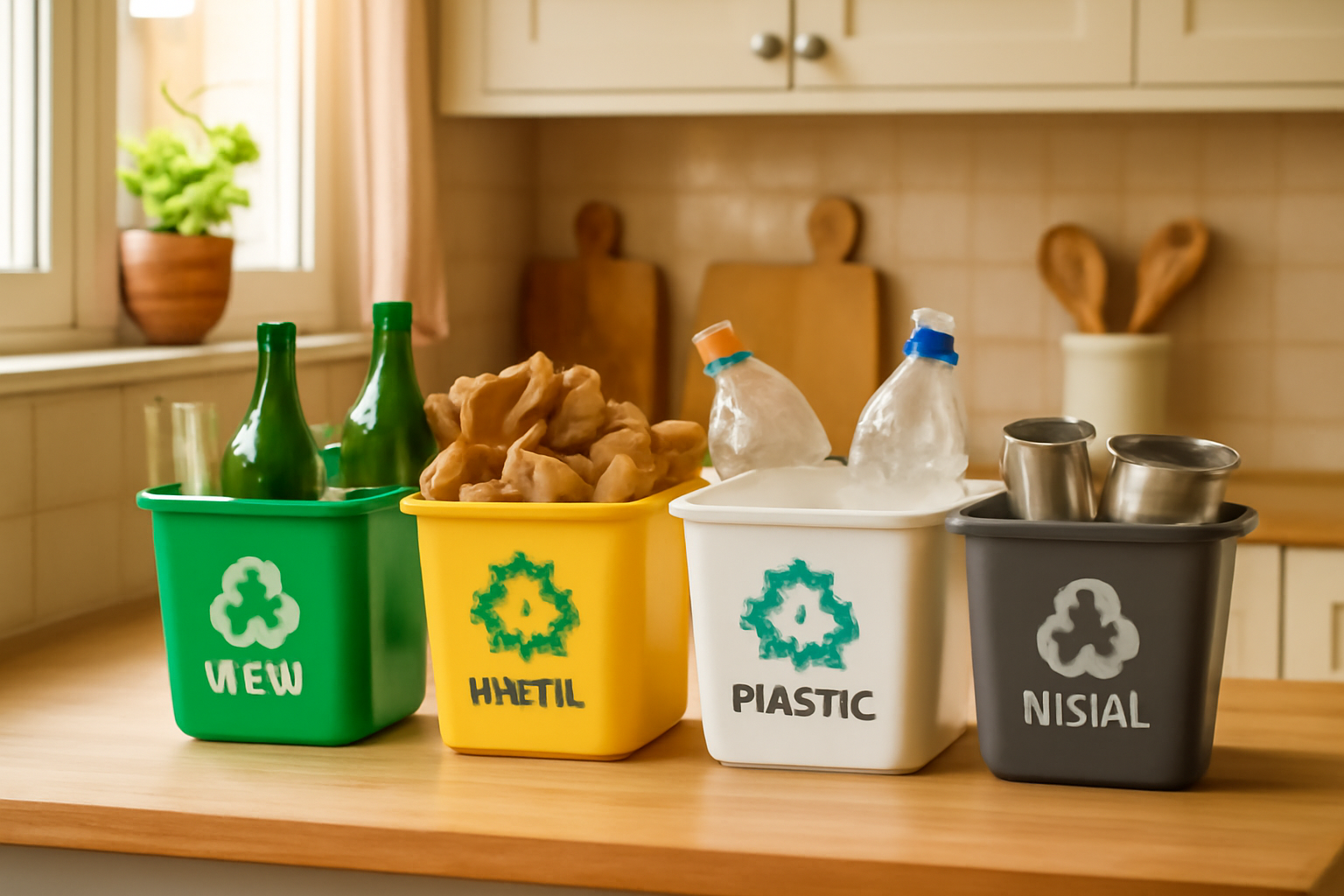
Different materials require specific handling for optimal recycling. To ensure efficient processing, it’s essential to understand the preparation guidelines for each type of recyclable material.
Paper and Cardboard
Paper and cardboard products—including newspapers, magazines, office paper, mail, envelopes, and flattened boxes—are widely recyclable. However, these items must remain clean and dry to be processed effectively. Wet or soiled paper products should not be recycled as they can contaminate other recyclables and diminish the quality of the recycled product.
Metal and Aluminum
Metal items such as beverage cans, food cans, and aerosols are generally recyclable. It’s important to rinse these items to remove any food residue before placing them in recycling bins. However, avoid recycling aluminum foil and small metal utensils through regular programs, as they require special handling due to their size and material properties.
Plastic Items
Plastics are categorized by type, often indicated by a number on the product. Plastic bottles and jugs with lids—such as those used for beverages, shampoo, and mouthwash—should be placed in recycling bins after rinsing. In contrast, plastic bags, Styrofoam, plastic wraps, and wrappers have separate, designated drop-off points, typically found at retail locations. Check local guidelines for acceptance.
Glass Containers
Glass bottles and containers can be recycled when thoroughly rinsed. Remove any non-glass components such as lids or caps before recycling. Some municipalities require glass to be sorted by color for effective recycling, so it’s prudent to verify local regulations for specific instructions.
Specialty Recycling Items
Certain items require special recycling processes or need to be dropped off at designated locations. This category includes electronics, batteries, light bulbs, and prescription bottles. Contact local programs to learn how to properly dispose of these materials.
Avoid placing soiled paper products, greasy pizza boxes, diapers, clothing, yard waste, and garden hoses in standard recycling containers, as they cannot be processed through regular recycling channels.
[[artifact_table]] Table of Recyclable Materials and Required Handling [[/artifact_table]]
Key Takeaways for Effective Recycling
Never mix materials, and always separate combined materials before recycling. Materials should be empty, clean, and sorted according to local recycling guidelines to ensure they are processed correctly. Adhering to these guidelines helps improve recycling efficiency and contributes to a healthier environment.
Building Sustainable Recycling Systems at Home and Work
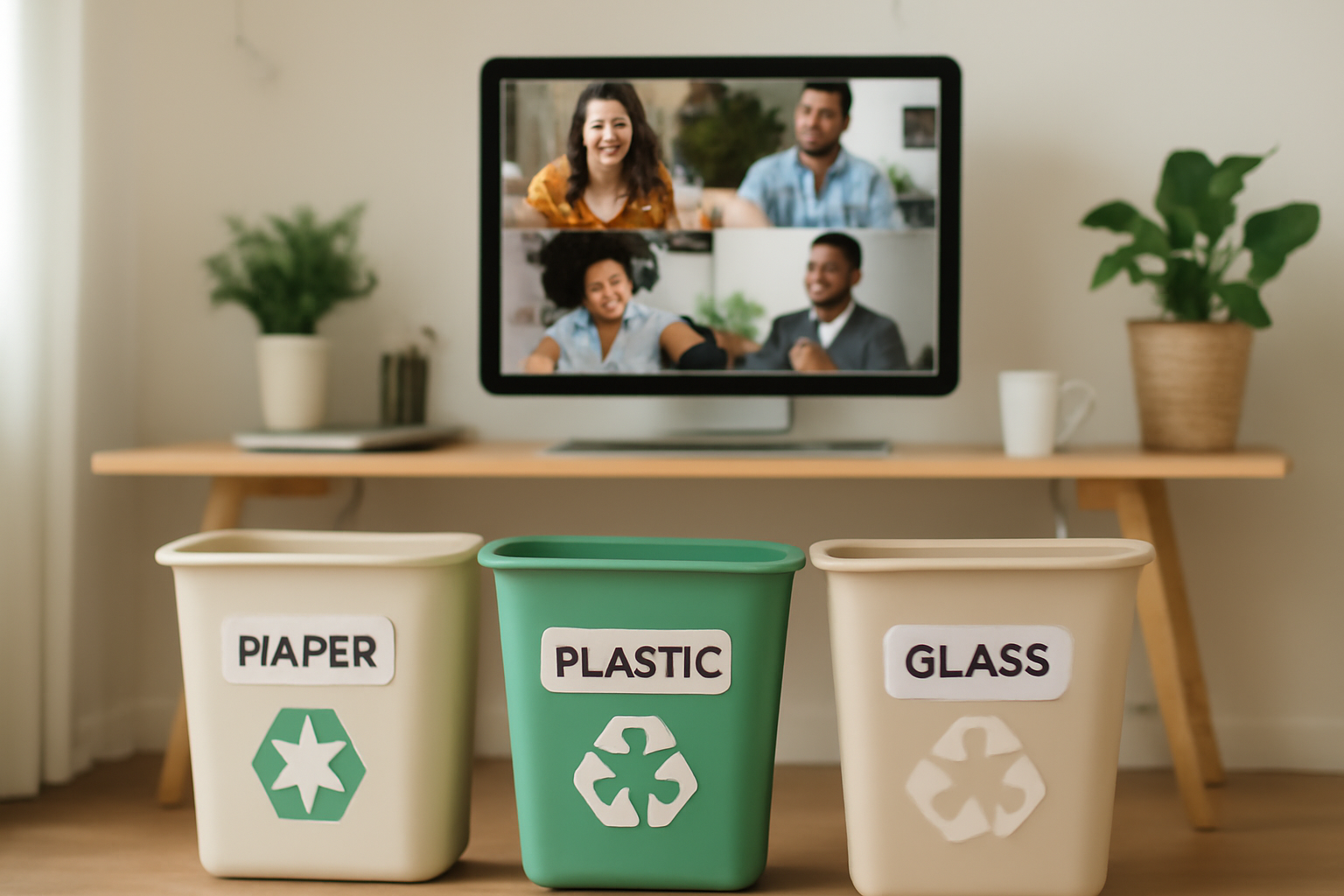
Implementing systematic recycling practices transforms good intentions into consistent habits. At home, position recycling bins directly next to trash containers as visual reminders for household members. Keeping a carrier bag in the hallway for collecting junk mail is a practical approach. Establish a routine of visiting recycling points on regular routes to work or supermarkets.
Use color-coded containers to segregate waste, ensuring hygiene by disposing of wet waste daily and dry waste weekly. In schools and offices, place recycling bins in every room, especially in areas generating high waste like staff rooms and kitchens. Clearly display signage and posters to raise awareness, labeling all recycling points properly.
Ensure all staff members, from teachers to cleaners, understand expectations and lead by example. When uncertain about recyclability, consult local council websites for guidelines as capabilities vary by location. Consider incorporating composting to further enhance sustainability initiatives.
[[artifact_table]] Description of a table showcasing effective home and workplace recycling bin placements and their impact on waste reduction [[/artifact_table]]
Avoiding Common Recycling Mistakes
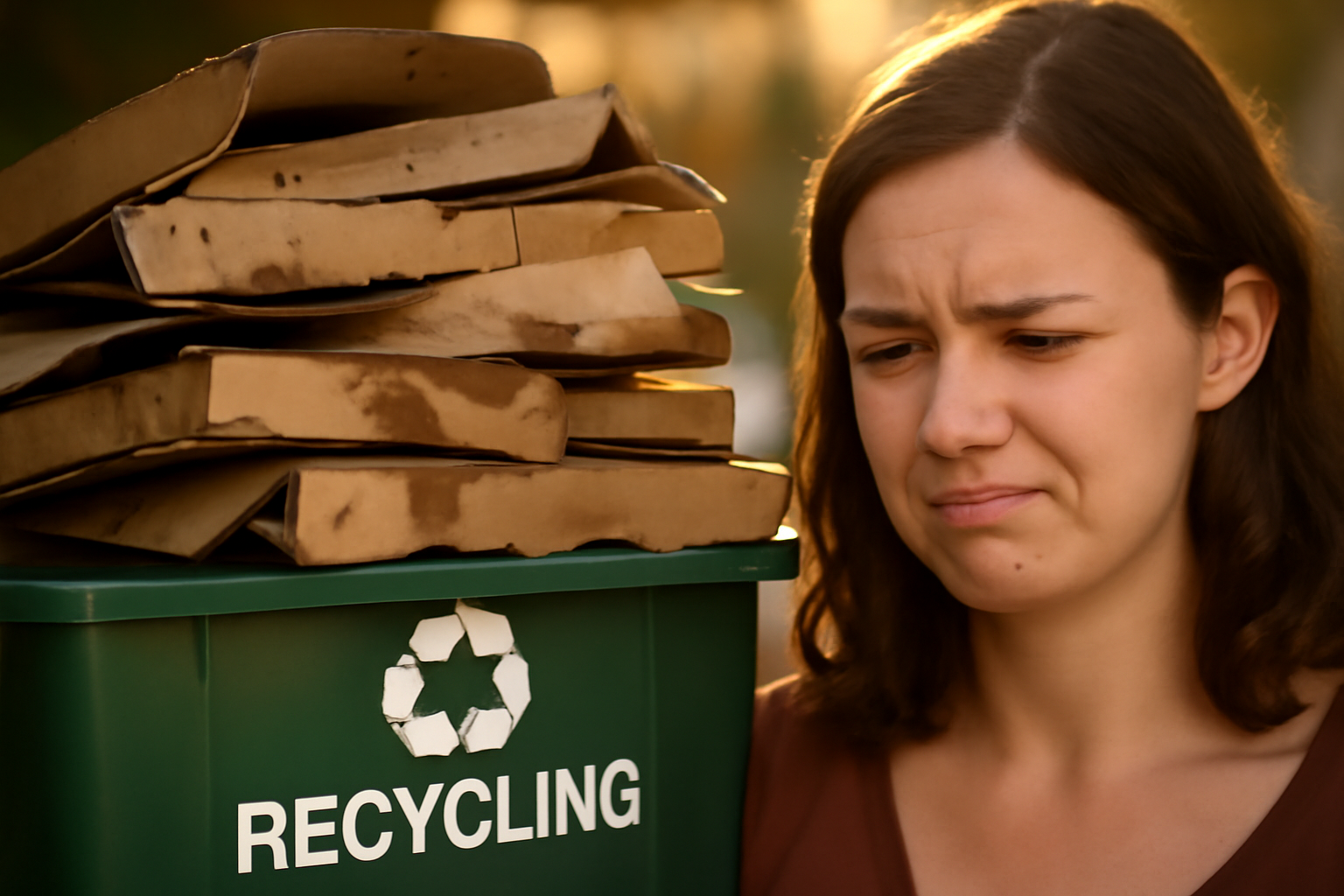
Recycling contamination remains a significant challenge that undermines sustainability efforts. One of the most common mistakes is wishful recycling—placing questionable items in recycling bins hoping they’ll be accepted. To prevent contamination, apply the principle “when in doubt, throw it out.” Avoid recycling soiled items, as food waste on pizza boxes or sauce in containers can spoil entire batches.
It is crucial not to bag recyclables or place them in tightly packed containers, as this interferes with sorting processes. Items smaller than a credit card, single-use utensils, Styrofoam packaging, plastic wraps, paper plates, paper towels, or napkins should not be recycled. The mixing of different materials without proper separation also causes processing problems.
Remember that yard waste, garden hoses, and organic materials belong in composting programs, not recycling containers. Prescription bottles and sample-sized containers require specialized disposal through local programs. Understanding these mistakes helps maintain clean recycling streams and ensures materials are recycled rather than diverted to landfills.
Conclusion: Making Recycling a Sustainable Habit

The circular economy is transforming the way we think about production and consumption. Unlike the traditional linear model which follows a “take-make-dispose” approach, the circular model emphasizes maximizing resource use, minimizing waste, and encouraging reuse and recycling. This shift not only mitigates environmental impact but also presents substantial economic opportunities.
As industries worldwide grapple with finite resources, adopting circular principles becomes increasingly essential. This transformation supports sustainability goals by promoting innovative practices that extend product lifecycles and enhance material recovery. For businesses and individuals alike, understanding and participating in the circular economy can make a significant difference.
Recycling as a Pillar of the Circular Economy

Recycling plays a crucial role in the circular economy by turning waste into valuable resources. This process reduces the need for new raw materials, effectively closing the loop on resource use. Industries like aluminum, steel, and plastics have shown significant energy savings and environmental benefits from robust recycling efforts.
Aluminum recycling saves up to 95% of the energy required to produce new aluminum from raw materials. This efficiency is echoed in steel and plastic recycling, where substantial savings in both energy and natural resources are achieved. Moreover, recycling helps diminish pollution, as it reduces the demand for resource extraction and lowers greenhouse gas emissions.
The job creation potential is another economic advantage of recycling. Industries benefit from over 36 jobs per 10,000 tons of recycled material, illustrating how recycling supports economic development.
[[artifact_table]] Benefits of Recycling by Material [[/artifact_table]]
Implementing Circular Practices in Daily Life

The transition to a circular economy requires grassroots participation. Small changes in daily habits can make a significant impact. For instance, individuals can reduce waste by opting for reusable products, supporting sustainable brands, and actively engaging in community recycling programs.
Businesses also play a vital role by redesigning products for longevity and recyclability, reducing packaging waste, and incorporating sustainable materials into their operations. By leveraging technology and innovation, companies can develop systems that facilitate recycling and resource recovery, promoting a more sustainable supply chain.
Furthermore, government policies are instrumental in driving this transition. Regulatory measures, such as setting waste reduction targets and incentivizing the circular economy, can accelerate systemic changes and reinforce sustainable practices across industries.
Working Towards a Sustainable Future

While the journey towards a more sustainable future is challenging, incremental steps can collectively lead to substantial changes. Embracing circular models enables sound resource management, ensuring that products and materials are intentionally designed to minimize waste and emissions.
As society becomes more aware of environmental issues, the shift to a circular economy becomes an attainable goal. By fostering a culture of sustainability, future generations can enjoy a more resilient planet, where economic growth harmonizes with ecological preservation.
Conclusion: Making Recycling a Sustainable Habit
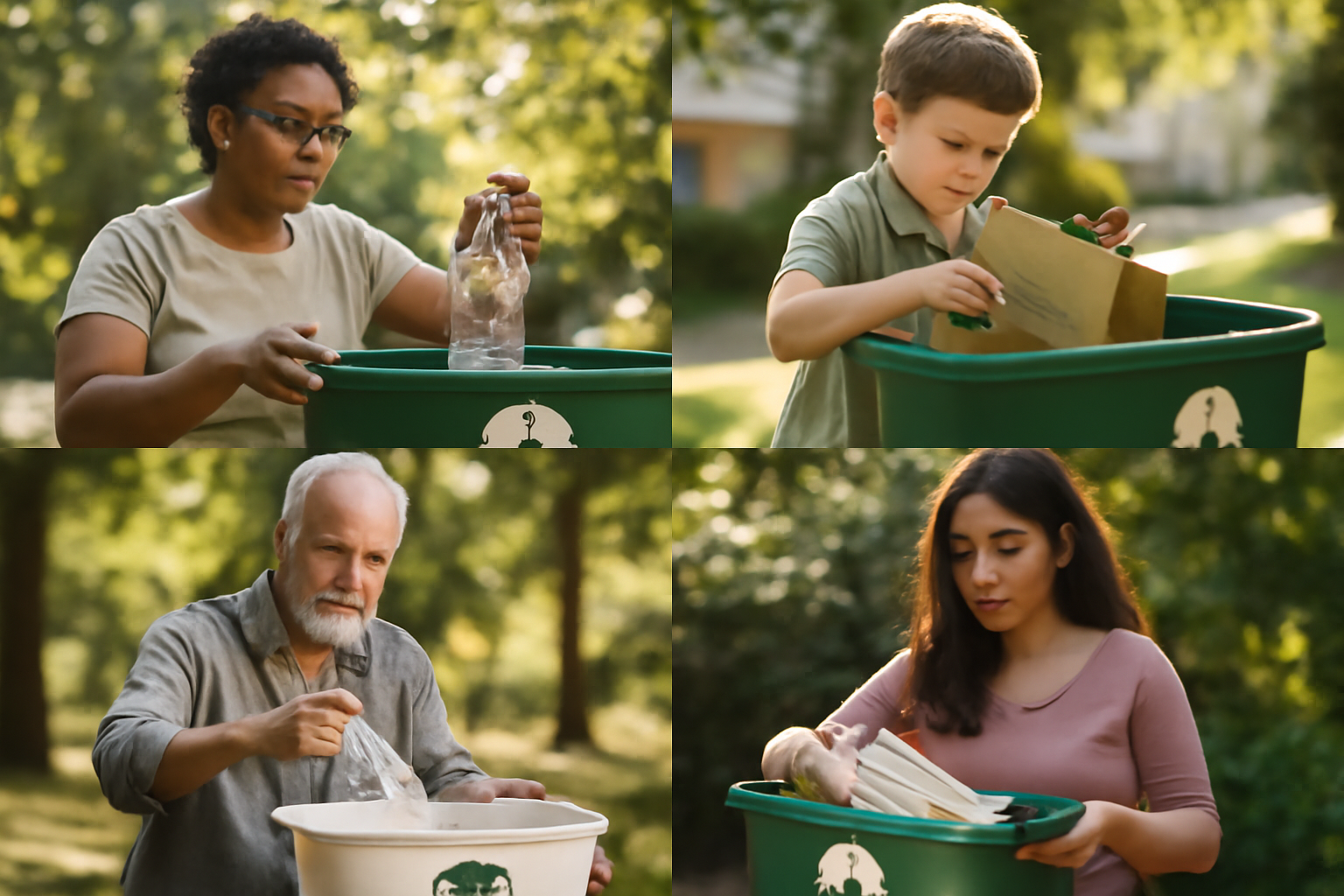
Mastering the best recycling tips empowers individuals and organizations to make meaningful environmental contributions while supporting the circular economy. The journey to becoming an expert recycler begins with simple practices: always rinse, dry, and flatten recyclables; separate mixed materials; avoid contamination by following the empty-clean-dry rule; and verify local guidelines for community-specific requirements.
Whether implementing these practices at home, in educational settings, or corporate environments, your commitment to recycling right creates ripple effects that benefit resource conservation, reduce landfill waste, and contribute to environmental sustainability for future generations. For assistance with recycling and waste management needs, contact Okon Recycling at 214-717-4083.