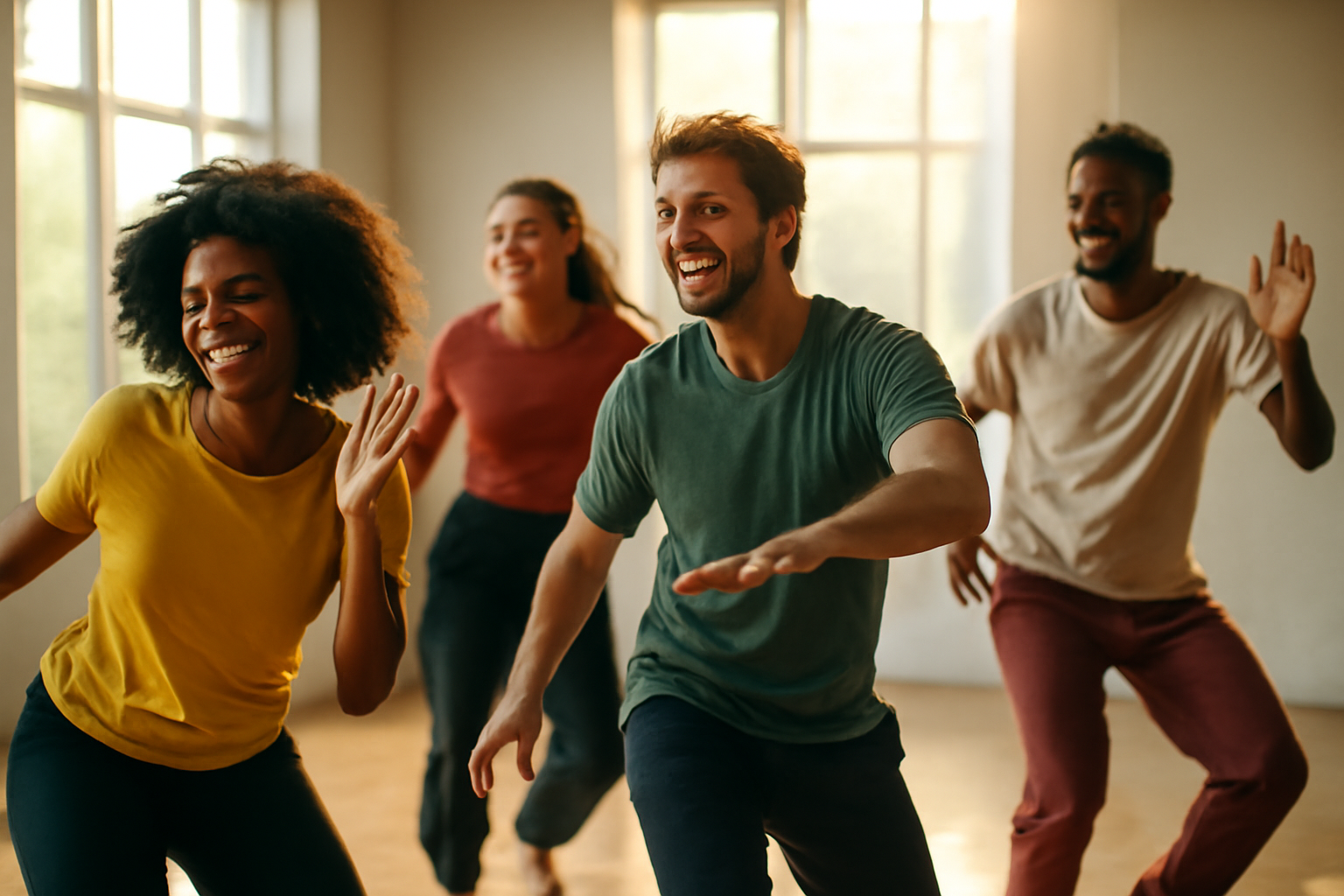
Dancing is a vibrant form of expression that anyone can embrace with practice and an open heart. Imagine moving with ease and confidence, effortlessly connecting with the rhythm of the music. This guide is here to help you embark on this joyful journey, breaking down the essential dance elements into simple steps. Whether you’re a complete novice or looking to enhance your skills, understanding the basics of rhythm, posture, and movement will set you on the path to confident dancing.
Finding the Beat: The Heartbeat of Dance

Finding the Beat: The Heartbeat of Dance
Music sets the tempo and feeling of your dance. To move harmoniously, understanding the beat is essential. Most dance music features a steady 4/4 time signature, which acts as the backbone of many genres including pop and hip-hop. By counting “1-2-3-4” consistently, dancers can sync their movements with the music’s pulse.
Begin by tapping your foot to the beat to internalize this rhythm. Gradually enhance your coordination by incorporating full-body movements while maintaining the count. This ongoing practice helps dancers stay in tune with the rhythm, allowing for more expressive performances.
Deconstructing the 4/4 Structure
The 4/4 time signature works by dividing each measure of music into four equal beats. This structure not only provides balance but also accommodates a wide variety of rhythmic variations. The first beat of each measure is typically the strongest, creating a sense of direction and emphasis.
Counting to four within each measure serves as a fundamental exercise for dancers. Enhancing understanding by breaking beats into smaller subdivisions, such as eighth or sixteenth notes, allows for greater precision and mastery over complex rhythms.
[[artifact_table]] Title: Exploring Rhythmic Subdivisions in Dance Music [[/artifact_table]]
Integrating an 8-Count for Dance
Dancers often use an 8-count system which expands upon the 4/4 time signature to manage longer phrasing and advanced routines. By counting to eight, dancers can break music into manageable segments, perfect for choreography and synchronization.
For effective practice, start with familiar songs that have distinct beats. This allows dancers to focus on the rhythm without distraction. Gradually incorporate “and” counts between beats (e.g., “1 and 2 and 3 and 4 and”) to refine timing and expand on the basic pulse.
Techniques for Mastery
Using a metronome is beneficial in maintaining uniform tempo during practice. It also aids in developing a natural, intuitive sense for rhythm. When challenges arise within a measure, slow down and isolate the specific section, repeating it until it feels effortless.
Furthermore, embracing multiple methods—such as clapping along, tapping your foot, or even vocalizing beats—enhances muscle memory and overall musicality.
Conclusion
Understanding and mastering the 4/4 time signature is pivotal for any dancer aiming to blend seamlessly with music. This rhythmic foundation not only anchors movements but also enriches the expressive potential of dance.
For expert guidance and a deeper dive into rhythmic intricacies, reach out to us at our company or call (555) 123-4567. We’re here to harmonize your dance journey.
Mastering Basic Dance Moves for Beginners
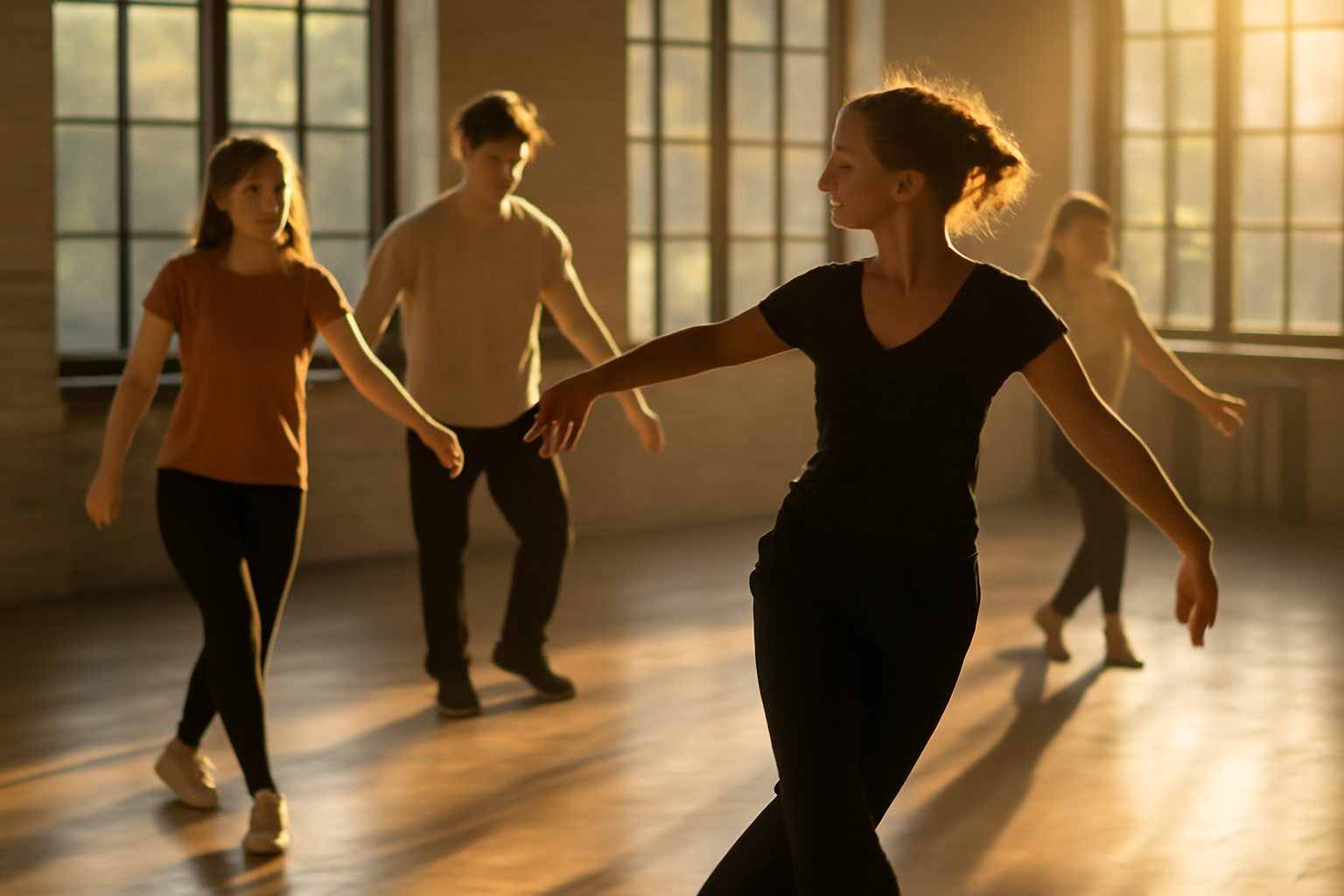
Base your dance on a few fundamental moves. The step-touch involves stepping to the right with the left foot following to meet it, then repeating in the opposite direction. Expand to the two-step by adding more directional flows. The step-tap adds variety by stepping and tapping without putting full weight on the tapping foot. Gradually build speed and comfort with each move, then combine them for a dynamic dance session.
[[artifact_table]] Fundamental Dance Moves for Beginners: Step by Step [[/artifact_table]]
These basic movements create a foundation for more complex dance sequences. By practicing rhythm and footwork consistently, beginners can enhance their coordination and confidence on the dance floor. Use virtual guides or video tutorials to demonstrate moves, breaking down each motion into small steps before speeding up. This approach allows for a seamless transition from simple steps to exuberant dance routines.
Adding Personality with Upper Body Movement
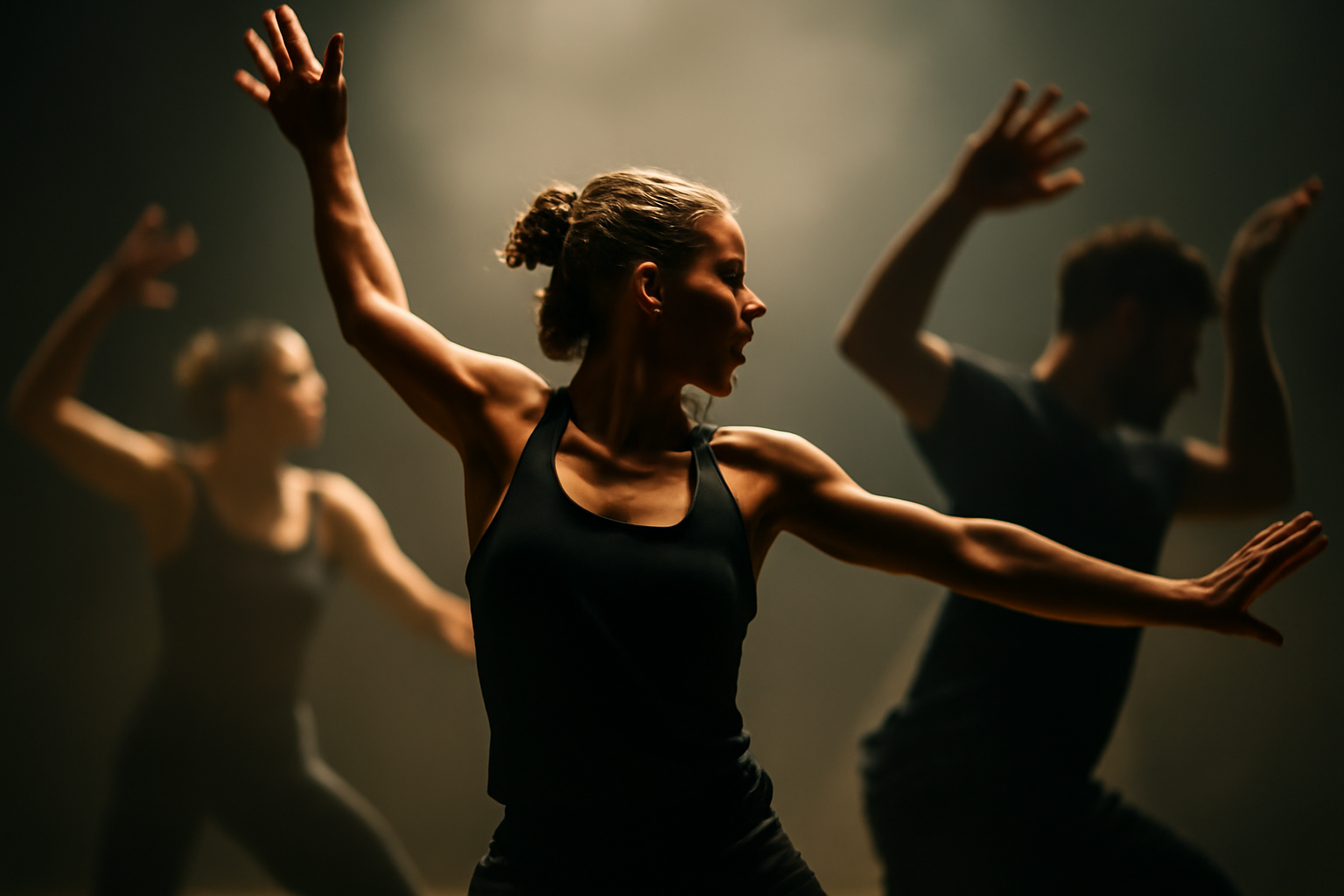
The beauty of dance is often captured in the fluidity and expressiveness of arm movements. Achieving this seamless grace requires a blend of strength, control, and flexibility, akin to the disciplines of ballet and dance. Many seek to emulate these elegant dancer arms, not only for their aesthetic appeal but also for the comprehensive upper body strength they represent.
Incorporating dancer-inspired exercises into your routine can transform your approach to fitness. This shift not only enhances physical strength but also imbues a touch of elegance in everyday movements. As the quest for “dancer arms” trends across social media, more individuals are exploring the fusion of art and exercise found in the realm of dance.
The Art of Dancer Arm Movements
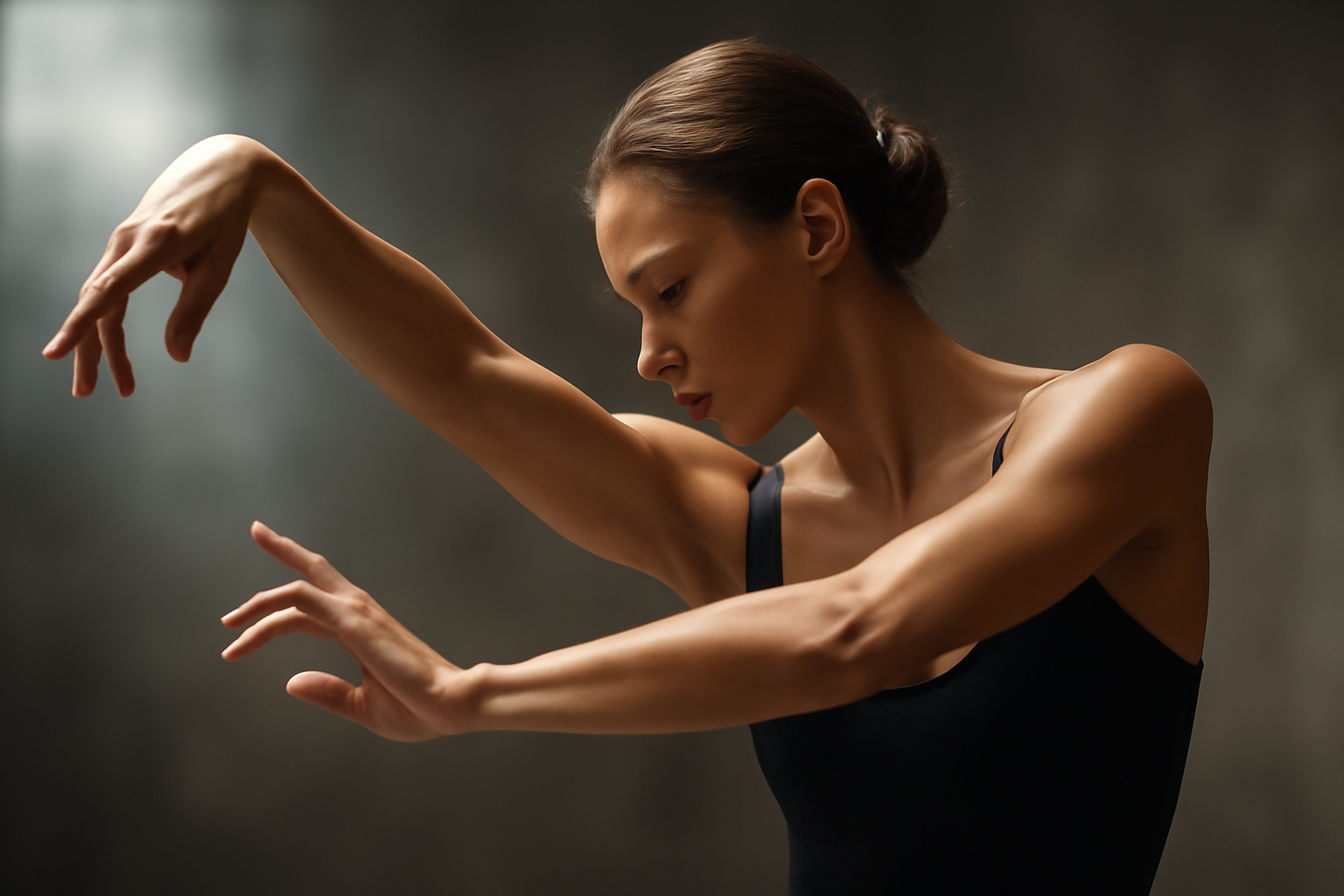
Understanding the Importance of Dancer Arms
Dancer arms are more than just an exercise goal; they’re essential for creating expressive and controlled movements in various dance forms. These movements often involve a combination of internal and external arm rotations, flexion, and extension. According to Whitney Berger, a certified barre instructor, strength in the arms and shoulders is crucial for performing dynamic isolations and achieving a fluid appearance on stage.
The artistry of dance requires a profound awareness of posture and alignment. A lifted chest, elongated spine, and engaged core are foundational for executing dancer arms with precision. These elements also enhance overall mobility, allowing for more expressive movements that tell a story on stage.
Exercises to Develop Dancer Arms
Integrating specific exercises into your fitness routine can build the necessary muscles for graceful arm movements. Arm circles are a staple, improving shoulder mobility and engaging the biceps, shoulders, and triceps. Although they appear simple, the repetitive control required quickly demonstrates their effectiveness.
Engaging in ballet arms workouts, such as the Standing Arms Workout, focuses on coordination, control, and toning. These routines help develop not only strength in the upper body but also the elegance and flow dancers are renowned for. Such exercises can easily be incorporated into home workouts, requiring minimal space and equipment.
[[artifact_table]] Exercises for Building Elegance and Strength in Dancer Arms [[/artifact_table]]
Adding Personality with Upper Body Movement
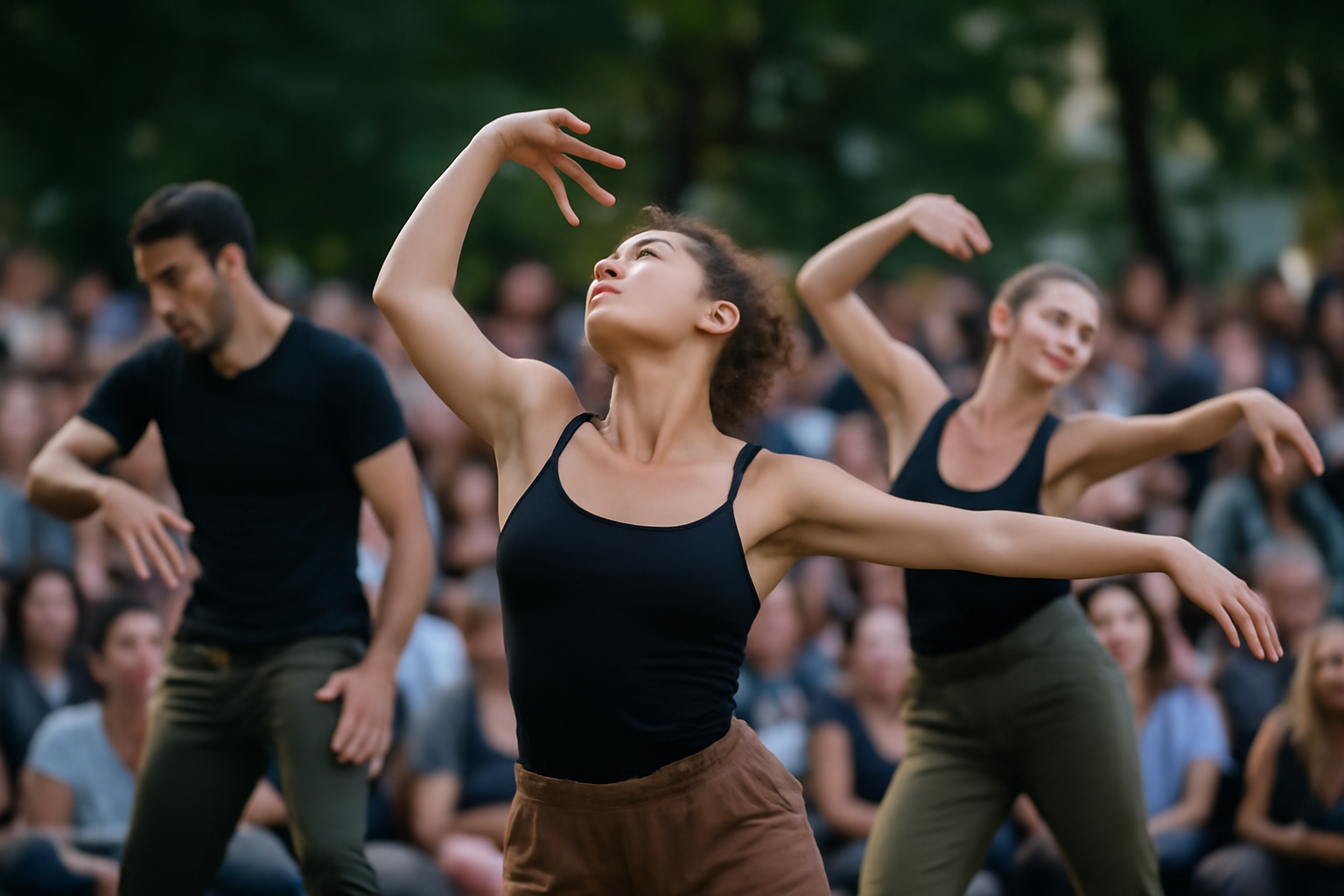
Your arms and upper body add flair and style to your dance. Begin with a simple clap on the beat or push with your hands. Experiment with shoulder leans and natural arm sway to incorporate fluid movement. Maintaining relaxed shoulders enhances the gracefulness of your dance, allowing the body to move as one harmonious unit.
Encouraging personal style in dance involves creativity. Recording oneself can serve as a valuable tool to track progress and make necessary adjustments, fostering a deeper connection with one’s unique dancing style.
Conclusion
Incorporating dancer arm exercises into your fitness regime promises not only the allure of elegant movements but also strengthens the entire upper body. As seen through the lens of dance, these exercises blend fitness with artistry, offering a holistic approach to body conditioning.
For those interested in mastering the grace and strength of dancer arms, consider reaching out to a certified instructor or fitness program dedicated to dance-inspired workouts. Connect with us for guidance tailored to your fitness aspirations at Dance Fitness Company or call us at (555) 123-4567.
Enhancing Skills Through Practice and Learning
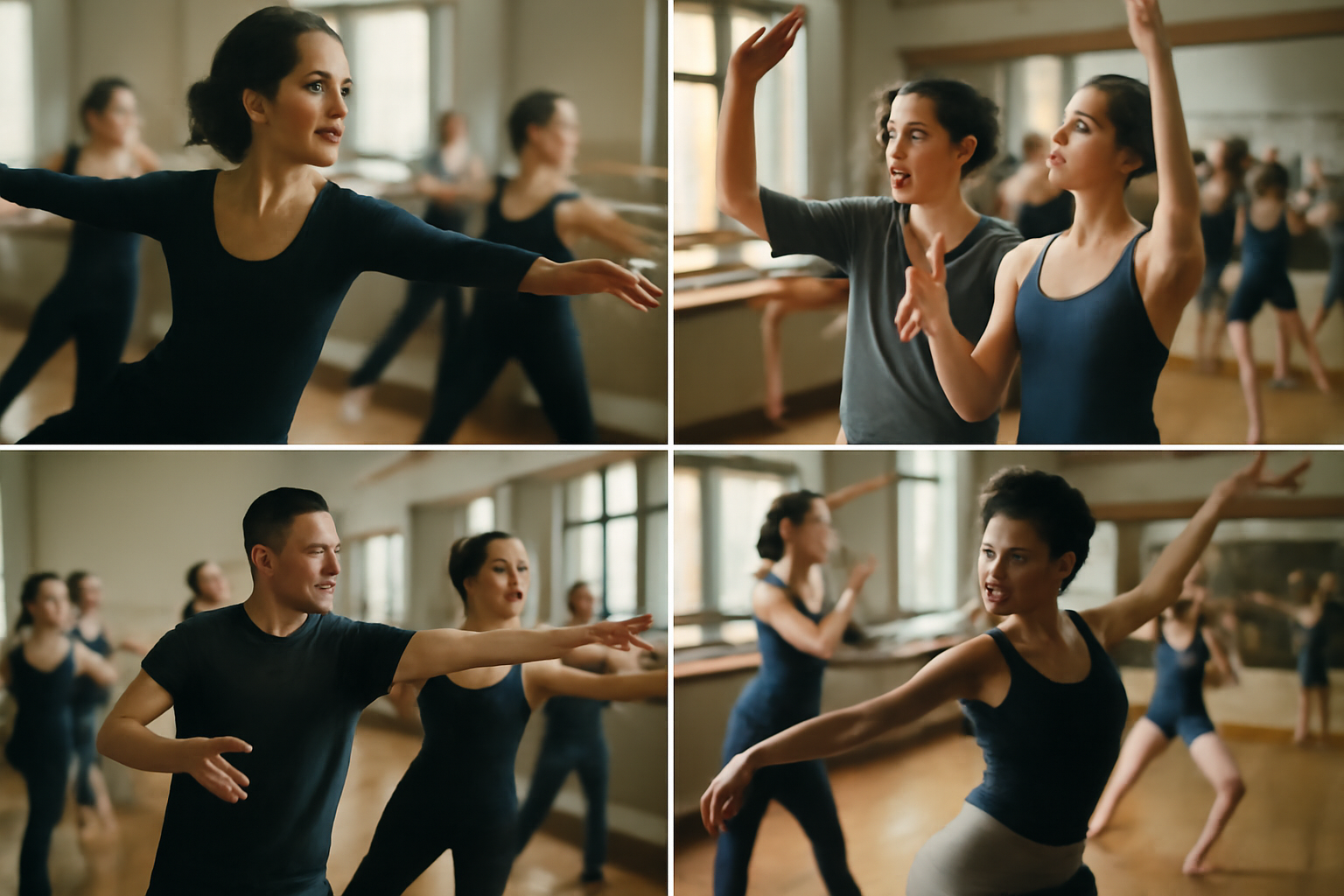
Developing core dance skills requires regular, focused practice in spaces where you can move freely. Dedicating consistent time to practice not only refines technique but also builds muscle memory. Whether it’s a few minutes each day or longer sessions a few times a week, regularity is key.
Online tutorials offer a structured environment with step-by-step guidance, making them ideal for self-paced improvement. These resources are available for various dance styles, from hip-hop to ballet, allowing dancers to explore and diversify their skills. With tutorials, dancers can pause, rewind, and re-watch, ensuring they grasp each step thoroughly.
Consider joining dance classes either online or offline for professional feedback and camaraderie with fellow dance enthusiasts. These classes provide an opportunity to receive expert critique, fostering both technical skills and confidence. Moreover, interacting with other dancers enhances creativity and motivation, making the learning journey more enjoyable.
Conclusion: Embrace Your Unique Dance Journey
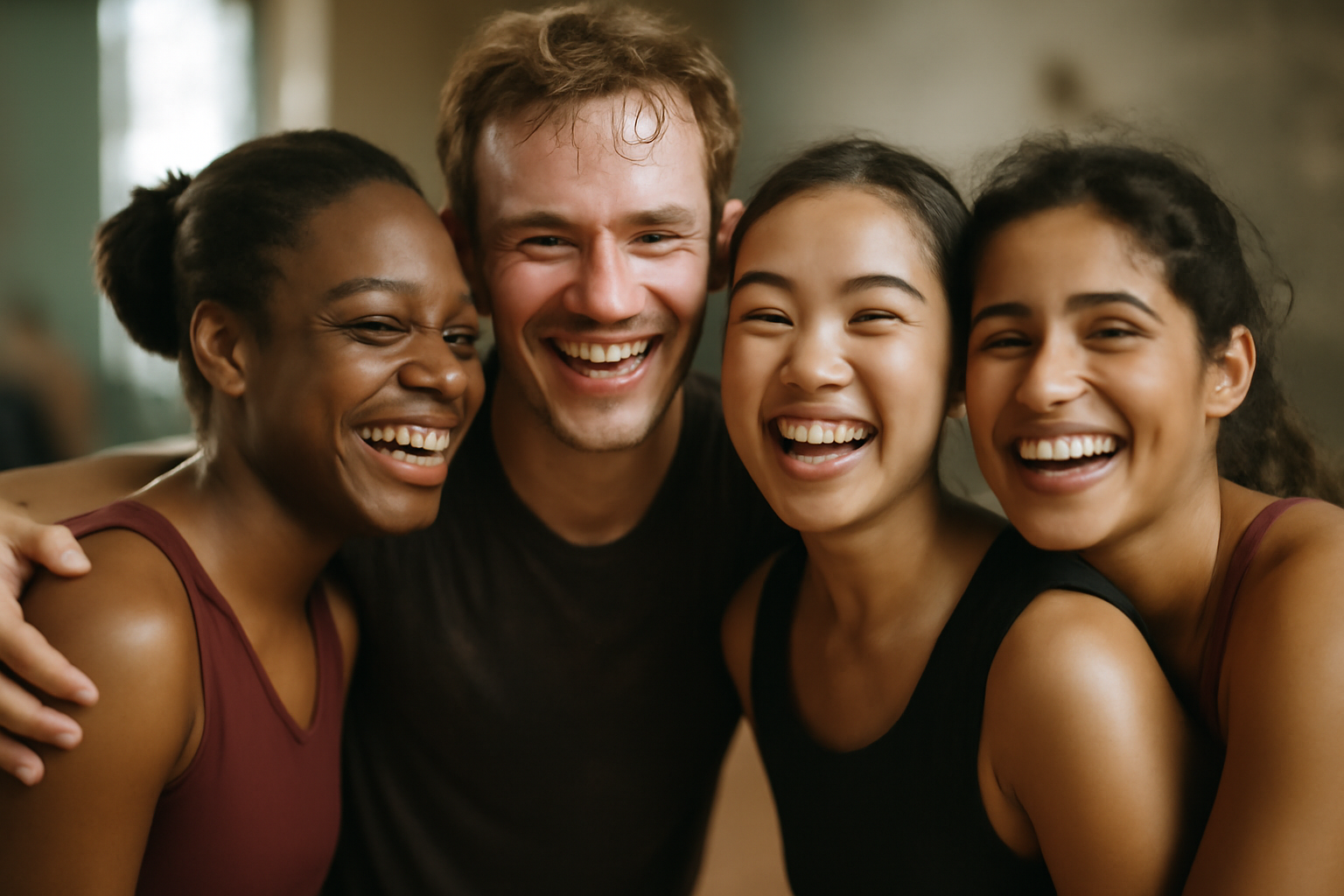
For many beginners, stepping onto the dance floor for the first time can be daunting. The rhythm, the steps, and the desire to move gracefully may seem overwhelming. Yet, learning to dance is not just about technique; it’s about expressing yourself while connecting with the music.
Whether you are inspired by the elegance of the Waltz or the vibrant energy of Salsa, mastering the fundamentals will set you on the path to becoming a confident dancer. Let’s explore how to turn those first steps into an exciting and rewarding journey.
Mastering Basic Dance Techniques
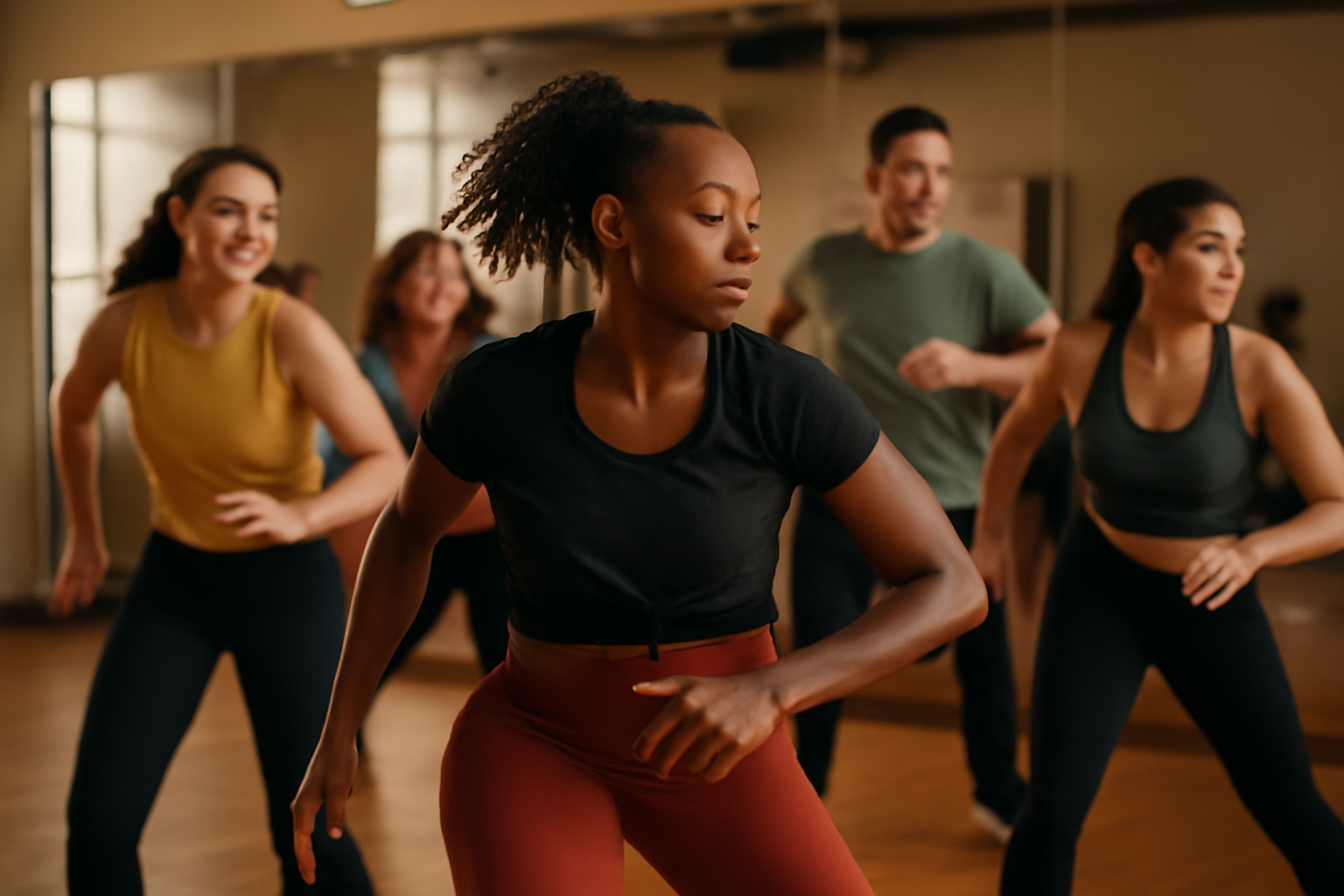
Posture and Frame
Posture is the cornerstone of all dance forms. A correct stance enables fluidity of movement and prevents injuries. Keep your torso upright, shoulders back, and engage your core. Whether you’re bowing in a Tango or flowing in a Ballet, a good posture is essential.
Frame refers to how you hold your arms and maintain contact with your partner. It ensures a strong connection and clear communication of movements, making partnership dances more cohesive and elegant.
Developing Rhythm
Rhythm isn’t simply about timing; it’s the heartbeat of dancing. Understanding beats and counts helps dancers anticipate steps and execute them seamlessly. Begin by listening closely to the music, identifying the tempo, and moving in tandem with the beat.
Practicing to slower music can strengthen your timing before gradually increasing the pace. Ultimately, proficiency in rhythm enhances your expression and enjoyment of any dance style.
Footwork Precision
Accurate foot placement is crucial for a polished performance. It’s important to focus on keeping your steps small, precise, and consistent. Common techniques such as gliding for Foxtrot or using the ball of your foot in Rumba illustrate the importance of refined footwork.
Building muscle memory through repetition is key, and you should practice these foundational steps daily. This approach not only builds confidence but also enhances your style and control on the dance floor.
[[artifact_table]] Example of Essential Dance Movements [[/artifact_table]]
Connection and Expression
Once you grasp the basics, it’s time to infuse dance with emotion and personality. Connection involves not just physical contact but also a shared energy and responsiveness between partners.
Expression transforms technical steps into art. By focusing on movement quality and intentionality, dancers can bring stories to life, making each performance uniquely personal and compelling.
Conclusion
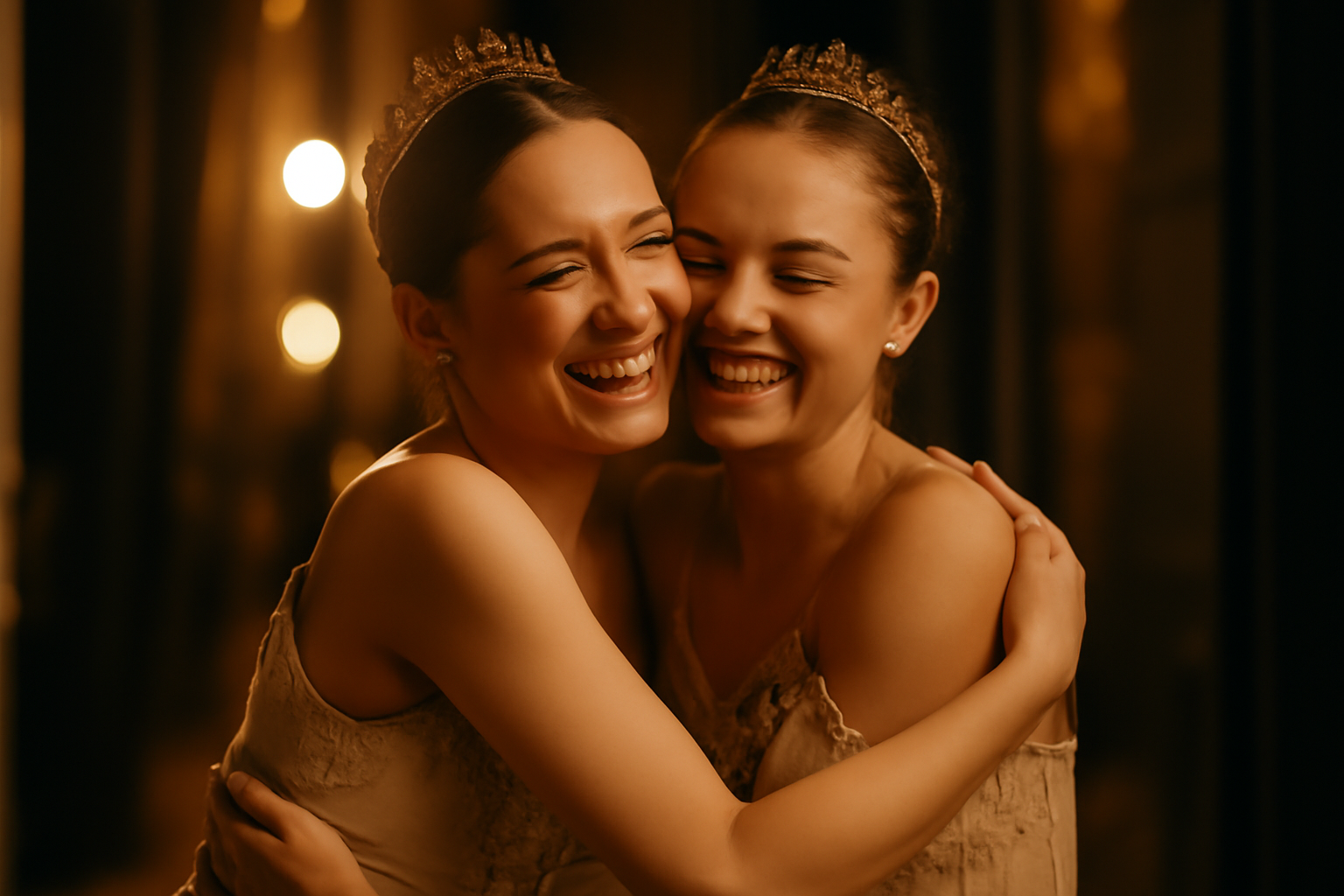
Embarking on your dance journey is about more than just learning steps. It’s about finding joy in movement, developing rhythm, and expressing your personal style. As you practice patience and persistence, you’ll find that the dance floor is not just a place for movement but for transformation and expression.
If you’re ready to start this exciting journey, reach out to us at Fred Astaire Dance Studio of Moon Valley. Give us a call at (602) 795-2220 or visit us to schedule your introductory lesson. Embrace the rhythm and let’s dance.