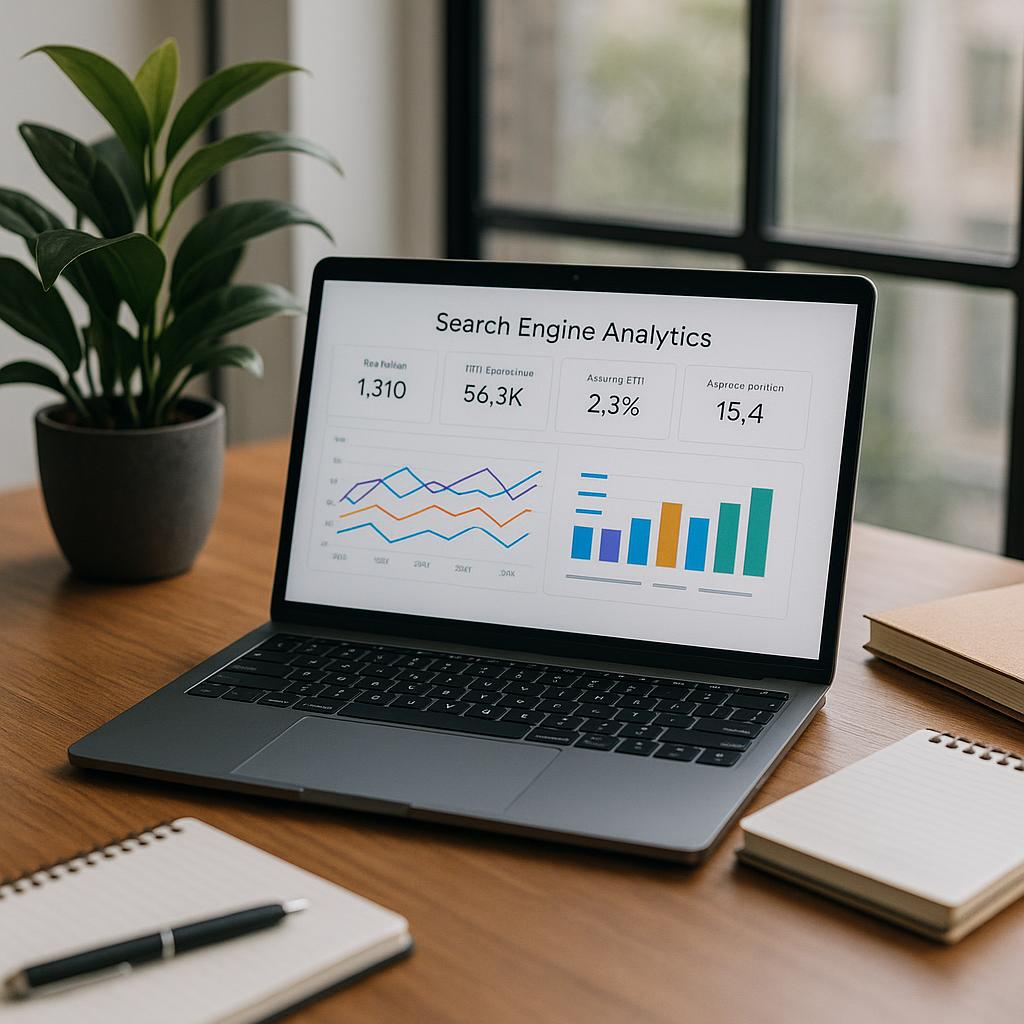
Nine out of ten internet users in the United States conduct searches every month. This high frequency highlights why search engine optimization is still the backbone of digital marketing in 2023. Without a robust SEO strategy, businesses risk getting lost in the digital shuffle, unseen by potential customers.
SEO involves matching your website content with what people are actively looking for online. The goal is to ensure search engines like Google see your pages as valuable answers to user questions. Modern SEO success relies on aligning user intent with technical excellence. From mobile-first indexing to AI-driven algorithms, this landscape requires strategic thinking and adaptability. Businesses that excel in these areas attract qualified organic traffic, boost brand authority, and drive significant conversions.
How Search Engines Work: The Foundation of SEO Strategy

Search engines have a three-stage lifecycle determining what content users see. Crawling finds content, indexing analyzes and stores it, and ranking decides which results show up first. Not understanding this sequence makes website optimization an exercise in guesswork.
Think of a search engine like a massive library system. The librarian must first research available books, categorize them by topic and quality, and then recommend the top choices when patrons ask. Search engines use the same logic, handling billions of pages every day.
The Crawling Stage: Discovery Through Web Crawlers
Crawling is essential for search engines to deliver results. Web crawlers, often referred to as spiders or bots, continually scan the internet to find new and updated content. These automated programs fetch web pages, inspect their code, and follow links to discover additional URLs worth exploring.
Google’s crawler, known as Googlebot, begins by fetching a selection of web pages, and then follows every link on those pages to unearth new URLs. This link-based navigation system maps the interconnected web structure. Search engines cannot index what they can’t find. If a page lacks incoming links or is behind technical blockades, crawlers may miss it entirely.
Crawling consumes resources, so search engines optimize the process strategically. An algorithm decides which sites to crawl, how often to visit them, and how many pages to fetch per site. High-quality sites with regular updates receive more frequent crawls, while technically problematic or lower-quality sites experience reduced crawl activity.
The Indexing Stage: Analysis and Storage
Once crawlers fetch a page, the indexing stage kicks in. Search engine bots render the page by examining its code, text, images, and structure. They assess H1 headings, meta descriptions, and overall content quality to understand what the page offers. This analysis determines if the page earns a place in the search engine’s index.
Indexing resembles cataloging in a library. Each page is classified based on topic, quality, and relevance. Pages that duplicate existing content, offer minimal information, or have technical flaws may be excluded entirely. The index serves as the search engine’s database of discovered content. When users submit queries, the engine searches this index, not the live web, enabling quick results.
The Ranking Stage: Matching Content to User Intent
Ranking is the most visible part of how search engines function. When someone types a query, the search engine evaluates billions of indexed pages to find the best matches. User intent is central to this process, even though hundreds of ranking factors influence it.
Search engines aim to categorize each query by intent. Informational intent means users seek general knowledge. Commercial intent suggests product or service research. Navigational intent shows a search for a specific website. Transactional intent indicates readiness to purchase. The engine tailors results to suit these varying purposes.
Modern algorithms like Google’s BERT have revolutionized how search engines interpret queries. BERT uses natural language processing to understand the context and nuance of search phrases. It no longer just matches keywords but grasps what users genuinely mean. This rewards content that shows genuine expertise and addresses real user needs.
Ranking considers more than content quality. Search engines evaluate technical performance, like page load speed and mobile responsiveness. Authority is assessed through backlink profiles and domain reputation. User experience signals, like page interaction post-click, also affect rankings. The ranking process is alive, continuously evolving with algorithm updates.
Grasping this three-stage lifecycle reshapes SEO strategies. Every optimization effort should encourage crawlers to discover content, assist indexing systems in comprehension, or boost ranking signals showing relevance and quality.
Core Components of SEO: Technical, On-Page, and Off-Page Optimization

Search engine optimization thrives on three distinct pillars. Each plays a role in how search engines discover, understand, and rank your website. Technical SEO is your defense, safeguarding your site’s foundation. On-page SEO serves as the offense, driving content that converts. Off-page SEO acts like team support, developing credibility through external validation.
When these elements unite, search engines get both the clarity and trust needed to rank a website effectively. Many businesses struggle with SEO because they overemphasize one area while neglecting others.
What Technical SEO Brings to Your Strategy
Technical SEO zeroes in on the website’s infrastructure and how easily search engines can crawl and understand its pages. This ensures your site is accessible, fast, and systematically structured so search engine bots grasp it with ease.
Key technical elements include site speed, mobile compatibility, and crawlability. A sluggish site frustrates users and signals search engines that the experience might be lacking. Mobile optimization is vital as more searches happen on smartphones than desktops. Crawlability speaks to how well search engine bots can navigate your site. Core web vitals such as loading performance, interactivity, and visual stability directly impact rankings. Without a solid technical foundation, even top-tier content may remain unseen in search results.
How On-Page SEO Shapes Content Relevance
On-page SEO hones in on the quality, relevance, and arrangement of content on each page. This helps search engines grasp page relevance and match content with user search intent. It involves optimizing elements directly within your control—from title tags and meta descriptions to header tags and image alt text.
Content quality is at the heart of on-page optimization. Pages must answer user inquiries thoroughly while seamlessly incorporating relevant keywords. Header tags organize content hierarchically, which aids both users and search engines in scanning and understanding page structure. Internal links connect related pages within your site, aiding search engines in finding content and understanding page relationships. Meta tags give search engines succinct summaries of page content, influencing how pages appear in search results. When on-page elements align with search intent, pages are more likely to rank well and convert visitors into customers.
Why Off-Page SEO Builds Authority and Trust
Off-page SEO deals with actions beyond your website to improve search engine rankings. This focuses on authority signals from external sources, like backlinks and brand mentions. When a site secures strong authority signals from reputable sources, search engines gain confidence in the business’s legitimacy, meriting higher visibility.
Link building is the most crucial off-page factor. Quality backlinks from authoritative sites act as endorsements, indicating your content’s trustworthiness and value. A link from a respected industry publication carries more influence than dozens of links from low-quality directories. Social media marketing and brand mentions contribute to off-page SEO. Partnering with authoritative sites extends your reach and bolsters credibility. Off-page SEO provides the external validation search engines need to trust your site enough to rank it prominently.
| SEO Type | Primary Focus | Core Goal |
|---|---|---|
| Technical | Website infrastructure and performance | Ensure search engines can crawl, index, and interpret the website efficiently |
| On-Page | Page content and structure | Help search engines understand page relevance and match content with search intent |
| Off-Page | External authority signals | Build trust and credibility through backlinks, mentions, and reputation signals |
When these three components align, SEO strategies yield sustainable results. Ignoring any one pillar creates gaps that limit overall performance. Technical excellence means little if your content fails to engage users or if no external sources validate your authority.
Comprehensive Keyword Research and Content Optimization

Keyword research is the backbone of a successful SEO strategy. Understanding what your audience searches for allows you to craft content that precisely addresses their needs. This involves analyzing search intent, evaluating competition, and finding opportunities that align with your business goals.
Building Your Keyword Research Framework
Begin with broad topics related to your industry. Use tools like Google Keyword Planner to generate initial keyword ideas and access essential data, including monthly search volumes and competition levels. Balance is crucial when selecting keywords. High search volume indicates strong interest but often comes with intense competition. Lower volume keywords with less competition can be more fruitful, especially for newer sites. Long-tail keywords, those longer, more specific phrases, deserve special attention because they typically show clearer user intent. Someone searching for “best running shoes for flat feet” has a precise need, unlike a generic search for “shoes.”
Leveraging Free Research Tools
Google Search Console provides valuable insights into keywords already driving traffic to your site. Review this data regularly to understand which terms perform well. Google Trends helps identify seasonal patterns and emerging topics, showing whether interest in a keyword is rising or fading. AnswerThePublic generates question-based keywords that reveal common user queries, offering excellent content ideas that address audience problems directly.
Understanding Search Volume and Competition
Search volume indicates how often users search for a specific keyword each month. Higher volumes suggest greater traffic potential, but popular keywords typically face more competition. Keyword difficulty scores measure how challenging it’ll be to rank for specific terms. Tools like Ubersuggest and KeywordTool.io provide these metrics along with search volume data. SERP analysis shows what content currently ranks for your target keywords. Examine the top ten results for each term, noting the content format, length, and structure of successful pages.
Optimizing Content with Strategic Keyword Placement
Once you’ve identified target keywords, naturally integrate them throughout your content. Place primary keywords in page titles, headings, and the first paragraph. Avoid keyword stuffing, which ruins readability and could result in search engine penalties. Instead, use semantic variations and related terms. The related searches section at Google results’ bottom gives additional keyword opportunities that help reach users at different stages of their research journey.
Streamlining Your Research Process
Keyword Surfer displays search data directly in Google results, showing monthly search volumes and related keywords as you search. Build a systematic approach to keyword research by listing core topics, expanding each into subtopics, then pinpointing specific keywords for each. This organized structure ensures comprehensive topic coverage. Save promising keywords using spreadsheets or dedicated SEO tools, tracking metrics like search volume, difficulty, and current rankings.
Refining Your Content Strategy
Keyword research guides content planning. Group related keywords into topic clusters to steer content creation. After publishing optimized content, monitor performance with Google Search Console to track ranking improvements and traffic shifts. Regular keyword research keeps your strategy updated as search trends and user needs evolve. Schedule monthly reviews to uncover new opportunities and tailor your approach based on performance data.
SEO vs. SEM: Navigating Organic and Paid Strategies

Understanding the difference between SEO and SEM influences how businesses pursue search visibility. SEO focuses entirely on organic search results. It optimizes website content, structure, and technical attributes to achieve higher rankings without paid placement. SEM encompasses both organic and paid search tactics, including PPC advertising through platforms like Google Ads. While SEO is a long-term investment in sustainable traffic, SEM provides immediate visibility with sponsored results at the top of search engine results pages.
The cost structures of these approaches are fundamentally different. SEM works on a pay-per-click model—advertisers bid on specific keywords and pay each time their ad is clicked. This needs ongoing funding, and visibility stops once the budget runs out. SEO relies on time, effort, and expertise rather than direct monetary investment per click. Once a site earns strong organic rankings, it can maintain its position with regular content updates and technical upkeep. The initial SEO investment pays off over time as organic traffic continues to flow without incurring more costs.
The difference in speed to results is clear. SEM campaigns generate traffic shortly after launch. Businesses gain instant access to their target audience by bidding on relevant keywords and crafting persuasive ad copy. This makes SEM valuable for new product launches, seasonal promotions, or entering competitive markets. SEO requires patience, as search engines take time to crawl, index, and rank optimized content. Most sites see significant organic traffic improvements over months, not days. However, this gradual buildup creates a foundation that grows stronger over time.
User trust and credibility also affect performance differently. Organic search results typically enjoy more trust from users because they represent earned placement and not paid visibility. Many users recognize and skip past results labeled as “Ad” or “Sponsored.” SEO establishes websites as credible field authorities through quality content and positive user experience signals. SEM allows precise targeting and instant data collection but might encounter skepticism from users who prefer organic recommendations. Both strategies have unique roles in creating a comprehensive online presence.
| Factor | SEO (Organic Search) | SEM (Paid Search) |
|---|---|---|
| Cost Model | Time and expertise investment; no per-click costs | Pay-per-click; ongoing budget required |
| Time to Results | Months for meaningful rankings | Immediate visibility upon campaign launch |
| Longevity | Sustained rankings with maintenance | Visibility ends when budget stops |
| User Trust | Higher credibility as earned placement | Lower trust due to “Sponsored” labeling |
| Best For | Long-term growth and authority building | Quick wins, promotions, market entry |
Combining SEO and SEM provides synergistic benefits neither strategy can achieve independently. A business can dominate search results by taking up both paid and organic positions for valuable keywords. For example, a clothing retailer might run PPC ads for “winter jackets 2024” while also achieving organic ranking for the same term. This dual presence boosts visibility and captures users at different buying stages. SEM campaigns also offer useful keyword and conversion data that fuel SEO content strategies. Quick gains from paid advertising generate income while organic efforts gather momentum.
The decision to focus on SEO or SEM depends on business objectives and resources. Companies needing immediate traffic and quick data for decision-making will benefit from SEM’s rapid results. Those aiming for sustainable market presence with limited budgets find SEO cost-effective over time. Most successful digital marketing strategies incorporate both approaches in different measures. SEM can boost visibility and test market response, while SEO builds the credible, lasting foundation. Tracking conversion rates, traffic generation, and marketing ROI from both channels help strike a balance between achieving quick results and sustaining growth across the entire customer journey.
Conclusion: Building SEO Foundations for Future Success
A successful SEO strategy transforms your digital presence into a dependable asset, driving consistent organic traffic and long-term visibility. By focusing on user experience, crafting high-quality content, and maintaining technical excellence, businesses build authority and trust that go beyond short-term tactics. Regular audits, content updates, and strategic refinement are key to keeping ahead as search algorithms evolve. Treating SEO as an ongoing investment rather than a one-off project allows rankings and credibility to grow over time.
Success in search visibility calls for ethical practices, data-driven decisions, and embracing new trends. Start by auditing your current site performance, identifying content gaps, and aligning your strategy with genuine user needs. Aim to create valuable resources that showcase expertise and reliability while earning quality backlinks through authentic connections. This groundwork supports measurable results and sustainable growth, reducing reliance on paid ads and strengthening your competitive edge in the digital marketplace.