Dancing offers a unique way to express yourself while connecting with music and movement. Whether you’re preparing for a wedding, exploring a new hobby, or simply looking to have fun, learning to dance is accessible to everyone. The rhythm, steps, and confidence you build will transform how you experience music and social gatherings.
Every accomplished dancer started exactly where you are now. Mastering basic steps, understanding rhythm, and developing proper posture form the foundation of your dance journey. With consistent practice and a positive mindset, you’ll discover that anyone can learn to dance. The joy comes not from perfection, but from the freedom of movement and the connection you create with the music around you.
“`json
{
“output_html”: “
Finding the Beat: Dance’s Core Rhythm
The beat of the music acts as the backbone of any dance. From classical ballet to pulsating hip-hop, understanding the beat is your gateway to freedom on the dance floor. Recognize it as the consistent pulse that guides every step and movement. Often structured in a 4/4 time signature, the beat provides the framework that allows dancers to express themselves while staying connected to the music.
Understanding What the Beat Really Means
The beat is the steady, repetitive pulse you hear throughout a song. It’s what makes you tap your foot instinctively or nod your head when a catchy tune plays. This pulse remains constant even when melodies change or instruments drop in and out. Different music genres emphasize the beat in various ways. Pop music often features a strong, clear beat driven by drums and bass. Hip-hop typically has pronounced bass-heavy beats that make rhythm identification easier for beginners.
Starting with Simple Beat Recognition Exercises
Start by tapping your foot or nodding your head to the beat while listening to familiar songs. Choose songs with clear, prominent beats initially. Tracks like “Uptown Funk” by Mark Ronson or “Billie Jean” by Michael Jackson offer unmistakable rhythmic patterns perfect for practice.
Once you identify the basic pulse, try clapping along with the beat through an entire song. This builds your ability to maintain timing synchronization. The bass drum often marks the strongest beats and serves as an excellent reference point. Progress to counting the beats out loud as you listen. Most dance music follows patterns of four or eight beats. Count “one, two, three, four” repeatedly, ensuring each number aligns with a distinct pulse in the music.
Connecting Physical Movement to Musical Rhythm
Practice simple sequences like stepping forward on the first and second beats, then back on the third and fourth. Start slowly, focusing on precision rather than speed. Your goal is to synchronize your movements with the sounds you hear.
Let the rhythm resonate through your entire body rather than just your feet. Begin with small movements such as weight transfers from one side to the other in sync with the music. Gradually incorporate larger body movements as your confidence grows. Listen for rhythm cues in the music beyond the basic beat. Different instruments emphasize different beats. The bass might provide a steady pulse while drums create more intricate rhythms.
Building Your Rhythmic Foundation Through Practice
Condition your body to execute movements in a rhythmic way from the start. When learning new dance steps, practice them to a beat even if you perform them slowly at first. Avoid drilling movements in silence, as this separates technique from timing. Use a metronome or play music at a reduced tempo while you develop proper form.
Practice dancing while counting throughout entire songs. Whether you count patterns, eights, or downbeats and upbeats, keep the count running through your head continuously. If counting while moving proves challenging initially, spend time simply listening to dance music and counting before adding physical movement.
| Practice Method | Focus Area | Benefit |
|---|---|---|
| Foot tapping and head nodding | Beat recognition | Develops instinctive pulse awareness |
| Clapping through songs | Timing synchronization | Maintains consistent rhythm tracking |
| Counting out loud | Musical phrasing | Creates mental framework for movement |
| Basic step sequences | Physical coordination | Connects body movement to music |
| Dancing with continuous counting | Integration | Unifies counting and movement skills |
Building a strong rhythmic foundation is the first step to becoming a savvy dancer. The beat gives structure to your movements and connects you to the music itself. As this connection strengthens, dancing transforms from memorized steps into genuine musical expression, allowing creativity and confidence to flourish on the dance floor.
”
}
“`
Mastering Basic Movements: Your Dance Vocabulary
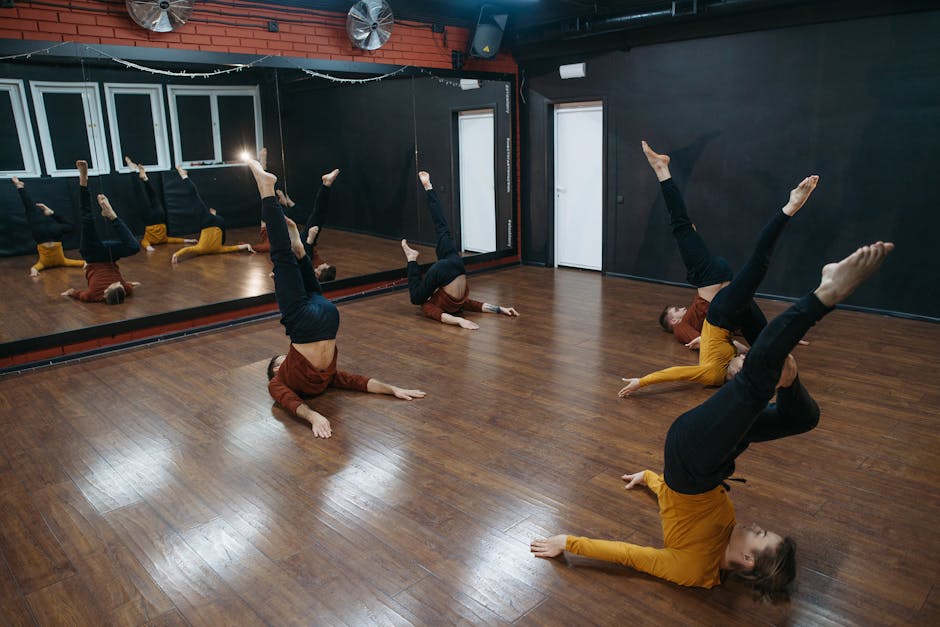
Building a dance vocabulary starts with understanding how your body moves through space. These fundamental movements form the foundation of nearly every dance style and become second nature with consistent practice.
Side-to-Side Steps and Weight Transfer
The side-to-side step is one of the most versatile movements in dance. Start by standing with your feet together, then step to the side with your right foot. Bring your left foot to meet it, transferring your weight smoothly from one leg to the other. The key to mastering this movement lies in proper weight transfer—commit fully to each step by placing your entire weight on the stepping foot before moving to the next. Practice this step-touch technique continuously, keeping your knees slightly bent and your upper body stable while your legs do the work.
Forward and Backward Movement Patterns
Moving forward and backward with confidence requires body awareness and balance. The two-step provides an excellent starting point: step forward with your right foot, then bring your left foot to meet it. When moving backward, step back while keeping your torso upright and avoid leaning too far back. The box step combines forward, side, and backward movements into one cohesive pattern—step forward with your right foot, step to the side with your left foot, step back with your right foot, then bring your left foot to meet it, creating a square shape on the floor.
Integrating Upper Body and Arm Movements
Dance becomes truly dynamic when your entire body participates. Your arms should complement your footwork rather than hanging stiffly at your sides. Let your arms swing naturally as you move—when stepping to the right, allow your left arm to swing slightly forward. Keep your shoulders relaxed and down, away from your ears, with elbows slightly bent. Coordinate your arms with your torso movements for maximum impact. The bounce, a fundamental move where you bend your knees rhythmically to the beat, engages your core and teaches rhythm while keeping movements loose and natural.
Posture and Body Alignment
Proper posture transforms basic steps into polished dance movements. Stand tall with your spine elongated and your core engaged. Imagine a string pulling the crown of your head toward the ceiling. Your center of gravity should remain consistent throughout most movements. This stable core allows your limbs to move freely while maintaining control. Use a mirror when possible to observe your movements and make corrections, paying attention to how your weight distributes across your feet and how smoothly you transition between positions.
Adding Pivots and Twists for Style
Short pivots and twists add personality to basic movements without requiring advanced technique. A simple pivot involves turning on the ball of one foot while the other foot steps around. Start with quarter turns, rotating 90 degrees to face a new direction. The twist demonstrates how torso movement creates visual interest—stand with feet shoulder-width apart and shift your weight from foot to foot while rotating your torso. Combine these elements by incorporating small pivots between your basic steps, transforming straightforward movements into something more dynamic and engaging.
Step by Step: 10 Easy Moves to Get You Started
Building a solid foundation in dance begins with mastering individual moves that work across multiple styles. These beginner-friendly steps require no prior experience and can be learned in minutes.
The Two-Step: Your Foundation Move
The Two-Step forms the backbone of countless dance styles. Start with your feet together, then step to the side with your right foot. Bring your left foot to meet it, creating a smooth, rhythmic pattern. Repeat this sequence to the other side, letting the music dictate your tempo. This move works equally well in country, hip-hop, and ballroom settings.
The Grapevine: Adding Movement and Flow
The Grapevine introduces lateral movement with a playful twist. Step to the side with your right foot, then cross your left foot behind it. Step to the side with your right foot again, bringing your left foot to meet it. This move adds dimension to your dance repertoire, allowing you to travel across the floor with style. Practice in both directions to develop balanced coordination.
The Woah: Contemporary Energy
The Woah emerged from hip-hop culture and brings instant contemporary flair to any routine. Start with your arms bent at chest level. Push your hands forward quickly while pulling your torso back slightly. The opposing forces create the signature Woah effect. Timing is crucial, so practice hitting the move on specific beats in your favorite tracks.
The Running Man: Dynamic Expression
The Running Man delivers high energy without requiring complex footwork. Lift your right knee while sliding your left foot back. As you lower your right foot, lift your left knee and slide your right foot back. The motion mimics running in place while moving backward. Focus on smooth transitions between steps rather than jerky movements.
The Shoulder Lean: Hip-Hop Style
The Shoulder Lean brings hip-hop attitude to your movement vocabulary. Stand with feet slightly wider than shoulder-width, arms hanging naturally in front. Lean your right shoulder to the right, using your hips as a pivot point. Alternate by leaning your left shoulder to the left. Your torso provides support while your hips drive the movement.
The Box Step: Classic Elegance
The Box Step offers a structured pattern perfect for partner dancing or solo practice. Step forward with your right foot, then bring your left foot forward. Step to the side with your right foot, bringing your left to meet it. Step back with your right foot, followed by your left, completing the box shape. Keep your movements smooth and deliberate, maintaining consistent spacing between steps.
The Body Roll: Smooth Transitions
The Body Roll emphasizes control over flashy movements. Start by lifting your head slightly, then roll the motion through your chest, stomach, and finally your hips. This move requires core strength and body awareness. Practice slowly at first, isolating each section of the movement.
| Dance Move | Difficulty Level | Best Music Style | Key Focus Area |
|---|---|---|---|
| Two-Step | Beginner | Country, Hip-Hop | Rhythm & Timing |
| Grapevine | Beginner | Pop, Dance | Lateral Movement |
| The Woah | Easy-Intermediate | Hip-Hop, Trap | Sharp Contrast |
| Running Man | Beginner | Electronic, Upbeat | Smooth Transitions |
| Shoulder Lean | Beginner | Hip-Hop, R&B | Hip Control |
| Box Step | Beginner | Ballroom, Slow | Posture & Spacing |
| Body Roll | Intermediate | R&B, Contemporary | Body Isolation |
Mastering these moves creates a versatile foundation for social dancing. Each step builds confidence while offering creative freedom to develop your personal style. Practice regularly, focusing on one or two moves per session until they feel natural and effortless.
Navigating the Dance Floor with Ease
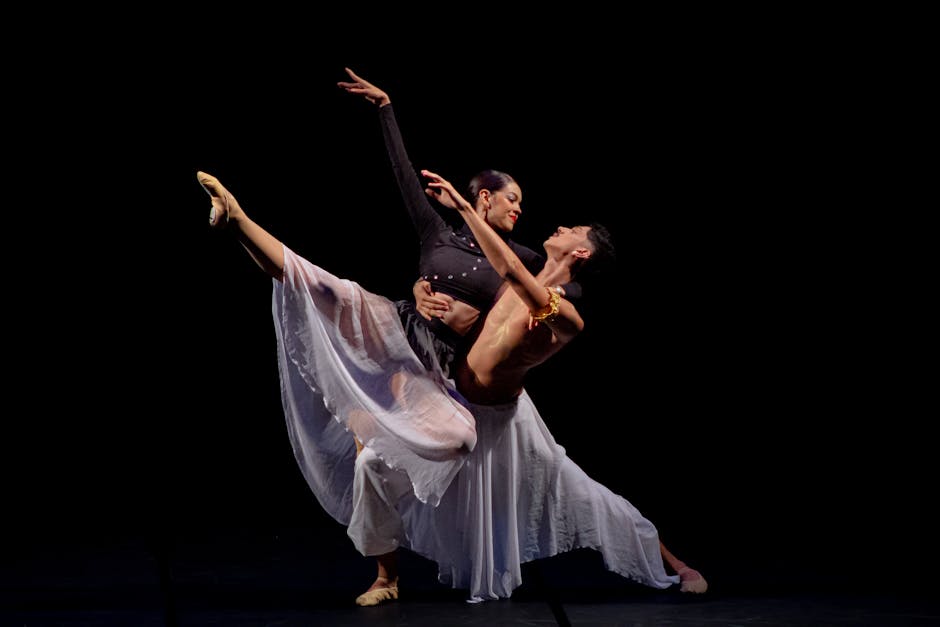
Moving across a dance floor requires more than just knowing the steps. It demands spatial intelligence and an awareness of your surroundings that transforms hesitation into fluid motion. Whether you’re at a crowded wedding reception or practicing in an open studio, understanding how to navigate space confidently makes all the difference between looking stiff and moving naturally.
Spatial awareness functions as your internal GPS on the dance floor. This skill helps you judge distances, avoid collisions, and position yourself effectively in relation to other dancers. When you develop strong spatial awareness, you can execute traveling movements with purpose rather than shuffling aimlessly. Your body learns to sense where others are without constantly looking around, freeing you to focus on rhythm and technique.
Building Spatial Intelligence Through Practice
Start by exploring different pathways across the floor. Walk in straight lines, then try spirals, zigzags, and circles to map out various floor patterns. Each pathway challenges your brain to process space differently and builds your confidence in moving through unfamiliar territories. Practice these patterns while counting aloud to sync your movement with rhythm, creating a mental framework for more complex choreography later.
Roll, slide, or crawl during practice sessions to develop a three-dimensional understanding of space. Floorwork techniques force you to engage with levels beyond standing height, expanding your spatial vocabulary. These movements teach your body to use momentum for smooth transitions rather than fighting against gravity. As you practice, notice how each traveling technique requires different spatial considerations and adjust accordingly.
Respecting Space in Group Settings
Personal space becomes critical when dancing near others, especially during movements that extend beyond your kinesphere. Kicks, jumps, and turns need adequate clearance to execute safely without impeding fellow dancers. Think about how your limbs travel through space during these movements and give yourself enough room to complete them fully. Maintaining awareness of your reach prevents accidental collisions and allows everyone to move freely.
Keep slight diagonal positioning or stagger your placement when dancing in groups. Even small adjustments create breathing room that lets each person move without restriction. Use your peripheral vision to track others rather than relying solely on mirrors or direct glances. This skill translates directly to social dancing situations where formations shift constantly and you need to adapt quickly to changing spatial arrangements.
Mastering Directional Changes and Coordination
Directional changes test your ability to maintain balance while shifting your pathway. Practice pivoting smoothly between different orientations without losing your center of gravity. Your arms and shoulders should complement your footwork during these transitions, creating visual coherence across your entire body. When your upper body moves in harmony with your legs, directional changes appear intentional rather than reactive.
Link different traveling movements together to build fluid sequences. Try combinations like slide-rise-crawl or step-turn-walk to practice moving seamlessly between techniques. These transitions challenge your coordination and spatial processing simultaneously. As you repeat these patterns, your body develops muscle memory for navigating space efficiently, and the movements begin to feel natural rather than calculated.
Adapting to Different Floor Conditions
Floor surfaces dramatically affect how you move and the techniques you choose. Sticky floors may require adjusting your footwear or modifying sliding movements to prevent excessive resistance. Slippery surfaces demand more controlled weight shifts and careful placement to maintain stability. Being mindful of these conditions helps prevent unnecessary strain on your joints and reduces the risk of slips or falls.
Practice in various environments to build adaptability. Dance in your living room, try outdoor spaces, or attend different venues to experience how spatial dynamics change. Each setting presents unique challenges that force you to recalibrate your spatial awareness. This versatility ensures that when you encounter unfamiliar dance floors, you can adjust your approach quickly and maintain confident movement regardless of the circumstances.
Your Dance Journey: A Continuous Path
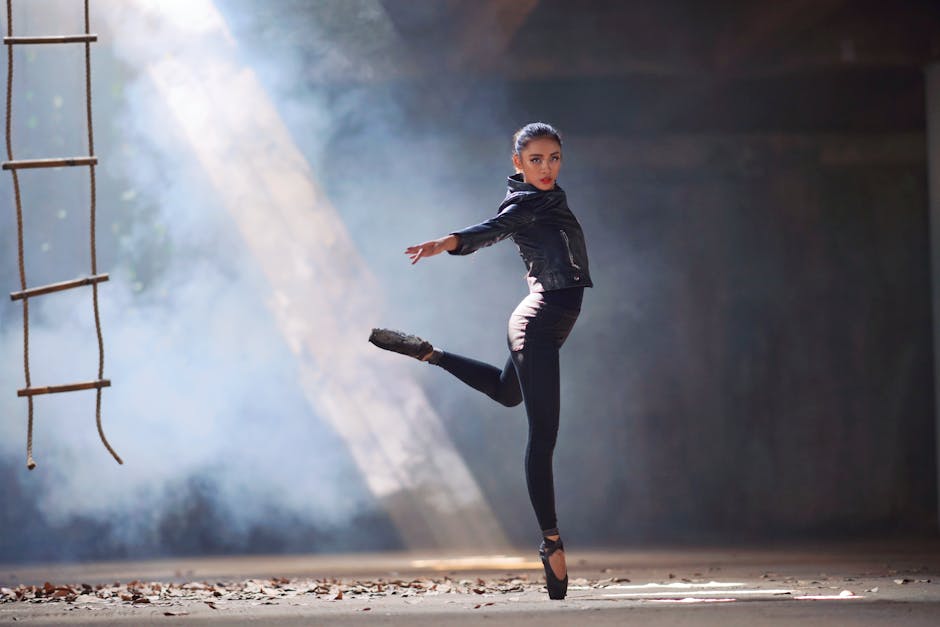
Learning to dance is an evolving endeavor, marked by personal growth and joyful experiences. Building confidence in dance takes time, and every beginner should give themselves grace while becoming comfortable with new skills and choreography. The more dedication you put into practice, the more natural and fulfilling each step becomes.
Becoming a confident dancer involves patience and regular practice. Start with the fundamentals and practice these techniques until they become second nature. When you understand the technical aspects of dancing, your confidence in performing any move will grow naturally. Remember that mistakes are not failures but a natural part of the learning process. Even experienced dancers continue to learn and refine their technique throughout their journey. Celebrate small victories along the way, whether it’s nailing a basic step or simply showing up to practice. Dance transforms by mirroring your emotions in movement, bringing both happiness and satisfaction to your life.