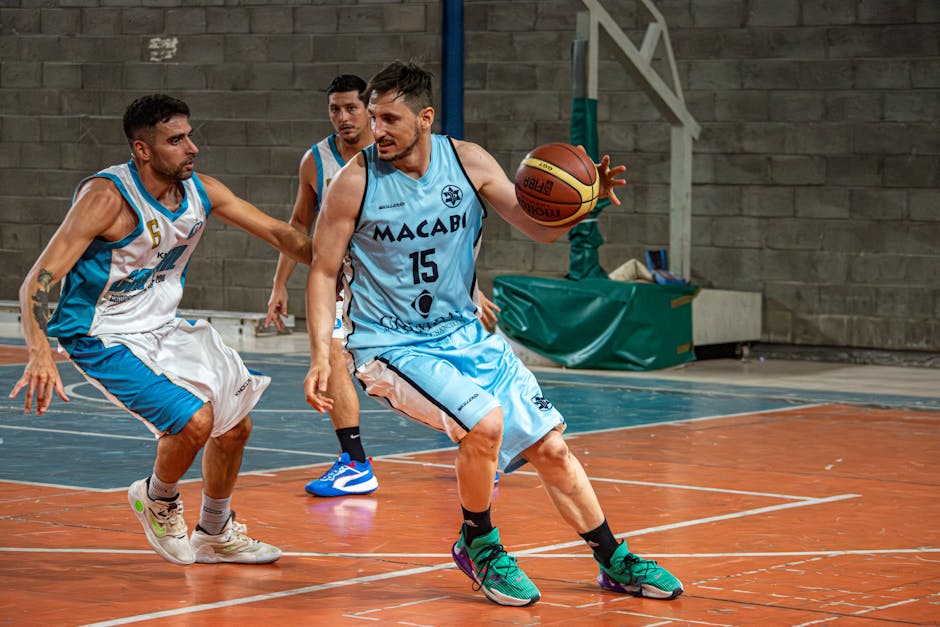
Defense can make or break a basketball game. While spectacular dunks and three-pointers draw cheers from the crowd, the final score often depends on a team’s ability to stop opponents from scoring. Even when shots aren’t falling on offense, strong defensive basketball techniques keep teams competitive and create opportunities to win. Mastering how to play defense in basketball separates good players from great ones.
This guide covers essential defensive strategies that every player needs. From fundamental positioning to active hand movement, these basketball defense fundamentals provide the foundation for shutting down opponents. Whether you’re new to the game or looking to sharpen your skills, developing a defensive edge transforms your overall impact on the court and contributes directly to your team’s success.
“`json
{
“output_html”: “
Mastering Defensive Stance and Positioning
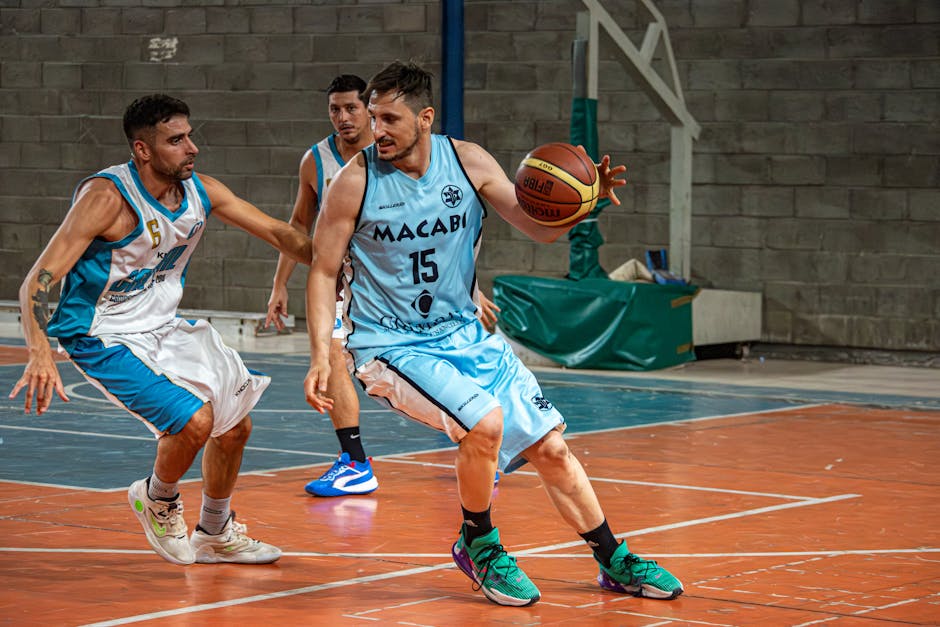
Great defense starts with how you position your body. Your stance determines whether you can react quickly to an opponent’s moves or get beaten off the dribble. A proper defensive stance creates the foundation for everything else you’ll do on defense.
Building Your Defensive Stance
Start by positioning your feet shoulder-width apart. This width provides the balance you need to move in any direction without losing control. Bend your knees comfortably, staying low enough to react quickly but not so low that your legs tire out within minutes. Keep your weight on the balls of your feet rather than your heels. This simple adjustment dramatically improves your reaction time when an offensive player changes direction.
Your upper body matters just as much as your feet. Keep your chest up and your back relatively straight. Focus your eyes on the opponent’s chest area, not the ball. Players can fake with the ball or their head, but their chest reveals where their body is actually going. Hand positioning completes your stance. Keep both hands active and ready. One common technique involves keeping your hand up on the side where the opponent is dribbling, with your other hand ready to disrupt passing lanes.
Positioning Yourself Between Player and Basket
Your primary goal is simple: stay between your opponent and the basket. This positioning principle, often called being “ball-you-man,” forces offensive players to take harder shots or make riskier passes. Use the court’s boundaries as natural allies in your defense. When an offensive player dribbles toward the sideline or baseline, these lines become additional defenders. Always maintain sight of both the ball and your assigned player. Watch for tendencies in how your opponent moves or dribbles. Recognizing these patterns helps you position yourself to cut off their strongest options.
Common Mistakes to Avoid
Standing on your heels instead of the balls of your feet is perhaps the most common mistake. This stance kills your lateral quickness and makes you vulnerable to quick changes of direction. Without bent knees, you cannot maintain the low center of gravity needed for effective defense. Reaching with your hands instead of moving your feet causes unnecessary fouls. Use your feet to slide and recover your position. Crossing your feet while sliding is another critical mistake. When moving laterally, push off your inside foot to generate movement. Keep your feet from crossing over each other. Practice the push-step slide motion until it becomes automatic.
| Stance Element | Correct Technique | Common Mistake |
|---|---|---|
| Feet Position | Shoulder-width apart, on balls of feet | Too narrow or standing on heels |
| Knee Bend | Comfortably bent, low center of gravity | Legs too straight, standing upright |
| Hand Position | Active and ready, one up to contest | Hands down or reaching excessively |
| Eye Focus | Watch opponent’s chest | Watching the ball or feet only |
| Court Position | Between player and basket | Too far to one side, poor angles |
Developing Your Defensive Movement
Defensive slides form the core of your footwork. These lateral movements let you stay in front of ball handlers without losing your defensive position. The zig-zag drill helps build this skill by having you slide diagonally toward spots up the court while maintaining your stance. Closeout drills teach you how to approach shooters under control. Sprint toward the shooter, then use short choppy steps as you get close. Throw your hand up to contest without leaving your feet. Staying grounded with a hand up disrupts shots far more effectively than wild jumping attempts.
”
}
“`
“`json
{
“output_html”: “
Man-to-Man Defense: Key Principles and Execution
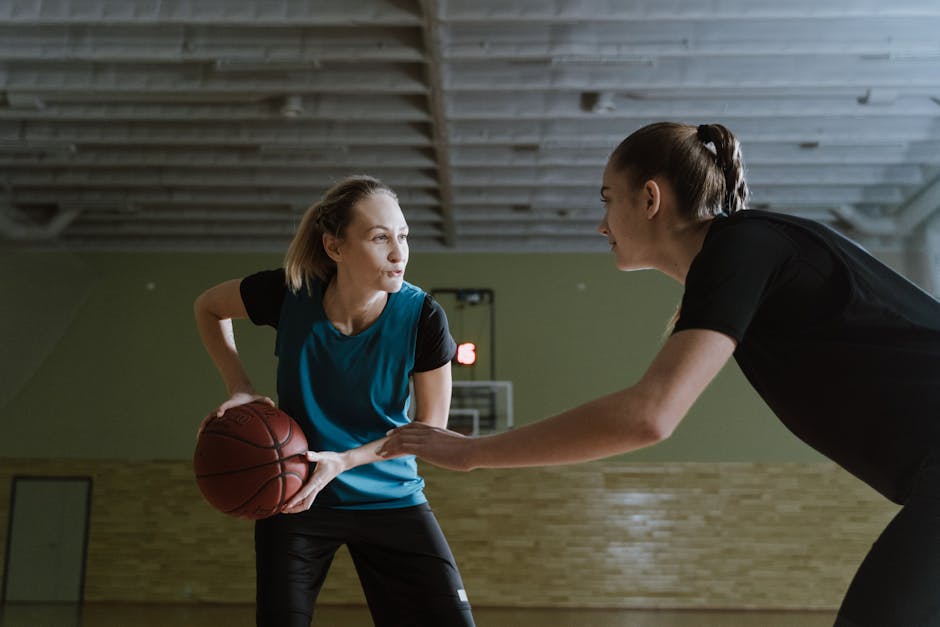
Man-to-man defense assigns each defender a specific opponent to guard throughout the possession. This approach demands constant vigilance as players must track their assignment while remaining aware of the ball’s location. The foundation begins with a strong athletic stance: knees bent, feet shoulder-width apart, and weight balanced on the balls of the feet.
On-Ball Defense Fundamentals
When guarding the ball handler, defenders should position themselves approximately one arm’s length away from the basketball. One hand stays high to contest potential shots while the other stays low to defend against dribble penetration. Effective on-ball defenders work to keep the ball handler on one side of the court, forcing them toward the sideline or baseline to limit passing angles. The sideline becomes an additional defender, creating a natural trap. Defenders must use quick shuffle steps rather than crossing their feet to maintain balance and prevent getting beaten off the dribble.
Defensive Communication and Teamwork
Communication stands as the cornerstone of successful man-to-man defense. Three fundamental principles guide effective defense: talk early, talk loud, and talk often. Screen navigation represents a critical moment demanding clear communication. When an offensive player sets a screen, the defender guarding the screener must alert teammates immediately by calling out “screen left” or “screen right.” This early warning allows the on-ball defender to prepare and decide whether to fight over the screen or execute a switch.
| Communication Type | When to Use | Key Phrases |
|---|---|---|
| Screen Calls | Before screener makes contact | “Screen left,” “Screen coming,” “Switch” |
| Help Alerts | When teammate gets beaten | “Help,” “I got ball,” “Rotate” |
| Transition Defense | Change of possession | “Get back,” “Find your man,” “Match up” |
| Passing Lane Denial | One pass away positioning | “Deny,” “No middle,” “Baseline” |
One Pass Away Positioning
Defenders guarding players one pass away from the ball must establish denial defense. This positioning requires maintaining sight of both the basketball and the assigned opponent simultaneously, creating what coaches call the “ball-you-man” triangle. The denial stance places one arm directly in the passing lane between the ball handler and the offensive player, disrupting vision and making entry passes significantly more difficult. Quick footwork allows defenders to deny the ball without getting backdoor cut.
Dynamic Positioning and Help Defense
Man-to-man defense requires constant position adjustments as the ball moves. Defenders two passes away shift into help position, ready to rotate if a teammate gets beaten. This help-side positioning protects the basket while still maintaining awareness of individual assignments. When providing help defense, players must execute quick recovery moves to return to their original assignment. Defenders anticipate offensive movements by reading the ball handler’s eyes, body position, and dribble patterns.
Shot Contesting and Possession Mindset
Every defensive possession matters, requiring players to contest all shots without allowing open looks. Defenders must close out under control when the ball swings to their man on the perimeter. Running full speed toward a shooter often results in pump-fake fouls or easy drive opportunities. Instead, defenders sprint to shooting range then break down into a controlled stance with one hand challenging the shot. The non-negotiable standard holds that defense demands effort on every single possession.
”
}
“`
Effective Team Defense Strategies and Communication
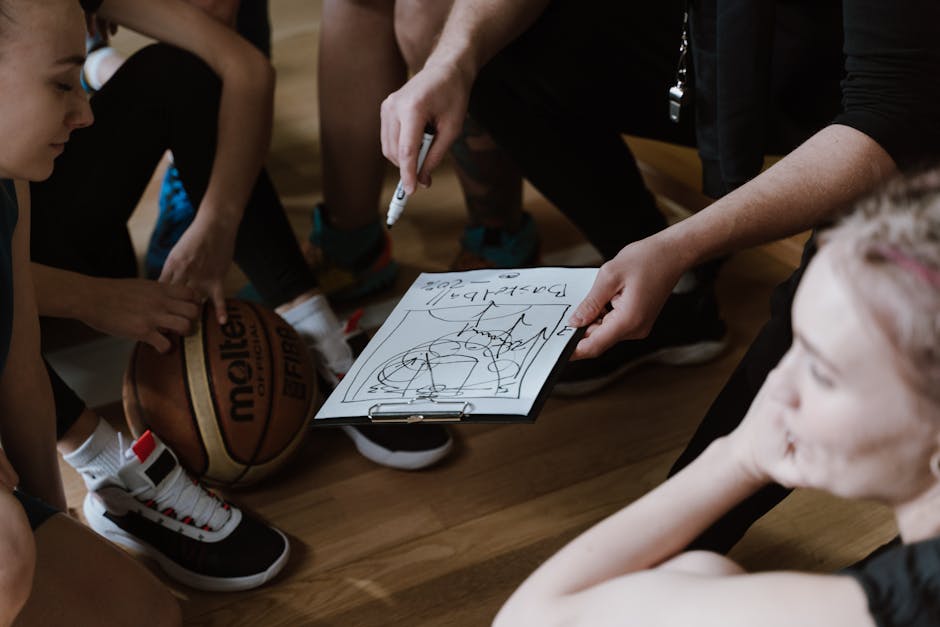
Team defense transforms individual skills into collective strength. When players understand their roles within the defensive system, they turn pressure into turnovers and rotations into second-chance stops. The foundation of this unity begins with constant communication and precise positioning.
Building Defensive Unity Through Communication
Verbal communication separates mediocre defenses from dominant ones. Players must talk throughout every possession, calling out screens, rotations, and ball location. Short, sharp calls like “ball,” “help,” or “rotate” keep everyone connected without creating confusion. In scramble situations where defenders find themselves outnumbered, communication becomes the lifeline that holds the defense together until rotations complete.
The 45 Scramble Down drill tests this principle by forcing five offensive players against four defenders initially. The fifth defender enters after a delay, creating immediate pressure on the remaining four to communicate and cover multiple threats. This drill replicates real-game breakdowns like missed assignments or late recoveries from transition. Defenders learn to anticipate rather than simply react, calling out assignments before they break down. Coaches can track communication effectiveness by counting calls per possession during practice, reinforcing the habit until talking on defense becomes automatic.
Mastering Help Defense and Rotation Principles
Defenders positioned two passes away from the ball create a zone-like shield that protects the paint. These help defenders must maintain awareness of both their assigned player and the ball handler. They sag toward the middle, ready to stop penetration while staying close enough to recover on skipped passes. This positioning disrupts offensive flow and forces opponents into longer, more contested shots.
The Overload Scramble drill builds rotation habits through a 4-on-3 advantage for the offense. Someone will always be open in this setup, forcing defenders to prioritize based on ball location and offensive threats. The defender nearest the ball shades toward the drive, while the help-side defender sags back to protect the basket. As passes move the ball, defenders must scramble to new positions, sprinting to closeouts and recovering quickly. Effective closeouts require controlled speed—defenders sprint toward their assignment but stop short to prevent easy drives, contesting shots without fouling or allowing penetration.
Handling Screens and Scramble Situations
Down screens present unique challenges in team defense. Offensive players use these screens to free shooters, creating quick catch-and-shoot opportunities. Defenders must fight through screens without fouling, using techniques like lock-and-trail to stay attached to shooters. When fighting through isn’t possible, switching with purpose keeps offensive players from getting clean looks.
The 45 Scramble Down drill provides repeated reps of down screen situations under pressure. Because the offense sets screens before the fifth defender enters, timing and recognition become crucial. Defenders learn to call out screens early, allowing teammates to prepare their defensive approach. This proactive communication prevents late contests and reduces fouling on three-point attempts. Scramble mentality extends beyond screens to all disadvantaged situations, with the goal of making every possession as difficult as possible through smart positioning, relentless effort, and constant communication.
Creating Ball Pressure Without Fouling
Consistent ball pressure disrupts offensive rhythm and creates turnover opportunities. On-ball defenders apply pressure through active hands and quick feet, forcing ball handlers into uncomfortable decisions. This pressure must remain disciplined—reaching or overcommitting leads to fouls that give opponents free points and momentum.
Help defenders support this pressure by closing passing lanes and preparing to stop penetration. When the ball handler attacks, the nearest help defender must step up immediately while communicating the rotation to teammates. Other defenders rotate one pass over, creating a chain reaction that maintains defensive coverage. Strategic positioning also allows defenders to draw charges on aggressive drives, shifting momentum and creating extra possessions without requiring perfect shot contests.
The Role of Effort and Mindset in Defensive Mastery
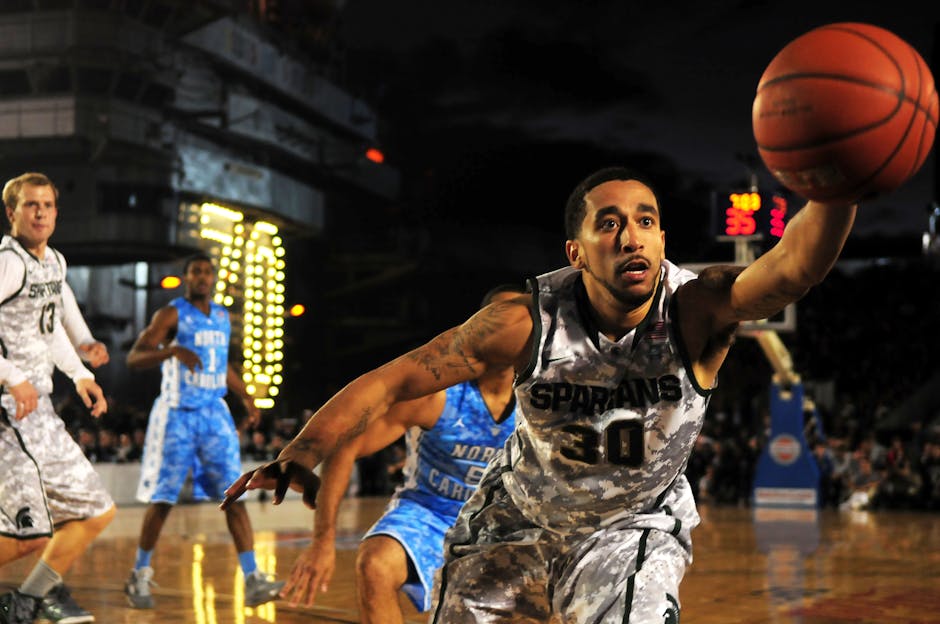
Defense demands more than physical ability. It requires an unwavering commitment to effort and a mindset built on resilience. While offensive talent often grabs headlines, championship teams understand that defense provides the foundation for sustained success. Players who embrace defensive responsibility create opportunities for their teams even when shots aren’t falling.
The Psychology of Defensive Intensity
A strong defensive mindset begins with accepting that effort is controllable. Unlike shooting percentages or scoring droughts, defensive intensity remains within a player’s direct influence. Coaches can’t guarantee that three-point shots will fall, but they can absolutely control the energy their team brings on defense. Focused defenders develop predictive anticipation through constant attention to detail. They study opponents’ tendencies, recognize offensive patterns before they fully develop, and position themselves to disrupt plays. This heightened awareness transforms defense from reactive scrambling into proactive disruption. The psychological edge that defensive prowess creates extends beyond individual possessions. Teams known for defensive excellence win mental battles before games even begin. Opponents approach matchups against defensively dominant teams with hesitation, already doubting their ability to execute their game plan effectively.
Effort as the Great Equalizer
Defensive effort levels the playing field in ways that offensive talent cannot. A player with limited shooting ability can still impact winning through relentless defensive energy. Coaches reward players who consistently demonstrate defensive commitment with increased playing time, regardless of offensive production. Energy on defense becomes contagious within team environments. When one player dives for loose balls, battles through screens, and communicates assignments loudly, teammates respond by elevating their own intensity. This collective energy builds the cohesive defensive units that championship teams require. Teams that celebrate defensive possessions reinforce the value of effort-based contributions. Coaches who praise players for taking charges, boxing out, or making proper rotations send clear messages about priorities. By highlighting defensive achievements, coaches cultivate cultures where players take genuine pride in preventing baskets.
Building Defensive Resilience Through Continuous Adaptation
Defensive mastery requires ongoing learning and adjustment. Opponents constantly develop new offensive strategies, forcing defenders to evolve their approaches. Players who view defense as a skill requiring continuous refinement maintain effectiveness throughout their careers. Resilience on defense means maintaining focus even during offensive struggles. Games rarely feature perfect shooting performances. Defensive excellence provides stability during these periods, keeping games competitive until offensive rhythm returns. The championship mindset embraces defense as the defining characteristic of winning basketball. Defense offers the most dependable route to victory precisely because it depends on controllable factors like communication, positioning, and determination rather than variable elements like shooting percentages. Players who internalize these principles transform their impact on games. They understand that defensive excellence requires constant communication on screens, switches, and help-side rotations. Most importantly, they embrace defense not as a burden but as an opportunity to demonstrate their value and commitment to winning.
Conclusion: Cultivating a Defensive Legacy
Strong defense in basketball isn’t a luxury. It’s a necessity. By mastering the basics of positioning, communication, and effort, players lay the groundwork for personal and team success. Staying low, maintaining proper distance, and reacting quickly to offensive movements form the foundation of reliable defense. These fundamentals separate average players from those who consistently make an impact on the court.
Man-to-man skills form the staple of any defensive repertoire. Drills like the one-on-one closeout and 4 on 3 overload sharpen these abilities through repetition and pressure situations. As players hone these techniques, they discover that defense can outshine even the best offense on challenging days. It requires dedicated practice, but transforms players into key assets who create opportunities and secure triumphs for their teams.