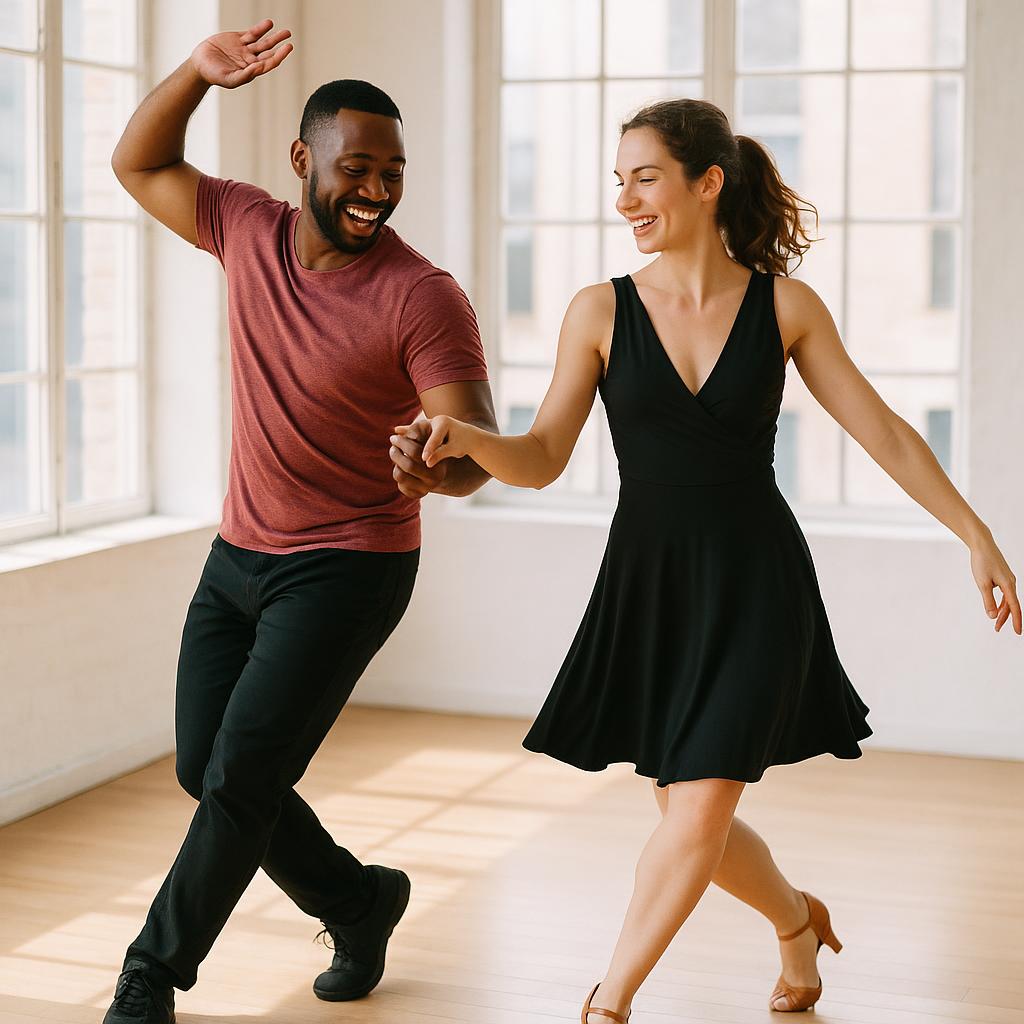
Whether you’re 18, 28, 48, or 68, starting dance as an adult beginner is completely achievable. Your goals don’t need to involve performing on stage. Many adults begin dancing for fitness, confidence, or simply to enjoy a new creative outlet. The key is choosing a style that genuinely excites you and matches your personal interests.
Adult beginner dance classes are structured differently from children’s programs. They move at a comfortable pace and focus on foundational techniques in a judgment-free environment. Ballroom offers social interaction with slow, controlled steps that are perfect for building confidence. Ballet develops posture, strength, and mobility through precise movements. Hip-hop brings high energy and creative self-expression with beginner-friendly moves. Each style serves different goals, so consider what you hope to gain from your dance journey. Remember that every skilled dancer once stood exactly where you are now, taking that first nervous step into class.
Mastering Rhythm and Beat: Your Dance Foundation
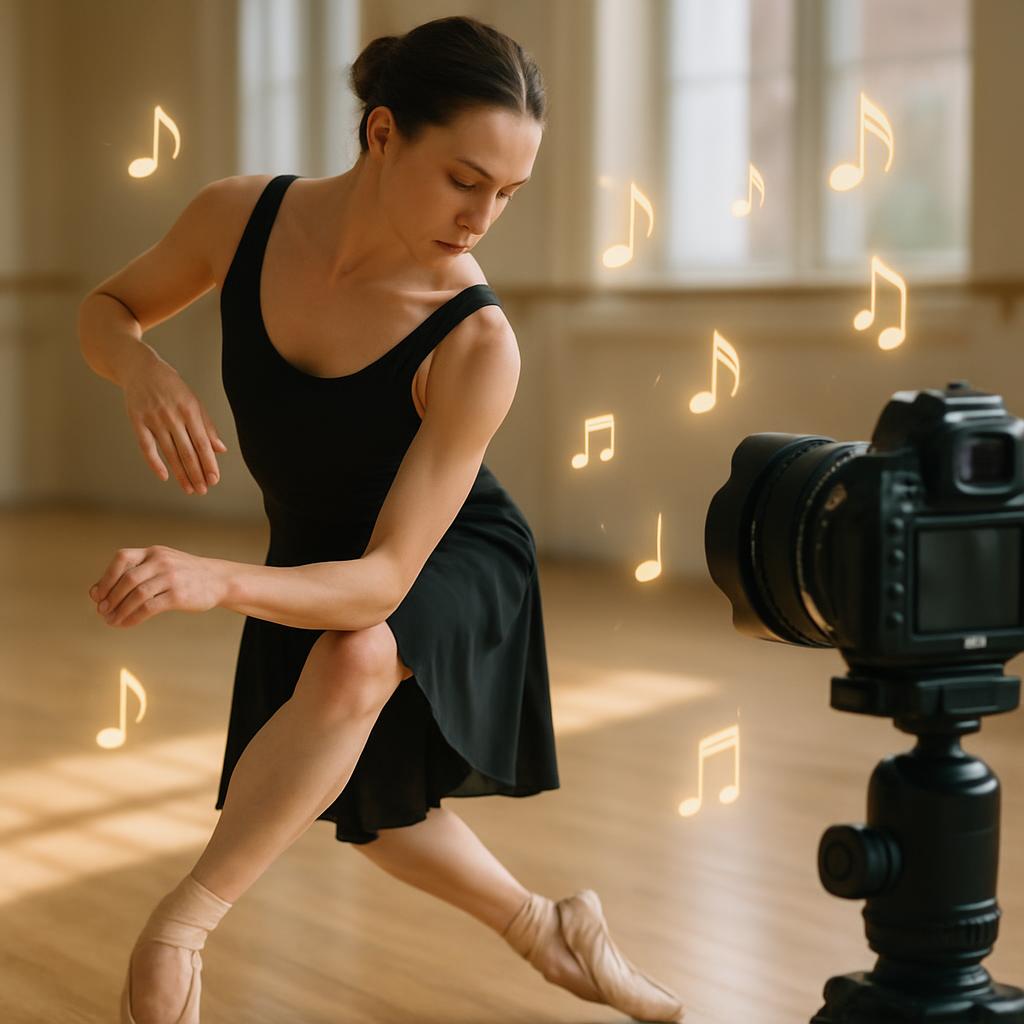
Understanding rhythm forms the foundation of every dance style. Before attempting complex choreography, dancers must learn to connect their movements with the music’s pulse. This connection starts internally, using your own heartbeat as a natural metronome. Finding your pulse in a quiet space and moving to it through snapping, tapping, or nodding establishes your first rhythmic reference point. Once comfortable with your internal rhythm, transitioning to music with a clear beat becomes significantly easier.
The next step involves active counting. Vocally counting beats from one to eight helps internalize timing three times faster than simply stepping along. This technique works because it engages both speaking and hearing, reinforcing the rhythmic pattern in your mind. Start by identifying the first beat of a song, then count aloud while tapping your foot or marching in place. This dual approach connects what you hear to physical movement, creating muscle memory that persists even when music changes tempo or style.
Practicing with slower music proves more effective for beginners than fast-tempo songs. Slow music exposes timing mistakes that faster beats often mask. Dancing to genres like Cha Cha Cha forces you to control each movement and emphasize pauses deliberately. Many beginners rush ahead of the beat, anticipating rather than responding to it. Training with slower tempos teaches you to move after hearing each beat, building precision that transfers seamlessly to faster music. This mirrors how musicians learn instruments, mastering control before attempting speed.
Essential Dance Moves for Beginners
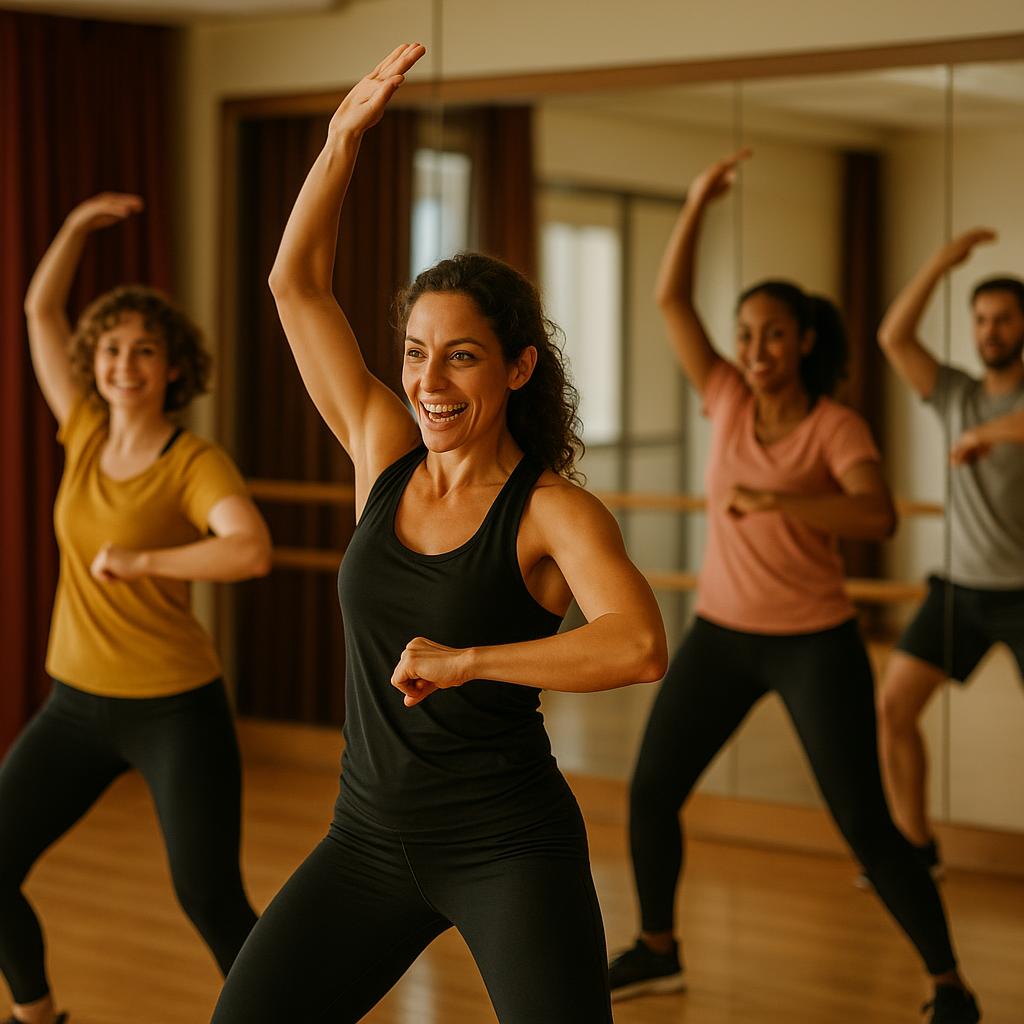
Starting with the right foundation makes all the difference in country dancing. The Two-Step and Grapevine are fundamental moves that every beginner should master first, forming the building blocks for more advanced patterns.
Mastering the Two-Step Pattern
The Two-Step follows a simple rhythm that travels around the dance floor. Begin by stepping to the right with your right foot. Bring your left foot close to meet it, then step right again. Repeat this pattern moving left: step left, bring the right foot close, and step left once more. This side-together-side motion is called a chasse in dance terminology. Practice this pattern slowly at first, counting “quick-quick-slow” to match the music. The movement should feel smooth and natural, not choppy or rushed.
Adding the Grapevine Step
The Grapevine introduces a weaving pattern that adds visual interest. Start by stepping to the right with your right foot. Cross your left foot behind the right, then step right again with your right foot. Finally, bring your left foot to meet the right. This cross-back-side-together sequence creates an elegant traveling motion across the floor.
Building Your Movement Vocabulary
Once you’re comfortable with these basic steps, add subtle styling elements. Incorporate rhythmic shoulder bounces on the beat and simple arm swings coordinated with your footwork for a more polished look. Regular practice builds the muscle memory needed for various dance styles. Master the fundamentals before attempting advanced sequences, and you’ll develop into a confident dancer ready for any social dance setting.
Developing Your Unique Dance Style
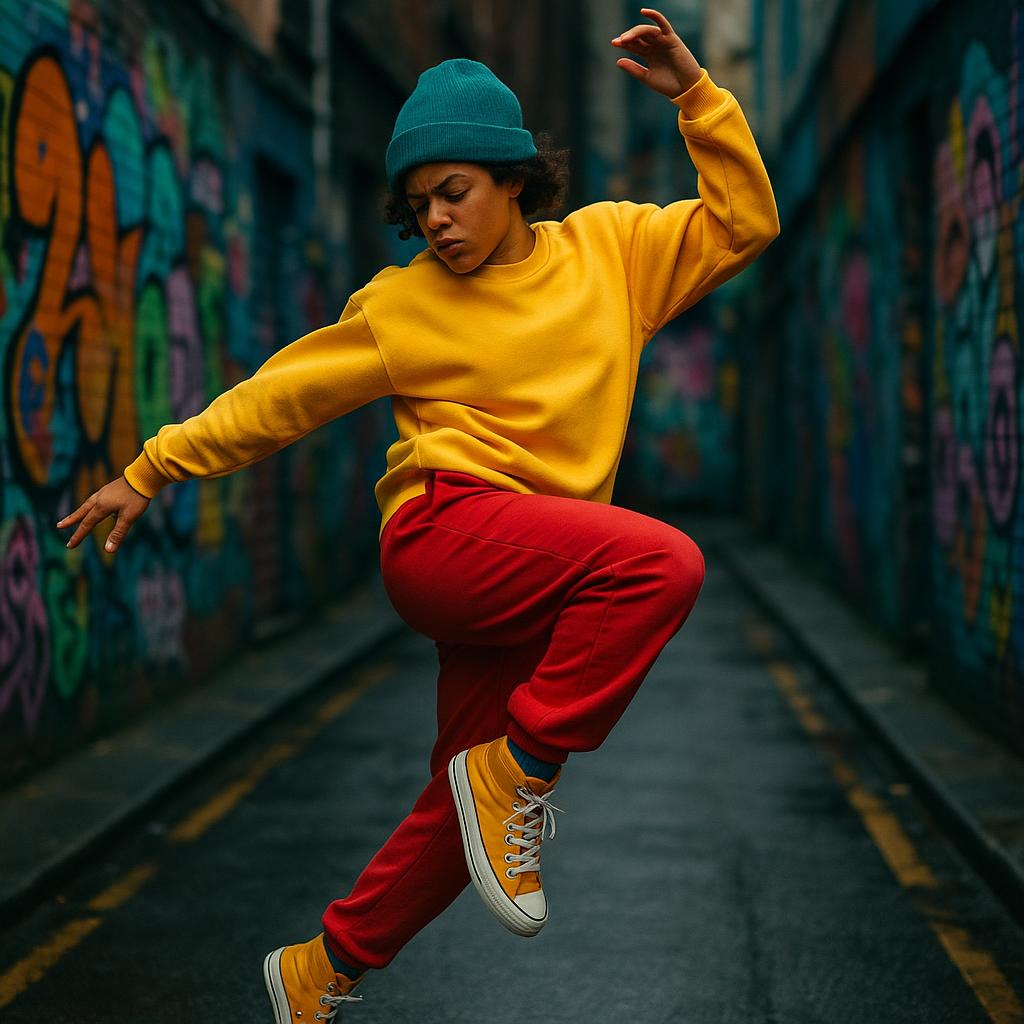
Your dance style already exists within you. The way you move and respond to music is as individual as your voice. The challenge isn’t creating something from nothing—it’s uncovering and refining what’s already there through intentional practice and creative expression.
Practice Alone to Discover Your Natural Movement
Working on your style in a crowded studio makes it hard to focus. Practicing alone removes these barriers so you can experiment freely without worrying about judgment. Set aside time each week to dance by yourself at home or in an empty studio. Let muscle memory take over and see how your body naturally responds to different rhythms. These solo sessions reveal patterns and preferences that define your personal dance style.
Customize What You Learn
Many dancers spend years learning techniques but never move beyond imitation. The transformation happens when you start customizing. Take a step or concept you’ve learned and ask yourself how to add your own flavor to it. Master the foundations first, then make them yours by changing the angle of a movement, adjusting the timing, or blending it with elements from another style. This customization process is where dance creativity flourishes and your identity as a dancer emerges.
Expose Yourself to Multiple Genres
Experimenting with different dance styles expands your movement vocabulary and body awareness. Try hip-hop one week, African dance another, or explore traditional forms you’ve never considered. Each genre offers unique rhythms, isolations, and ways of interpreting music. These experiences don’t dilute your style—they enrich it, creating depth and making your dancing more dynamic and expressive.
Exploring Various Dance Styles
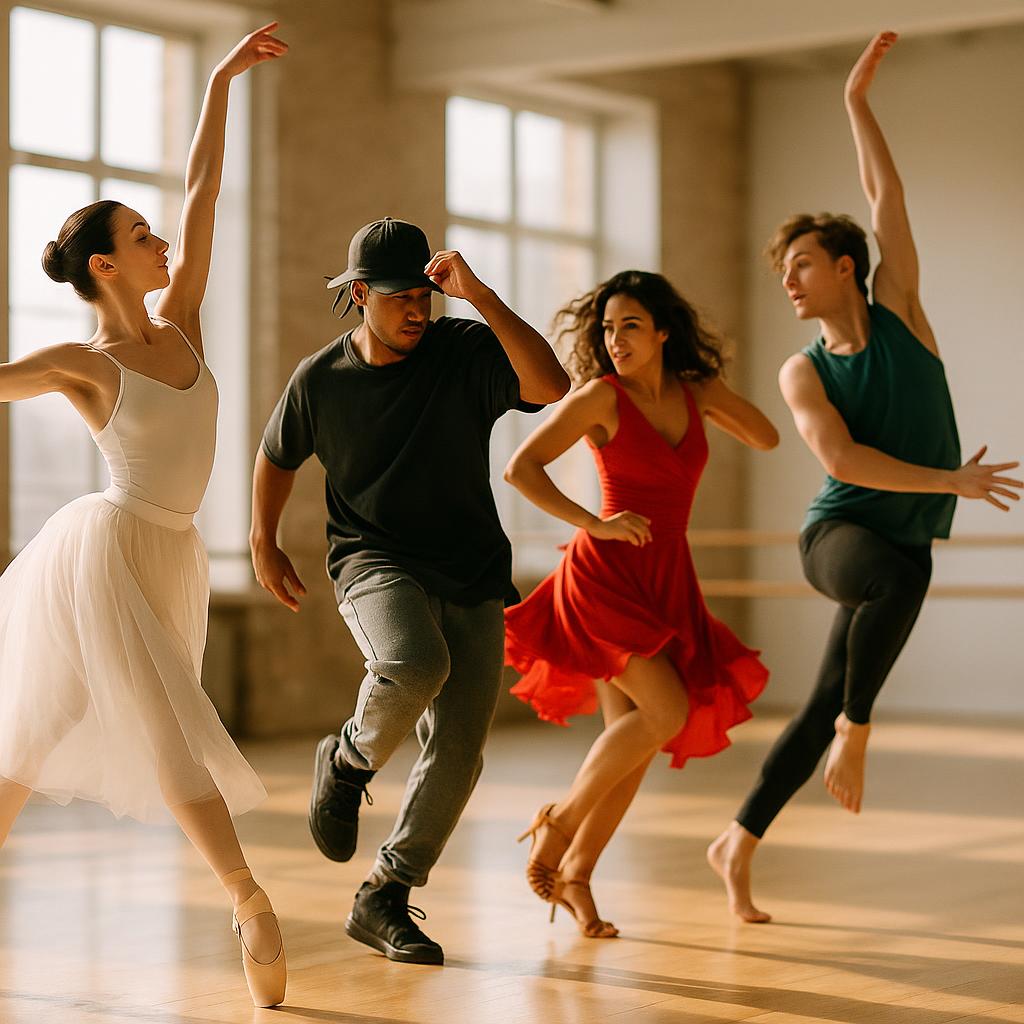
Dance styles range from casual party movements to structured partner dances, each offering distinct techniques and learning curves. For social settings, simple movements like swaying to the beat and hip circles keep dancers engaged without formal training. These foundational moves work across genres and help build confidence on any dance floor.
Structured styles like Salsa and Swing demand more coordination and timing but reward learners with elegant partner work and musical expression. Salsa dancing originated in New York City and follows an off-beat pattern guided by the clave. The basic Salsa step consists of forward and backward movements where dancers switch weight on every step. Men start by stepping forward with the left foot, then replace weight on the right, and close the left foot. Women begin by stepping back with the right foot, replacing on the left, and closing the right foot. Linear Salsa styles like New York and Los Angeles incorporate moves such as the cross body lead, where partners switch positions by stepping across each other’s path.
Swing dance focuses on side steps and rock steps that create dynamic partner exchanges. Both styles emphasize the connection between music and movement, requiring dancers to listen for rhythm patterns while executing footwork.
| Dance Style | Core Movements | Key Skills |
|---|---|---|
| Social/Party Dancing | Swaying, hip circles, weight shifts | Rhythm awareness, confidence |
| Salsa | Forward-back basic, cross body lead, turns | Timing, weight transfer, partner connection |
| Swing | Side steps, rock steps, partner rotations | Coordination, bounce, frame control |
Beginners often find success by matching their personality to a dance form. The learning process remains consistent across styles: master basic steps, develop muscle memory through repetition, and gradually add variations as confidence grows.
Embrace the Dance Journey: Practice Leads to Confidence
Confidence in dancing comes from consistent practice and a willingness to grow through each challenge. Building skill starts with mastering foundational steps and allowing yourself to explore personal expression within the music. Regular practice, whether in structured classes, at home, or in social settings, strengthens muscle memory and elevates self-esteem. The neurological pathways formed through repetition transform effort into instinct, making movements feel natural over time. This physical transformation mirrors an internal shift as dancers learn to trust their abilities and embrace their unique style.
Every dancer progresses at their own pace, and patience remains essential throughout the journey. Celebrating small victories, like nailing a challenging move or staying in rhythm through an entire routine, reinforces belief in personal capability. These moments of achievement extend beyond the dance floor, influencing how dancers approach other areas of life with greater confidence. The true fulfillment of dancing lies not in perfection but in the joy of expressing yourself through music and movement, connecting with your body, and discovering what you’re capable of achieving step by step.