Many people freeze up when music starts playing and everyone heads to the dance floor. You might worry about looking awkward or not knowing the right moves. Dancing is actually a fun and accessible activity for anyone, regardless of age or experience level.
At its core, dancing is simply moving your body to music in a way that feels good. It starts with finding the beat and letting your body respond naturally. The most important elements are rhythm and movement, not perfect choreography or complex footwork.
This guide will teach you simple, foundational dance basics to help you feel confident on any dance floor. By mastering a few easy dance steps, you can groove to any song and enjoy freestyle dancing. Whether you’re at a wedding, party, or just dancing at home, these beginner dance moves will boost your dance confidence and get you started with the freedom of movement.
What Are the Basic Moves for Freestyle Dancing?
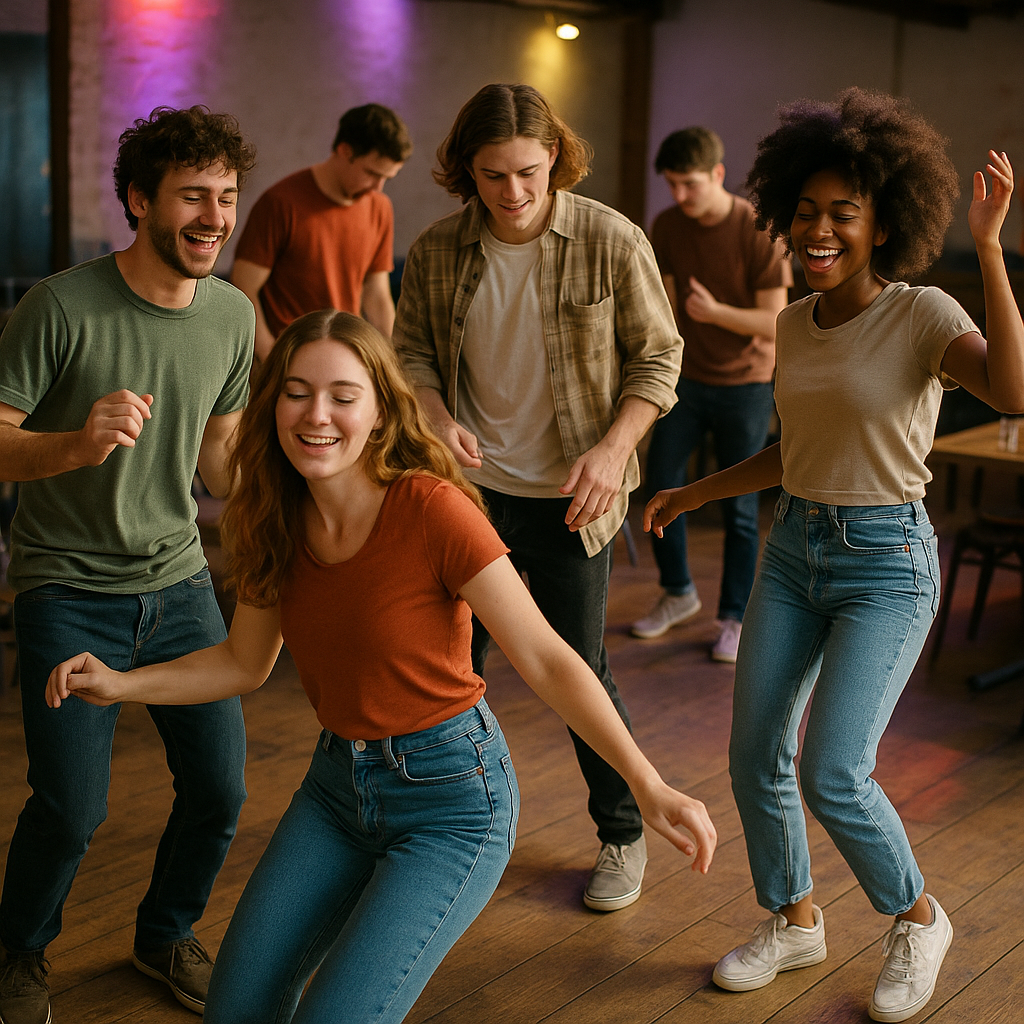
The foundation of freestyle dancing lies in connecting with the music’s rhythm, typically anchored by the drums and bass line. Start by simply nodding your head to the beat or stomping your foot in time with the music. This initial connection creates the timing framework that guides all your subsequent body movement.
Once you’ve established the rhythm, introduce basic footwork through weight shifting between your feet. The step-touch represents one of the most fundamental dance moves, where you step to one side and then bring the other foot to meet it. Keep your knees slightly bent and loose throughout this movement to maintain fluid motion and prevent stiffness.
Hip action plays a crucial role in adding dimension to your freestyle dancing. Shift your hips in the direction of whichever foot you’re stepping onto, creating a natural flow that connects your lower body movement. This weight shifting technique helps your body move as one cohesive unit rather than isolated parts.
Your upper body contributes significantly to the overall visual appeal of your dance improvisation. Incorporate subtle twisting motions of your torso that complement your hip movements. This creates layers of movement that make your dancing appear more dynamic and engaging.
Arm movements offer endless creative possibilities for personal expression in freestyle dancing. Keep your hands either open or formed into loose fists to maintain relaxed, natural-looking gestures. Popular arm movements include “rolling the dice” motions, “mowing the lawn” sweeps, or “swinging an air lasso” in circular patterns.
The key to successful freestyle dancing involves letting the music dictate your movement choices rather than forcing predetermined choreography. Experiment with combining different basic moves while maintaining your connection to the beat. Focus on having fun and expressing yourself without worrying about achieving technical perfection.
How Do You Slow Dance with a Partner?
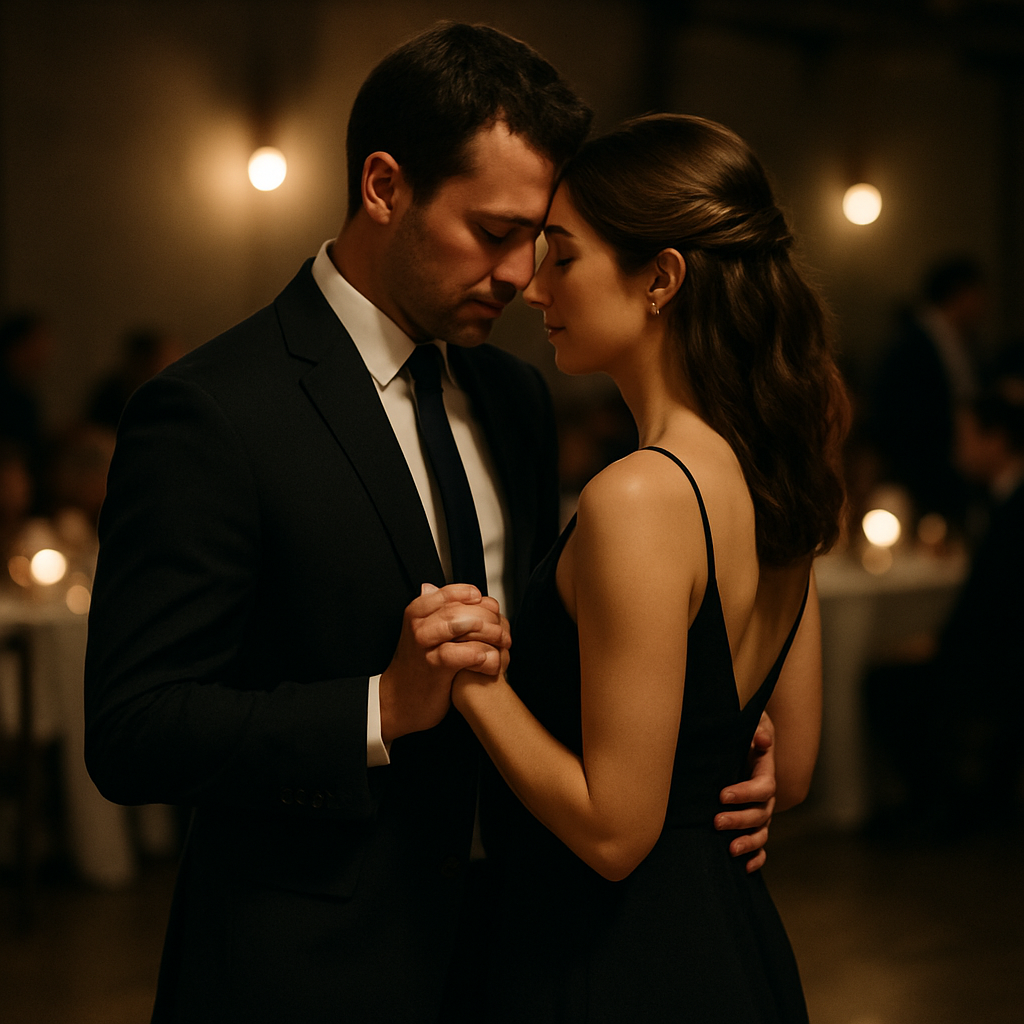
Slow dancing with a partner starts with establishing the proper partner position. The lead dancer places their right hand on their partner’s shoulder blade, creating a gentle but secure connection point. This placement provides control while maintaining comfort for both dancers.
The left hands interlock in a classic ballroom basics hold. Avoid gripping too tightly or interlacing fingers completely. A relaxed clasp allows for smooth transitions and turns throughout the dance.
Maintaining the right distance proves crucial for successful partner dancing. Keep approximately 3 to 6 inches between your bodies. This spacing provides room for movement while maintaining the intimate connection that defines slow dancing.
The basic step-touch pattern forms the foundation of slow dancing technique. Leaders step to the left with their left foot first. The right foot then meets the left foot in a controlled, deliberate motion. This creates the fundamental rhythm that drives the entire dance.
Reverse this pattern by stepping to the right with the right foot. Bring the left foot to meet it, completing the basic sequence. These simple movements create the swaying motion characteristic of slow dancing.
Leading in dance requires subtle hand communication to guide your partner around the dance floor. Use gentle pressure from your right hand on their shoulder blade to indicate direction changes. Simultaneously coordinate with your left hand to create unified movement.
Push slightly forward with your right hand when moving in that direction. Pull gently backward when retreating or changing course. These signals work in harmony with your stepping pattern to create fluid motion across the floor.
Dance floor etiquette involves reading your partner’s comfort level and responding accordingly. Some dancers prefer more space, while others enjoy closer contact. Pay attention to their body language and adjust your positioning as needed.
Timing your movements to the music’s beat elevates basic steps into actual dancing. Listen for the song’s rhythm and match your step-touch pattern to its tempo. Slower songs allow for more deliberate, romantic movements, while slightly faster ballads permit more energetic stepping.
Smooth, gliding movements distinguish elegant slow dancing from awkward shuffling. Avoid jerky or sudden motions that can throw off your partner’s balance. Instead, focus on continuous, flowing transitions between each step and direction change.
What Are Some Popular Dance Moves for Beginners?
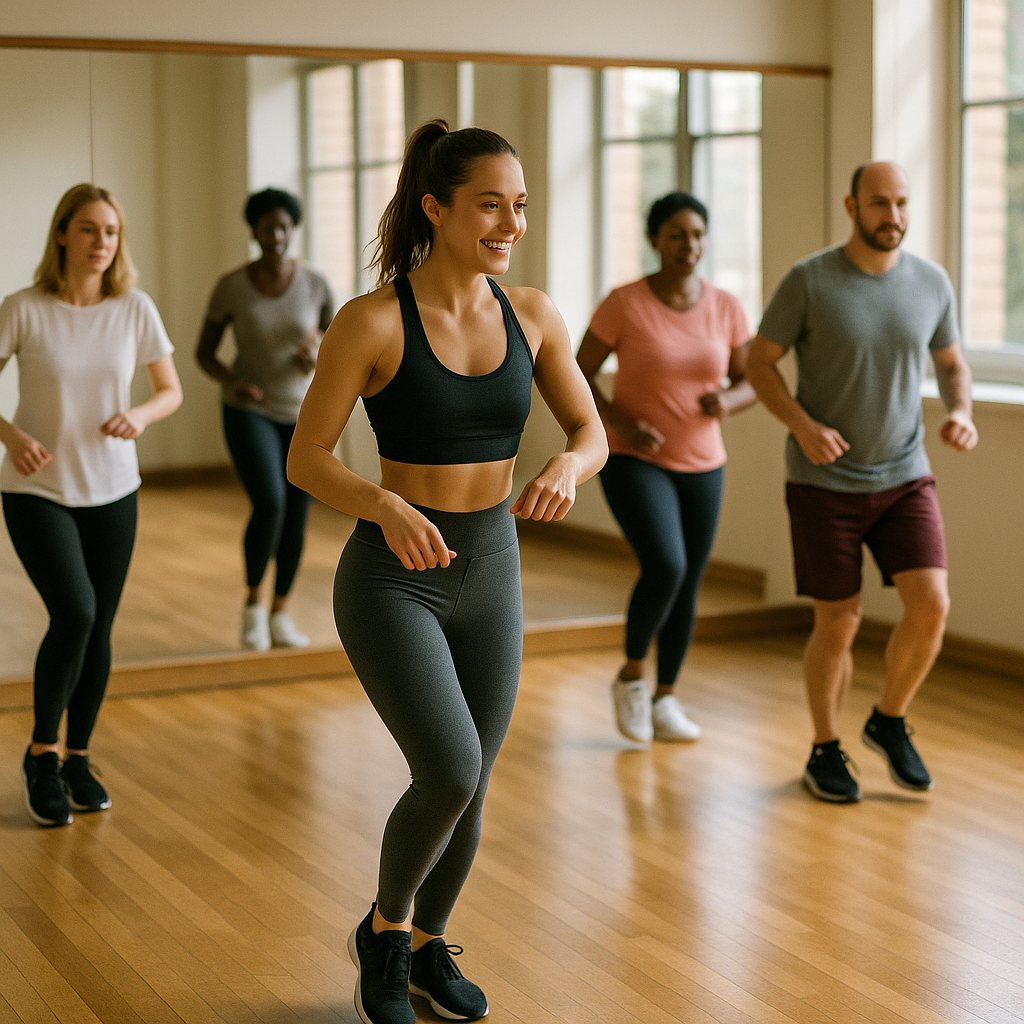
Learning to dance starts with mastering a few foundational moves that work across multiple music styles. These beginner-friendly dance moves provide the building blocks for more complex choreography while being simple enough to learn quickly.
Essential Basic Moves
The Two-Step stands as one of the most versatile dance moves for beginners. This simple side-to-side movement involves stepping to one side and bringing the other foot to meet it. The timing follows the music’s beat, making it easy to match any song’s rhythm. The Two-Step forms the foundation for many other dances, from country line dancing to club moves.
The Woah has become a viral sensation across social media platforms, particularly TikTok and Instagram Reels. This trendy move features a sharp locking arm motion that creates a dramatic visual effect. Dancers use the Woah to accent heavy bass beats in hip-hop and pop songs. The move involves crossing one arm over the other while shifting weight, creating that signature “locking” appearance.
Classic Hip-Hop Movements
The Running Man remains a timeless dance move that originated in the 1980s hip-hop scene. This move mimics the motion of running in place while staying stationary. Dancers lift their back foot and slide it backward while simultaneously lifting the front knee. The alternating leg pattern creates the illusion of running without forward movement. The Running Man works especially well with old-school hip-hop tracks and contemporary songs with strong beats.
The Dougie brings attitude and style to any dance floor. This move centers on shifting body weight from side to side while incorporating smooth shoulder movements. Dancers lean into each direction while keeping their movements controlled and confident. The Dougie gained mainstream popularity through the song “Teach Me How to Dougie” but works with various music genres beyond its hip-hop origins.
Expressive Body Movements
The Body Roll offers a sultry movement that emphasizes fluid spine control. This move starts by arching the back and pushing the hips forward. Dancers then roll their spine upward, moving one vertebra at a time to create a wave-like motion through the torso. The Body Roll requires slower, more deliberate movements compared to other beginner moves. It works particularly well with R&B, slow hip-hop, and sensual pop songs.
| Dance Move | Difficulty Level | Best Music Style | Key Body Focus |
|---|---|---|---|
| Two-Step | Beginner | All genres | Feet and legs |
| Woah | Easy | Hip-hop, Pop | Arms and upper body |
| Running Man | Beginner | Hip-hop, Electronic | Legs and coordination |
| Dougie | Easy-Intermediate | Hip-hop, Rap | Shoulders and attitude |
| Body Roll | Intermediate | R&B, Slow jams | Torso and spine |
These popular dance moves serve as building blocks for developing rhythm and confidence on the dance floor. Each move targets different muscle groups and coordination skills, allowing beginners to gradually build their dancing abilities. Practicing these moves slowly at first helps develop proper form before increasing speed to match faster songs.
How Can You Learn and Improve Your Dance Skills?
Structured Learning Through Dance Classes
Taking a dance class provides the most comprehensive approach to learning dance skills. In-person classes offer direct feedback from experienced instructors who can spot technique issues and provide immediate corrections. Dance instructors create structured lesson plans that build skills progressively, ensuring you master basic movements before advancing to complex choreography.
Online dance lessons have become increasingly popular, offering flexibility for busy schedules. Platforms like STEEZY Studio provide beginner-friendly courses with professional instruction that you can access anytime. These digital classes often include slow-motion features and replay options, allowing you to practice challenging moves repeatedly until you master them.
Group classes create a supportive learning environment where you can observe other dancers and gain confidence through shared experiences. The social aspect of group learning helps reduce performance anxiety while building connections with fellow dancers who share your passion for movement.
Learning Popular Moves Through Digital Platforms
Social media platforms like TikTok offer an endless library of viral dances and trending choreography. These short-form videos break down popular moves into digestible segments, making it easier to learn current dance trends. The replay feature allows you to watch movements in slow motion, helping you understand timing and body positioning.
YouTube provides more comprehensive dance tutorials with step-by-step breakdowns of complex routines. Many professional dancers and choreographers share detailed instruction videos that explain not just the moves but also the musicality and stylistic elements that make dances compelling.
The advantage of learning through digital platforms is the ability to practice at your own pace without feeling rushed or judged. You can repeat sections as many times as needed and practice in the comfort of your own space until you feel confident enough to perform the moves publicly.
Finding Inspiration Through Entertainment Media
Television dance shows like ‘Dancing with the Stars’ and ‘So You Think You Can Dance’ showcase professional-level choreography across multiple dance styles. Watching these performances exposes you to different techniques, musicality interpretations, and creative approaches to movement. These shows often feature behind-the-scenes footage that reveals the practice and dedication required to excel in dance.
Classic dance movies such as ‘Dirty Dancing,’ ‘Footloose,’ and ‘Step Up’ provide both entertainment and motivation for aspiring dancers. These films demonstrate how dance can be a powerful form of self-expression and storytelling. The choreography in these movies often becomes iconic, giving you recognizable moves to practice and perfect.
Competition footage available online allows you to study high-level technique and performance quality. Watching competitive dancers helps you understand what separates good dancing from exceptional dancing, providing benchmarks for your own skill development.
Building Confidence Through Community Participation
Joining a flash mob offers an exciting way to practice performance skills in a supportive group environment. Flash mobs typically use simple choreography that focuses more on energy and synchronization than complex technique. This makes them perfect for building confidence while having fun with other dancers.
Participating in local dance competitions, even at beginner levels, pushes you to refine your skills and perform under pressure. Competition preparation requires dedicated practice and helps you develop stage presence. The feedback from judges provides valuable insights into areas for improvement.
Dance communities, whether online or local, offer ongoing support and motivation throughout your learning journey. Connecting with other dancers provides opportunities to share experiences, ask questions, and celebrate progress together.
Developing Effective Practice Routines
Regular practice forms the foundation of skill improvement in dance. Setting aside dedicated practice time, even just 15-30 minutes daily, leads to significant progress over time. Consistency matters more than lengthy practice sessions, as frequent repetition helps build muscle memory and coordination.
Starting each practice session with proper warm-up exercises prevents injuries and prepares your body for movement. Basic stretching, joint rotations, and light cardio get your muscles ready for more intensive dancing. Similarly, cooling down with gentle stretches after practice helps with recovery and flexibility development.
Practicing in open spaces allows for unrestricted movement and helps you develop spatial awareness. Large mirrors provide visual feedback on your posture and alignment, helping you self-correct technique issues. Recording your practice sessions creates opportunities to review your progress and identify areas needing attention.