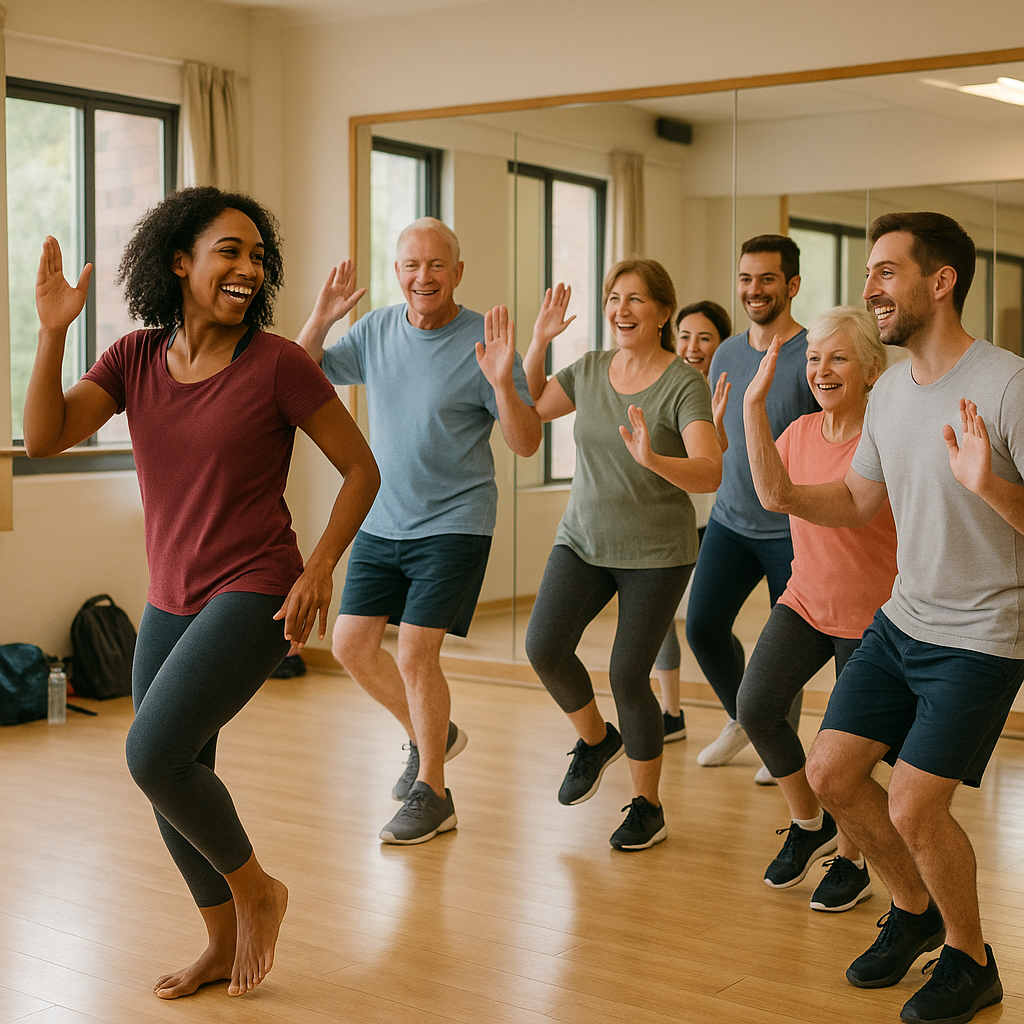
Dancing burns up to 400 calories per hour while flooding your brain with feel-good endorphins. This universal art form transcends language and cultural barriers, making it one of the most accessible ways to express yourself and connect with others. Whether you’re 8 or 80, dancing offers a path to improved physical fitness, mental wellness, and social connections.
The beauty of learning to dance lies in its flexibility and inclusivity. You can start your journey at home with online tutorials, join beginner-friendly dance classes at local studios, or simply let loose at social venues. Research shows that regular dancing improves cardiovascular health, strengthens muscles, enhances coordination, and reduces stress levels significantly.
This comprehensive guide will walk you through the fundamental steps of how to dance, from understanding basic rhythm and movement to exploring various dance styles that suit different personalities and preferences. You’ll discover practical tips for getting started with dance, whether you’re drawn to the energetic beats of hip-hop, the elegant movements of ballet, or the social connection found in partner dancing styles.
What Are the Basic Dance Moves Every Beginner Should Know?
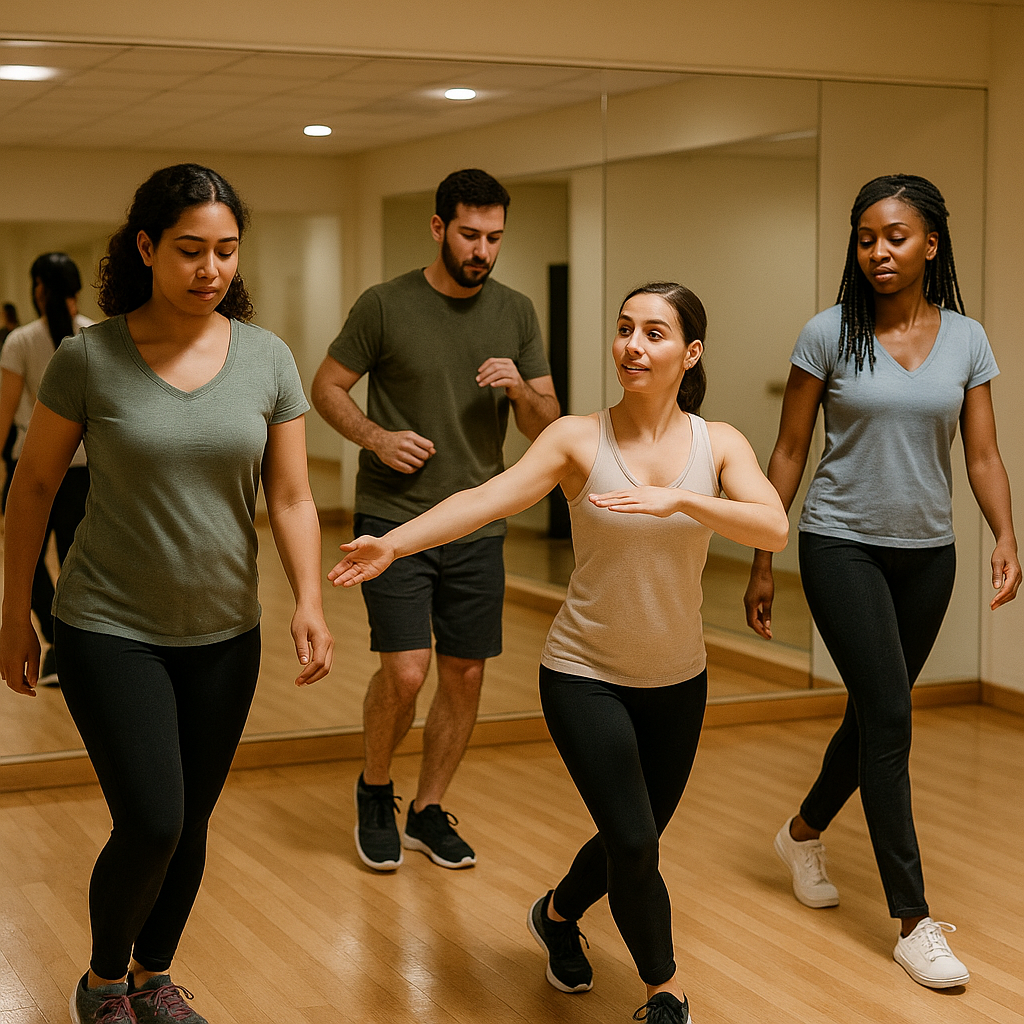
Three fundamental movements form the foundation of all dancing. These core techniques work with any music style and create the building blocks for more complex choreography. Master these basics and you can dance confidently anywhere.
The Bounce: Your Rhythmic Foundation
The bounce involves bending your knees in rhythm with the music. This movement keeps you connected to the beat while adding natural flow to your body movement. Start with shallow bounces by slightly bending your knees, then progress to deeper movements as you become more comfortable.
Keep your knees soft throughout the bounce. Let your body naturally rise and fall with each beat. Your shoulders should move freely as your knees create the rhythm. This creates the foundation that makes all other dance moves look effortless.
The Lean: Shifting Your Weight with Style
Weight shifting from side to side creates dynamic body movement on the dance floor. The lean allows you to move in any direction while maintaining your balance and rhythm. You can lean forward, backward, to either side, or even toward the corners of your space.
Practice shifting your weight smoothly between your feet. Focus on controlled transitions rather than quick jerky movements. This technique gives you natural breaks during dancing while keeping you engaged with the music. Your arms can move naturally with each lean to enhance the overall effect.
Moving Around the Dance Floor: Step-Tap Patterns
The step-tap pattern enables you to travel around your dance space with confidence. Step with full weight on one foot, then lightly tap the other foot without placing significant weight on it. This creates smooth transitions and directional changes.
Your footwork should stay light and bouncy throughout step-tap movements. Keep most of your weight on the stepping foot while the tapping foot prepares for the next movement. This technique works for moving forward, backward, sideways, or diagonally across the floor.
| Dance Move | Key Technique | Body Focus | Rhythm Connection |
| The Bounce | Bend knees with rhythm | Legs and core | Matches the beat |
| The Lean | Shift weight smoothly | Hips and torso | Creates musical breaks |
| Step-Tap | Step full weight, tap lightly | Feet and coordination | Enables movement flow |
Combining the Fundamentals
These three basic moves create countless combinations when used together. Start with the bounce to establish rhythm, add leans for dynamic movement, then incorporate step-tap patterns to travel around your space. The magic happens when you blend all three techniques seamlessly.
Your arms should flow naturally with whatever combination you choose. Let them swing, reach, or gesture in ways that feel good with the music. Remember that these fundamentals adapt to any song tempo or style, from slow ballads to fast party tracks.
Practice Tips for Mastering the Basics
Start practicing each move separately before combining them. Focus on keeping your knees soft and your shoulders relaxed throughout all movements. Your body movement should feel natural rather than forced or rigid.
Work on smooth weight transitions between your feet. This coordination develops muscle memory that makes dancing feel effortless. Practice with different music tempos to build versatility and confidence on any dance floor.
How Do You Dance With Rhythm and Stay on Beat?
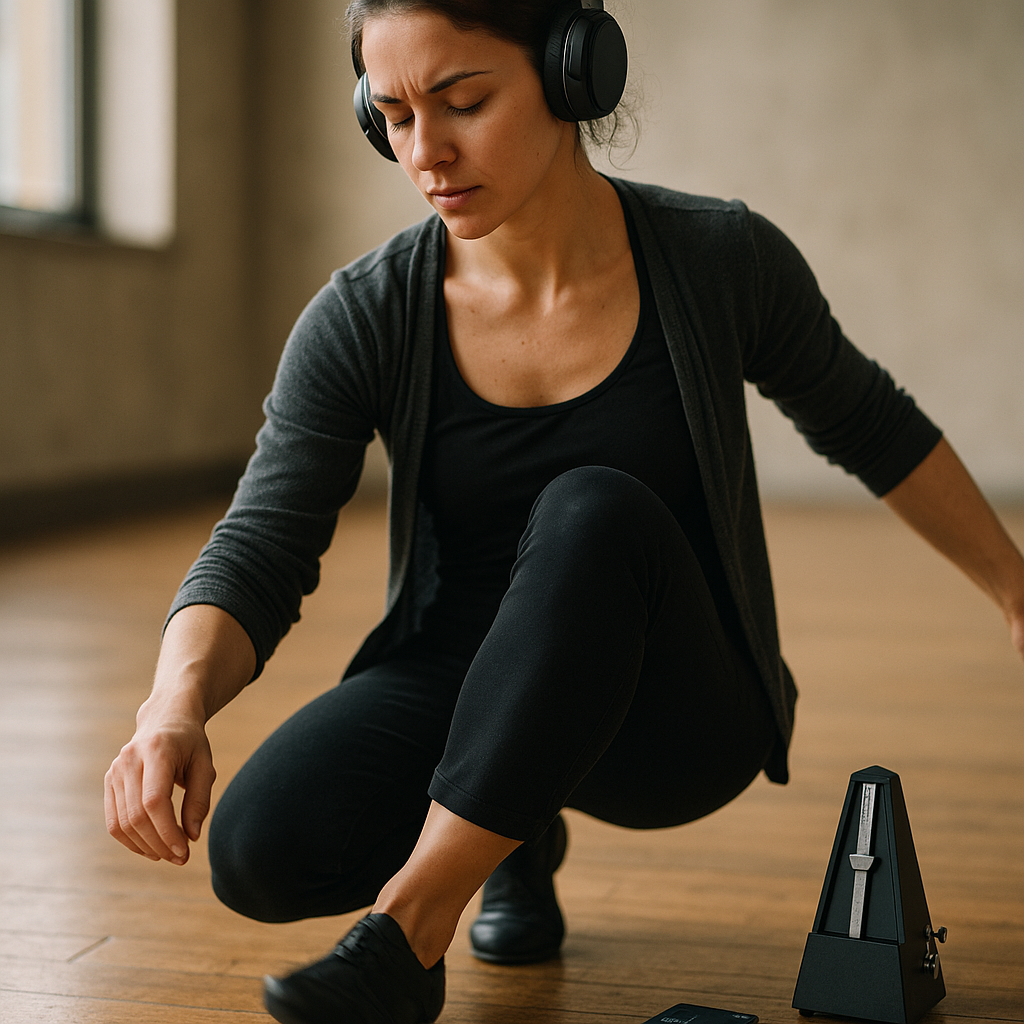
Dancing with rhythm means synchronizing your movements to the musical elements in a song. This skill involves recognizing different rhythmic patterns and adjusting your dance intensity based on the song’s structure. Music awareness allows you to anticipate changes and match your energy to what you hear.
Understanding song structure forms the foundation of rhythmic dancing. Most songs follow a predictable pattern with distinct sections that require different movement approaches. Each section offers unique opportunities to showcase your musicality and beat recognition skills.
Understanding Song Structure and Beat Recognition
Songs typically contain three main sections that dancers can identify and use. The intro usually has no strong beat and requires gentle movements like smooth weight shifts. This section allows you to prepare for the more rhythmic parts that follow.
The verse marks where the beat becomes prominent and consistent. During verses, you should step directly on each beat to establish your connection to the tempo. This creates a steady foundation that carries through the rest of the song.
The chorus represents the most energetic section with the strongest rhythmic elements. Here you can add more power to your movements or incorporate challenging steps like ball changes and hip rolls. The increased energy in the music supports more dynamic dance choices.
Finding and Following Rhythmic Patterns
Beginners can focus on two basic rhythmic patterns to stay connected to the music. The snare drum creates a clap or snap sound that occurs on every other beat. Following this pattern means moving on beats two and four in a four-count sequence.
The tempo pattern follows the kick drum sound, which appears on every beat. This creates a more frequent movement pattern where you step or accent on each count. You can count this as one-two-one-two while placing your foot down on every number.
When dancing to the snare pattern, your heel goes in every time you hear that snap sound. For tempo dancing, you double the movement speed and accent every single beat. Both patterns work effectively, and you can choose based on the song’s prominence of each element.
Adjusting Movement Intensity to Match Music
Different song sections call for varying levels of dance intensity and complexity. During intros, use subtle movements that don’t overpower the gentle musical elements. Weight shifts and small sways work well during these quieter moments.
Verses provide the perfect opportunity for consistent, moderate-energy movements. Simple steps like basic walks or rocks allow you to maintain the beat without overwhelming the vocal elements. Keep your movements clean and controlled during these sections.
Chorus sections invite you to unleash your full dance potential with increased energy and complexity. Try incorporating arm movements, turns, or footwork patterns that match the musical intensity. The strong beat and full instrumentation support these more elaborate choices.
Practice switching between these intensity levels as songs transition between sections. This skill development helps you become more responsive to musical changes and creates a more engaging performance for both you and your audience.
What Dance Styles Should You Explore?
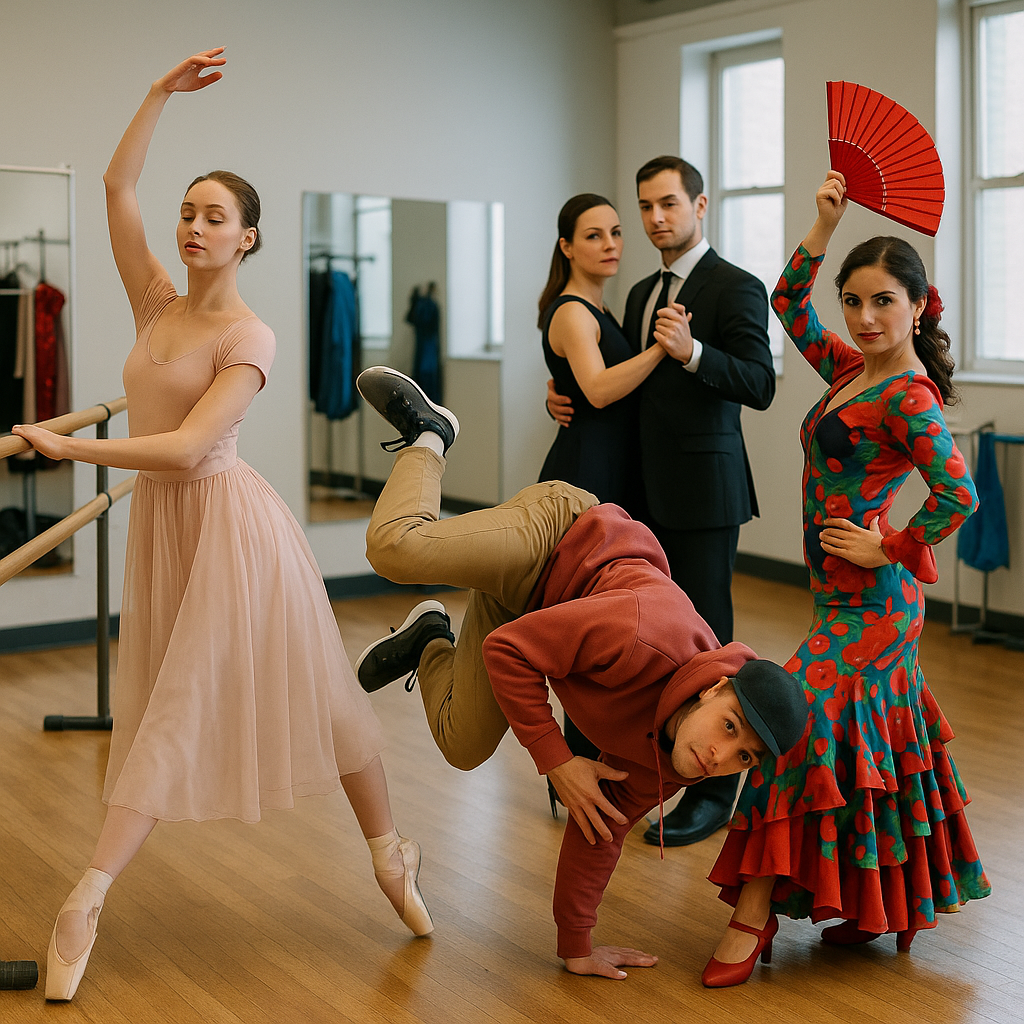
Ballroom dance offers some of the most elegant and structured styles for beginners to explore. The waltz provides a gentle introduction with its flowing three-quarter time signature and graceful rise-and-fall movements. Tango brings drama and passion through sharp, staccato movements and the iconic head snaps that define this Argentine-born style. The foxtrot serves as an excellent social dance with its smooth gliding motion and conversational pace, while the quickstep challenges dancers with its energetic hops and rapid footwork across the floor.
Latin dance genres pulse with rhythm and cultural heritage that spans continents. Salsa dominates dance floors with its quick-quick-slow timing and countless spins, featuring rock steps and solo moves called “shines.” Bachata from the Dominican Republic emphasizes sensual hip movements and simple side-to-side basics that allow for creative expression. The mambo bursts with Cuban motion and complicated footwork, while merengue offers one of the easiest entry points with its steady marching rhythm and equal beat values.
Street dance styles emerged from urban communities and continue evolving through cultural expression. Hip-hop encompasses breaking, popping, and locking techniques that emphasize individual style and improvisation. Breaking combines athletic floor work with rhythmic footwork, while popping creates robotic illusions through muscle contractions. These dance genres encourage freestyle movement and personal interpretation, making them accessible to dancers who prefer less structured approaches.
Performance dance styles require technical training but offer profound artistic expression. Ballet forms the foundation for many other styles with its precise positions, turnout, and en pointe work for advanced dancers. Contemporary dance blends ballet, jazz, and modern techniques while encouraging emotional storytelling through fluid, grounded movements. Jazz dance features sharp isolations and syncopated rhythms, often incorporating theatrical elements that connect directly to musical theater productions.
| Dance Category | Popular Styles | Characteristics | Best for Beginners |
| Ballroom | Waltz, Tango, Foxtrot | Partner dance, structured steps | Waltz, Foxtrot |
| Latin | Salsa, Bachata, Merengue | Hip movement, rhythmic | Merengue, Bachata |
| Street Dance | Hip-hop, Breaking, Popping | Individual expression, freestyle | Hip-hop basics |
| Performance | Ballet, Contemporary, Jazz | Technical precision, artistry | Jazz, Contemporary |
| Swing | East Coast Swing, Lindy Hop | Energetic, partner connection | East Coast Swing |
Swing dance styles bring joy and energy through partner connection and musical interpretation. East Coast Swing uses a simple triple-step pattern that works with various music genres from big band to contemporary pop. Lindy Hop originated in Harlem and features wild improvisation with flips and aerials for advanced dancers. West Coast Swing takes place in a linear slot and emphasizes smooth, elastic movements with extension-compression techniques between partners.
Cultural and folk dances preserve traditions while offering unique movement vocabularies. Irish dance showcases rapid leg movements with a straight upper body, performed in both soft shoe and hard shoe styles. Flamenco from Spain combines percussive footwork with dramatic arm movements and emotional expression. These solo dance and partner dance traditions connect dancers to specific cultural histories and community celebrations.
Many dance styles share foundational techniques that transfer between genres. Balance, rhythm, and spatial awareness develop regardless of the specific style. Partner dance skills like leading and following apply across ballroom, Latin, and swing categories. The core strength and flexibility developed in ballet benefits contemporary and jazz dancers, while the musicality learned in any rhythmic style enhances performance in others.
Taking Your First Steps: Where to Begin Your Dance Journey
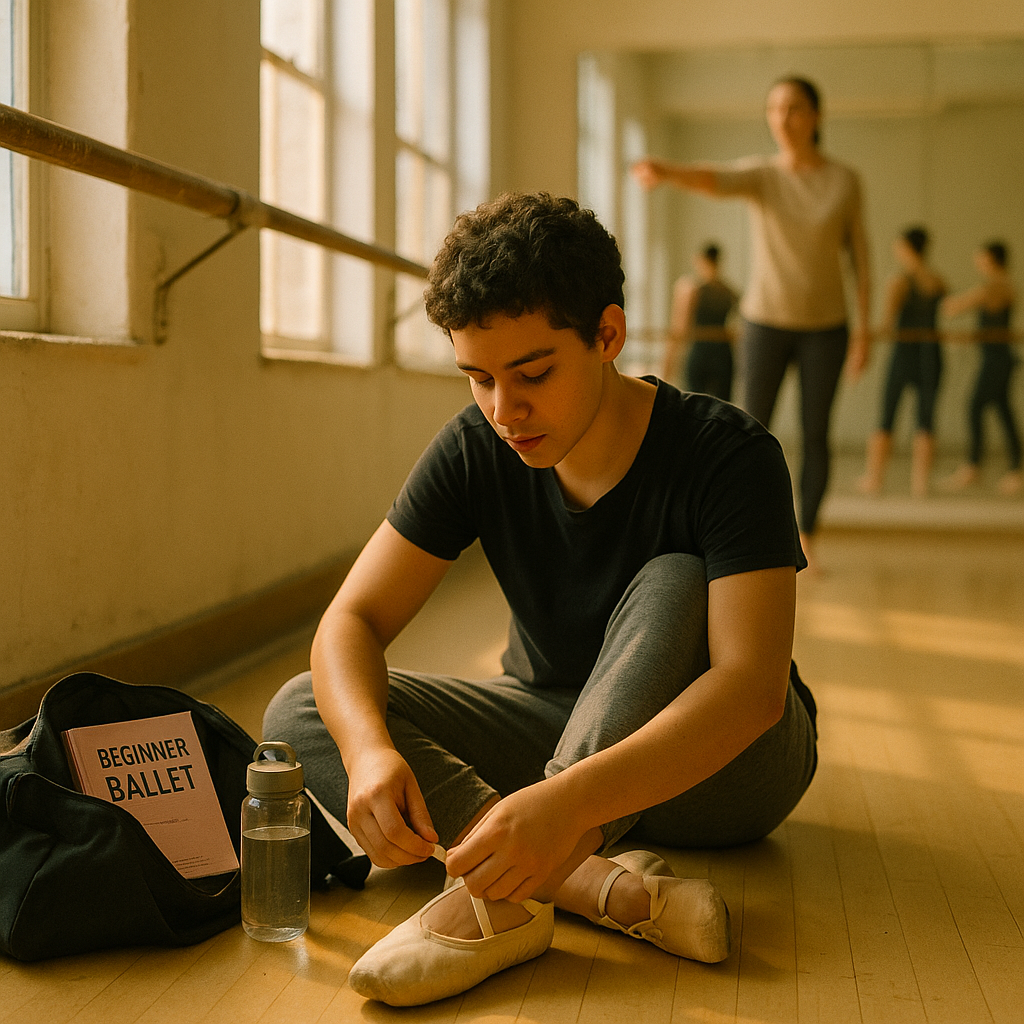
Starting your dance journey is easier than you think. Whether you choose local dance classes, online video tutorials, or dance-based fitness programs at gyms, the most important step is simply beginning. You can practice alone to build confidence, with a partner for social connection, or in groups for community support. The key is focusing on enjoyment rather than perfection, as every professional dancer started exactly where you are now.
Remember that consistent practice naturally develops both your skills and confidence on the dance floor. Search for beginner-friendly options in your area, explore step-by-step online tutorials that break down basic moves like bouncing and leaning, or join dance fitness classes that make learning feel like play. Everyone starts as a beginner, and the dance community welcomes newcomers with open arms. Take that first step today and discover the joy, fitness benefits, and creative expression that dancing brings to your life.