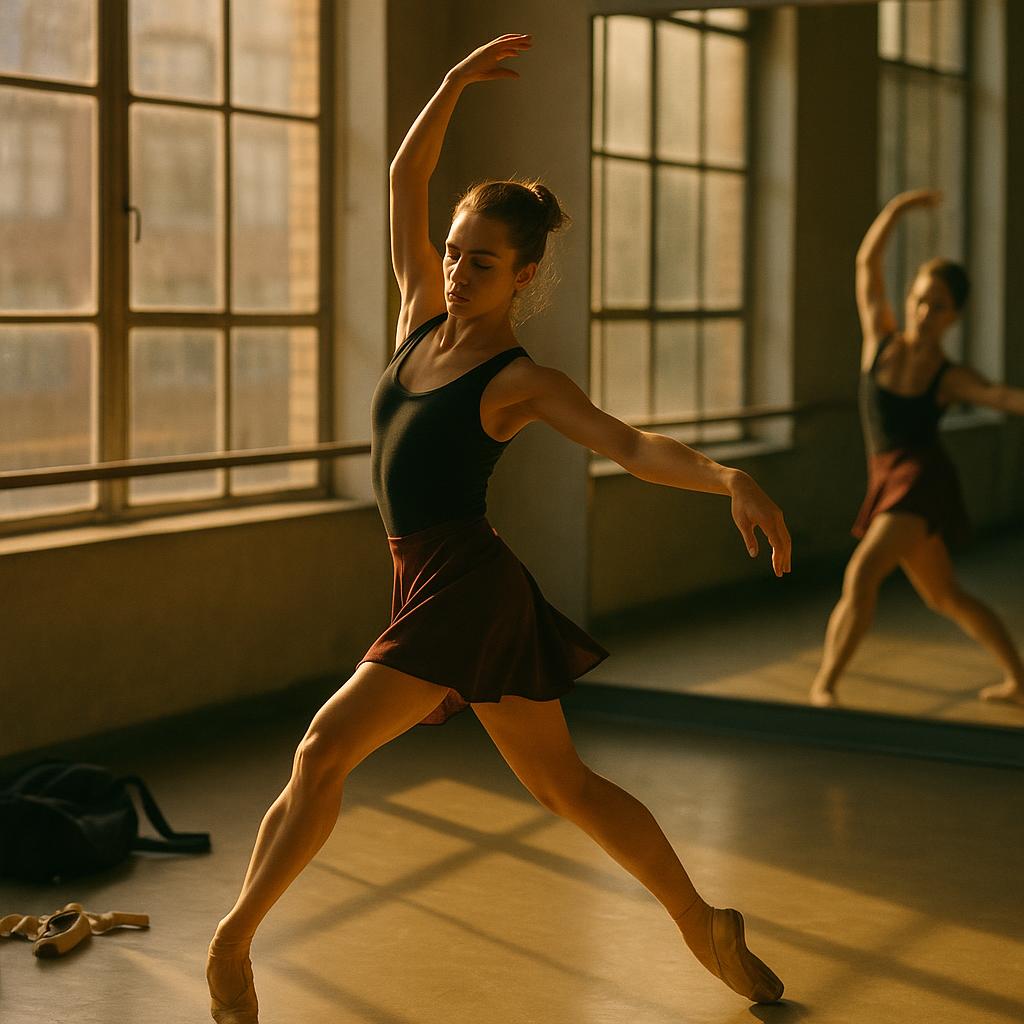
Many aspiring dancers face a common frustration. They train for years, perfecting every movement, yet the pathway to a professional dancing career remains unclear. Unlike traditional professions with defined educational requirements, dance demands a unique combination of artistry, physical prowess, and strategic career planning. The good news is that while the journey is demanding, it follows recognizable patterns that prepared dancers can navigate successfully.
Becoming a professional dancer requires more than natural talent. Whether pursuing positions in ballet companies, working as a backup dancer in commercial productions, or performing in touring shows, dancers must commit to rigorous formal training from an early age. The profession demands mental resilience to handle rejection at dance auditions and injuries that can derail careers. Physical excellence must be maintained through disciplined lifestyle choices. Strategic networking within the dance community opens doors that talent alone cannot.
The dance career landscape offers diverse opportunities, from teaching and choreography to starring roles on Broadway and in film. Success in professional dance comes from understanding that this athletic art form requires both technical mastery and business savvy. Dancers who thrive recognize that training never truly ends. They adapt continuously to shifting industry demands while building sustainable careers that can withstand the physical and mental challenges inherent to the profession.
Essential Training and Education Pathways

Professional dancers don’t stumble into their careers by accident. They build technical prowess through years of focused instruction at specialized institutions. Formal dance training develops more than just performance ability. It cultivates muscle memory, flexibility, discipline, and refined technique that separate hobbyists from professionals.
Aspiring dancers face a critical choice between different educational routes. Some pursue intensive training programs that bypass traditional college entirely. Others opt for bachelor’s degree programs in dance. A third path involves conservatory-style training that blends rigorous technique development with performance opportunities.
Professional Training Programs vs. Traditional Degrees
Professional training programs offer a direct route for dancers ready to commit fully to their craft. These programs eliminate general education requirements and concentrate exclusively on dance. Students dedicate 100% of their energy to honing technical abilities and performance quality.
The Ailey School in New York City runs a rigorous 3-year training program. Boston Ballet offers a 2-year intensive that prepares dancers for company auditions. Steps on Broadway operates The Conservatory, a two-year curriculum designed to strengthen both concert and commercial dance skills. These programs produce polished, versatile dancers ready for the competitive professional world.
Training programs vary significantly in duration and structure. Broadway Dance Center offers concentrated 4-month semester programs. The José Limón Dance Foundation provides 9-month training focused on modern technique. Dance Theatre of Harlem runs a 32-week program. This flexibility allows dancers to choose programs matching their specific goals and readiness levels.
Admission Requirements and Competitive Selection
Gaining admission to elite training programs requires more than enthusiasm. These institutions maintain highly competitive selection processes. Applicants typically audition in person, demonstrating technical proficiency across multiple dance styles. Some programs also require video submissions and interviews.
The Dallas Conservatory has won the YAGP Outstanding School Award ten times. Their Pre-Professional Division doesn’t follow a one-size-fits-all approach. Instead, instructors tailor training to individual student goals, interests, and abilities. This personalized methodology has helped over 25 alumni secure positions with New York City Ballet, on Broadway, and throughout North America and Europe.
Steps on Broadway requires applicants to their Conservatory program to meet specific deadlines. For their Fall 2026 session, the application deadline falls on March 1, 2026. Summer Study NYC offers a three-week immersion for intermediate and advanced dancers aged 18 and older, with early registration incentives for those applying by February 1st.
Diverse Training Pathways for Different Career Goals
Not every dancer follows the same trajectory. Some benefit from the structure of year-round conservatory training. Others thrive in flexible programs that accommodate different schedules and commitments. Central Pennsylvania Youth Ballet offers month-to-month training options. Point Park University provides semester-based programs that can integrate with academic coursework.
The Independent Artist Program at Steps on Broadway represents an open enrollment alternative. This program allows dancers of all levels to create personalized training schedules. Participants explore diverse techniques and styles while immersing themselves in New York City’s vibrant dance community. Both international and domestic dancers can design curricula matching their specific needs.
| Program | Location | Duration | Focus |
|---|---|---|---|
| The Ailey School | New York City | 3 years | Concert dance technique and performance |
| Boston Ballet | Boston, MA | 2 years | Classical ballet and company preparation |
| Steps Conservatory | New York City | 2 years | Concert and commercial dance |
| Broadway Dance Center | New York City | 4 months | Commercial dance intensive |
| Dance Theatre of Harlem | New York City | 32 weeks | Ballet and cultural dance traditions |
| José Limón Dance Foundation | New York City | 9 months | Modern dance technique |
Preparing for Advanced Training Opportunities
Many dancers use pre-professional programs as stepping stones to prestigious company schools. The Dallas Conservatory strategically prepares students for transitions to institutions like the School of American Ballet and San Francisco Ballet School. This preparation involves careful planning and parent conversations years in advance.
Students preparing for major transitions sometimes switch to online schooling in their final pre-professional year. This allows them to maximize training hours and travel opportunities. The shift also prevents shock when arriving at more demanding programs. Strategic preparation makes competitive environments more manageable.
Continuous learning remains essential throughout a dancer’s career. Exposure to different dance teachers and choreographers provides fresh interpretations and stylistic approaches. Alonzo King LINES Ballet in San Francisco offers a 2-year program emphasizing distinctive movement vocabulary. Martha Graham School of Contemporary Dance provides training rooted in specific technique and philosophy. Richmond Ballet runs a 1-year intensive focused on classical repertoire and contemporary works.
Peridance Capezio Center rounds out New York City’s training landscape with another 2-year program. Geographic diversity matters too. Training in different cities exposes dancers to regional styles, networking opportunities, and varied performance scenes. Each location offers distinct advantages for career development.
Building Physical Fitness and Technical Skills

Professional dancers are athletes who face extraordinary physical demands during rehearsals and performances. The rigorous nature of dance requires more than just artistic expression. It demands peak physical conditioning across multiple fitness dimensions. Strength, flexibility, balance, coordination, and stamina form the foundation of a dancer’s ability to execute complex choreography safely and effectively.
Achieving and maintaining this level of fitness extends beyond studio hours. A healthy lifestyle incorporating proper nutrition, consistent exercise routines, and adequate sleep supports the body’s recovery and performance capabilities. These elements work together to ensure dancers can meet the physical challenges of their craft while reducing the risk of injury.
Essential Components of Dance Fitness
Dance training programs must address all components of fitness to create well-rounded performers. Aerobic fitness supports moderate, longer-term activity levels that dancers need during extended rehearsals. Anaerobic fitness enables the high-intensity, maximal bursts required for explosive movements and jumps. Both types of cardiovascular conditioning play distinct but equally important roles in dance performance.
Muscle endurance allows dancers to produce continuous movement throughout lengthy performances without fatigue. Strength training develops the ability of muscles to produce maximal force when needed. Power combines strength with speed, creating the explosive quality essential for dynamic choreography. Each component supports different aspects of dance technique and artistry.
Flexibility remains crucial in complementing muscular strength and building efficiency in movement. The range of motion at joints, combined with muscle pliability, determines a dancer’s ability to achieve the positions required by various dance styles. Neuromuscular coordination integrates these physical qualities, allowing dancers to execute movements with precision and control.
Developing Flexibility Through Strategic Training
Flexibility training requires a systematic approach that respects the body’s adaptation process. Muscles must be stretched approximately ten percent beyond their normal range of motion to increase flexibility. As the body adapts, the range of stretch must progressively increase for continued development. This principle of gradual progression prevents injury while promoting sustainable gains.
Dynamic warm-ups serve as the foundation of effective flexibility work. Three to five minutes of light cardio activity increases core body temperature and blood flow to muscles. Movements like jogging, skipping, or chassés across the floor prepare the nervous system for more demanding work. Joint mobilization exercises follow, ensuring all major joints move through their available range before stretching begins.
Targeted stretching should occur when muscles are thoroughly warm, typically after class or workout sessions. Holding muscles in stretched positions for prolonged periods causes muscle fibers to adapt to new lengths. For maximum benefit, the specific muscle group being stretched must be isolated. When stretching hamstrings, for example, spinal movement should be minimized to focus tension on the target muscles. Relaxation during stretching enhances effectiveness and prevents counterproductive tension.
Building Strength to Support Flexibility
Strength training complements flexibility work by providing muscular support around joints. This support allows dancers to control their bodies at the end ranges of motion where flexibility is displayed. Without adequate strength, increased flexibility can actually increase injury risk rather than enhance performance. The two qualities must develop together.
Hip joint flexibility receives particular attention in dance training because it directly affects leg lifts and extensions. The Achilles tendon requires flexibility for high jumps and smooth landings. Back flexibility enables the diverse shapes and positions found in ballet, modern dance, and jazz dance. Ankle and shoulder joint mobility expand the vocabulary of movements available to dancers.
Muscular endurance develops through progressive overload, either by adding resistance or increasing repetitions. This quality allows dancers to resist fatigue when movements repeat throughout choreography or when holding static positions. Applying the overload principle systematically builds the capacity to work strenuously for longer periods without decline in performance quality.
Versatility Across Dance Styles
The contemporary dance market rewards versatility alongside specialization. While developing expertise in one style provides depth, cross-training in multiple forms enhances technical proficiency and expands job opportunities. Different dance styles emphasize different fitness components, making cross-training valuable for developing well-rounded physical capabilities.
Ballet demands significant strength, particularly in the lower body and core, along with extreme flexibility and precise coordination. Hip-hop requires explosive power, quick directional changes, and strong anaerobic fitness. Jazz dance combines elements of both, adding rhythmic complexity and dynamic range. Tap dance develops unique neuromuscular patterns and rhythmic precision while building ankle strength and coordination.
Understanding personal body capabilities helps dancers identify suitable styles and training approaches. Some dance forms place specific demands on the body that may not align with every dancer’s physical structure or current conditioning level. Recognizing these requirements allows dancers to make informed choices about where to focus their training energy and which styles complement their natural abilities.
Adolescent dancers face unique challenges during growth spurts, experiencing rapid decreases in proprioception, coordination, and strength. Training programs for developing dancers must account for these changes with appropriate progressions and adequate rest. Vocational dance students benefit from emphasis on aerobic conditioning to combat fatigue, which contributes to injury occurrence. Sessions should balance cardiovascular work with muscular strength, endurance, and power development tailored to their specific training goals.
Developing Mental Toughness and Resilience

A dance career tests mental strength just as rigorously as it tests physical ability. Auditions, rejections, and performance anxiety create constant challenges that demand psychological resilience. Dancers who develop strong mental skills alongside their technical training gain a competitive edge in an industry where setbacks are inevitable.
Building Mental Toughness Through Daily Practice
Mental toughness isn’t an inherent trait. It’s a skill that dancers can develop through consistent practice. Positive self-talk serves as a foundational tool for building confidence and maintaining a healthy mindset during difficult moments.
Dancers should practice kind and encouraging inner dialogue regularly. Instead of harsh self-criticism after a mistake, replacing negative thoughts with constructive statements helps maintain motivation. Writing affirmations that remind dancers of their worth, both as performers and as individuals, creates a mental toolkit for challenging situations.
Goal setting provides structure and direction for mental preparation. Short-term goals might include mastering a specific technique or improving stamina, while long-term goals could focus on securing company contracts or performing lead roles. Tracking progress toward these objectives builds confidence and creates tangible evidence of growth, which becomes especially valuable during periods of self-doubt.
Visualization and Pre-Performance Strategies
Imagery practice allows dancers to mentally rehearse performances before stepping on stage. Visualizing successful execution of choreography, confident stage presence, and positive audience responses creates neural pathways that support actual performance. This mental rehearsal reduces anxiety and increases familiarity with high-pressure situations.
Developing a consistent pre-performance routine establishes predictability in an unpredictable career. A structured preparation plan might include specific nutrition timing, relaxation exercises, physical warm-ups, and visualization sessions. The consistency of this routine signals to the body and mind that it’s time to perform, reducing uncertainty and building confidence.
Recreating stressful situations during practice helps dancers build tolerance for performance anxiety. Inviting observers to rehearsals, practicing with time constraints, or simulating audition conditions all prepare dancers to handle real competition pressure more effectively. This exposure therapy approach makes high-stakes moments feel more manageable.
Reframing Rejection as Growth
Rejection in dance is not a matter of if, but when. Auditions frequently result in rejection for reasons completely outside a dancer’s control, including budget constraints, visa restrictions, or simply a full roster. Understanding this reality helps dancers use logic rather than emotion when processing disappointment.
Cognitive reappraisal transforms rejection into learning opportunities. Rather than dwelling on what went wrong, dancers can identify valuable experiences from each audition. Meeting new choreographers, learning unfamiliar movement vocabulary, or discovering personal strengths under pressure all represent genuine gains, regardless of the outcome.
Creating a post-audition reflection practice helps implement this mindset shift. Dancers might keep a list of questions on their phones asking what skills they practiced, what connections they made, or what they learned about their preferences. This structured approach redirects attention from rejection toward growth and future preparation.
Maintaining Self-Worth Beyond Dance Identity
Dancers often tie their self-worth entirely to their performance abilities. This makes rejection feel like a fundamental judgment of personal value rather than a situational decision. Separating identity from dance outcomes creates psychological protection against the inevitable setbacks of a performing career.
Cultivating competence in areas outside of dance provides emotional stability. Being a supportive friend, developing creative hobbies, or contributing to community activities all reinforce that personal value extends beyond technical skill. These external sources of self-worth reduce the emotional impact when dance opportunities don’t materialize.
Acknowledging small daily wins builds resilience over time. Recognizing improvements in stamina, successful social interactions, or moments of artistic expression creates a broader foundation of confidence. This accumulated evidence of competence makes individual rejections less devastating to overall self-concept.
Processing Difficult Emotions After Setbacks
Allowing space for negative emotions following rejection is psychologically necessary. Attempting to suppress disappointment, frustration, or sadness often intensifies these feelings. Dancers who acknowledge their emotional responses without judgment process setbacks more effectively and recover faster.
Physical and mental self-care becomes especially important after difficult auditions or critical feedback. Activities unrelated to dance, such as spending time with friends, enjoying favorite meals, or engaging in relaxing hobbies, help restore emotional balance. These practices reinforce that life contains value and pleasure beyond professional achievement.
Accepting support from trusted individuals provides perspective during low moments. Talking through rejection with understanding friends or mentors helps dancers recognize that one setback doesn’t define their future. This external validation reminds dancers of their strengths when self-assessment feels unreliable.
Developing Flexibility and Adaptability
The ability to adapt when situations don’t unfold as planned separates resilient dancers from those who struggle with setbacks. Flexibility allows dancers to adjust expectations, learn from unexpected challenges, and move forward rather than remaining stuck in disappointment. This mental agility becomes increasingly valuable as careers progress and circumstances change.
Repeated exposure to auditions naturally builds this adaptability. Each experience provides data about personal responses to stress and opportunities to practice coping strategies. Dancers who view each audition as practice for handling pressure, regardless of outcome, develop greater mental toughness over time.
Intrinsic motivation sustains dancers through the inevitable difficulties of a performing career. When passion for the art form itself drives training and performance, external rejections carry less weight. Remembering why dance matters personally, beyond contracts and roles, provides the resilience needed to persist in a challenging industry.
Strategic Networking and Reputation Building

Networking advances dance careers by creating pathways to opportunities that rarely appear through traditional job postings. The dance industry operates largely on personal connections and professional recommendations. Establishing relationships with choreographers, directors, and fellow dancers opens doors to auditions, collaborations, and performance opportunities. Building a strong reputation within the dance community becomes just as important as technical ability.
Identifying Local Dance Hubs and Training Spaces
Finding where professional dancers train provides the foundation for meaningful industry connections. Research which companies operate in the area and where their dancers take class. Study local choreographers and investigate their teaching schedules at various studios. These spaces serve as informal networking hubs where professionals gather to maintain their skills.
Taking classes at these studios creates natural opportunities for interaction. Arrive early and stay after class to engage in brief conversations with other dancers. Ask about the local dance scene and which venues regularly present work. Many dancers willingly share insights about upcoming auditions and which directors are currently casting.
Work-study programs offer an accessible entry point for those managing financial constraints. These arrangements provide discounted or free class access in exchange for studio assistance. Beyond the practical benefit of affordable training, working at a studio increases visibility within the professional community. Regular presence at a respected training space helps establish familiarity with teachers and visiting choreographers.
Attending Performances and Industry Events
Watching live performances serves dual purposes of artistic inspiration and professional networking. Research local venues and study their season lineups to identify relevant shows. Many theaters offer discounted tickets for students or working artists. Some venues hire ushers on paid or volunteer bases, providing the opportunity to see multiple performances while earning income.
Attending shows demonstrates genuine interest in the local dance community beyond personal career advancement. Take note of choreographers whose work resonates and research their company rosters. Reading dancer biographies reveals training backgrounds and career trajectories that might align with personal goals. After performances, attending reception events when possible creates informal networking opportunities.
Workshops and industry events provide structured environments for meeting directors and choreographers. These settings allow for focused interaction around specific techniques or creative processes. Approaching professionals at these events feels more natural than cold introductions. Following up afterward with a brief email mentioning specific aspects of the workshop helps maintain the connection.
Building Reputation Through Consistent Professionalism
Professional behavior in every interaction shapes how the dance community perceives a dancer. Simple gestures carry significant weight in an industry built on relationships. Writing handwritten thank-you notes to teachers after intensives or at the end of training periods distinguishes dancers in a sea of students. This practice reflects genuine appreciation while keeping the dancer memorable.
Making connections without expecting immediate reciprocation establishes authentic value within the dance community. Offer assistance to fellow dancers, share audition information freely, and celebrate others’ successes. This approach builds goodwill that often returns in unexpected ways. How dancers treat others during the early career stages impacts their reputation for years to come.
Maintaining connections with former teachers as careers progress demonstrates respect and gratitude. Visiting previous schools when in town or sending occasional emails updating them on career developments keeps relationships active. Teachers often become valuable references and may recommend former students for opportunities. These longstanding relationships form the backbone of a professional network.
Strategic Use of Social Media and Digital Presence
Social media functions as a modern portfolio and networking tool when used strategically. Platforms like Instagram and YouTube allow dancers to share performance footage and behind-the-scenes content. Following choreographers, companies, and fellow dancers keeps individuals informed about audition announcements and casting calls. Engaging genuinely with others’ posts rather than simply broadcasting personal content builds authentic digital relationships.
A curated online presence serves as an accessible resume for directors and choreographers researching potential dancers. Post high-quality performance clips that showcase range and versatility. Include rehearsal footage occasionally to demonstrate work ethic and creative process. Maintain professionalism in all posts, understanding that potential employers review social media profiles.
Digital networking complements but never replaces in-person connections. Use social media to maintain relationships established through classes and performances. Comment thoughtfully on choreographers’ work to stay visible without being intrusive. The goal is remaining present in their awareness so when opportunities arise, the connection already exists.
Considering Representation and Agent Relationships
Agents expand professional networks significantly by connecting dancers with opportunities outside their immediate awareness. However, not every dancer needs representation, and timing matters considerably. Agents become relevant when dancers book enough work to afford agency fees and need help managing multiple opportunities. Seeking representation too early in a career can prove counterproductive.
Choosing an agent requires careful research into their track record and industry connections. Examine which dancers they represent and what types of work those dancers book. Ensure the agency has specific connections to dance rather than general performing arts. An agent with strong theater contacts but limited dance industry relationships may not serve a dancer’s career goals effectively.
| Networking Strategy | Primary Benefit | Best For |
|---|---|---|
| Taking classes at professional studios | Direct interaction with working dancers and teachers | All career stages, especially those new to a city |
| Attending live performances | Understanding local dance scene and meeting choreographers | Building artistic perspective while networking |
| Work-study programs | Affordable training with increased studio visibility | Dancers managing financial constraints |
| Strategic social media use | Maintaining connections and staying informed about opportunities | Dancers seeking consistent visibility between in-person interactions |
| Agent representation | Access to auditions and opportunities beyond personal network | Established dancers with consistent booking history |
The most effective networking approach combines multiple strategies tailored to individual circumstances and personality types. Introverted dancers may initially feel more comfortable building digital connections before expanding to in-person interactions at performances and workshops. Extroverted personalities might prioritize class attendance and industry events. Both paths lead to the same goal of establishing a reputation built on talent, professionalism, and genuine relationships within the dance community.
Charting Your Unique Journey

The path to becoming a professional dancer is shaped by personal strengths, specializations, and individual goals. No single formula guarantees success in this competitive field. Building a sustainable dance career requires combining rigorous training with versatility, mental resilience, and active networking. These elements create a foundation that helps dancers navigate the industry’s demands and discover opportunities that align with their artistic vision.
Most professional dancers experience relatively short performance careers, often retiring in their late thirties due to the physical demands of the art form. This reality underscores the importance of early training and skill development. Many dancers successfully transition into teaching, choreography, or behind-the-scenes roles in arts administration and production. These career transitions allow them to remain connected to the dance world while building longevity beyond their performing years. Developing related skills early opens doors to multiple pathways within the industry and creates stability when performance opportunities fluctuate.