
Waste reduction is a cornerstone of sustainable waste management, tackling issues from their origin rather than addressing them post-generation. This vital strategy involves thoughtful purchasing, mindful consumption, and conscientious lifestyle changes that diminish waste production while reaping economic benefits. This comprehensive guide provides actionable strategies for households, businesses, and manufacturing sectors, all aligned with the waste hierarchy principle that emphasizes prevention. By adopting these measures, individuals and organizations can contribute to a sustainable future, reducing environmental and economic burdens.
Effective Purchasing and Product Selection to Minimize Waste

Adapting purchasing strategies can significantly decrease waste and promote sustainable practices. One effective method is selecting products with minimal packaging. Focusing on concentrated goods and opting to buy in bulk can cut down on the materials needed for packaging, thereby reducing waste.
Refillable containers and durable products are also excellent choices. These items not only promise longevity but also promote resource efficiency. Products that are locally crafted often come with the added benefit of a reduced carbon footprint due to less transportation. Furthermore, they support local economies.
Supporting ethical and sustainable producers is crucial. These producers focus on creating durable and long-lasting products while minimizing environmental impact. By making mindful purchasing choices, consumers can drastically reduce waste and enjoy cost savings.
Consider real-life comparisons between eco-friendly products and their standard counterparts to see the difference in environmental impact. For instance, opting for a reusable water bottle over single-use plastics can save a significant amount of waste and provide economic benefits over time.
- Choose items with minimal packaging.
- Opt for concentrated products to reduce packaging.
- Buy in bulk to minimize waste.
- Support local and ethical producers.
- Invest in durable and refillable products.
By integrating these sustainable purchasing tips into daily routines, one can contribute to a healthier planet while managing expenses more effectively.
[[artifact_table]] Comparison of Cost Savings and Waste Reduction between Bulk and Regular Purchases [[/artifact_table]]
Practical Methods for Reducing Household Waste

Analyzing Household Consumption Patterns
Our journey toward waste reduction begins with understanding our consumption patterns. Conducting a thorough review of household habits can reveal significant insights into areas of excess. This initial step involves monitoring purchasing behaviors and recognizing frequently discarded items. By focusing on essentials, we can tailor our buying decisions to reduce unnecessary purchases, ultimately minimizing waste.
Consider adopting a systematic approach to inventory management, which can help identify surplus and avoid over-purchasing. This practice not only saves money but also prevents consumables from turning into waste.
Embracing Home Composting
Home composting is an effective way to manage organic waste, turning kitchen scraps into nutrient-rich soil. It reduces the environmental burden posed by food waste, which constitutes a substantial portion of household refuse. The Environmental Protection Agency reports that 28% of discarded materials could potentially be composted instead of ending up in landfills.
Home composting not only benefits the environment but also enhances garden productivity. By providing essential nutrients to soil, compost can improve plant health and growth. Starting a composting regimen can begin with simple steps like setting aside fruit peels and vegetable scraps.
Adopting Reusable Alternatives
Transitioning to reusable products is crucial in decreasing reliance on single-use items. Items like refillable water bottles, fabric shopping bags, and stainless steel straws are environmentally-friendly alternatives that significantly reduce personal waste output. Moreover, many establishments offer discounts for customers using their own containers or mugs.
Such changes, while small, can collectively have a profound impact on waste reduction. Encouraging these practices among family and friends can further amplify their positive effects.
Conducting a Home Waste Audit
Conducting a waste audit at home is an enlightening process that uncovers common waste sources. By organizing waste into categories such as recyclables, compostables, and disposable items, we can pinpoint areas for improvement. This methodical approach allows us to target significant waste contributors and eliminate them progressively.
The data gathered from a waste audit can guide conscious habit transformations, ensuring waste reduction becomes an integral part of daily life. Over time, these practices lead to a sustainable lifestyle that significantly decreases household waste.
Strategies for Manufacturing and Business to Curtail Waste

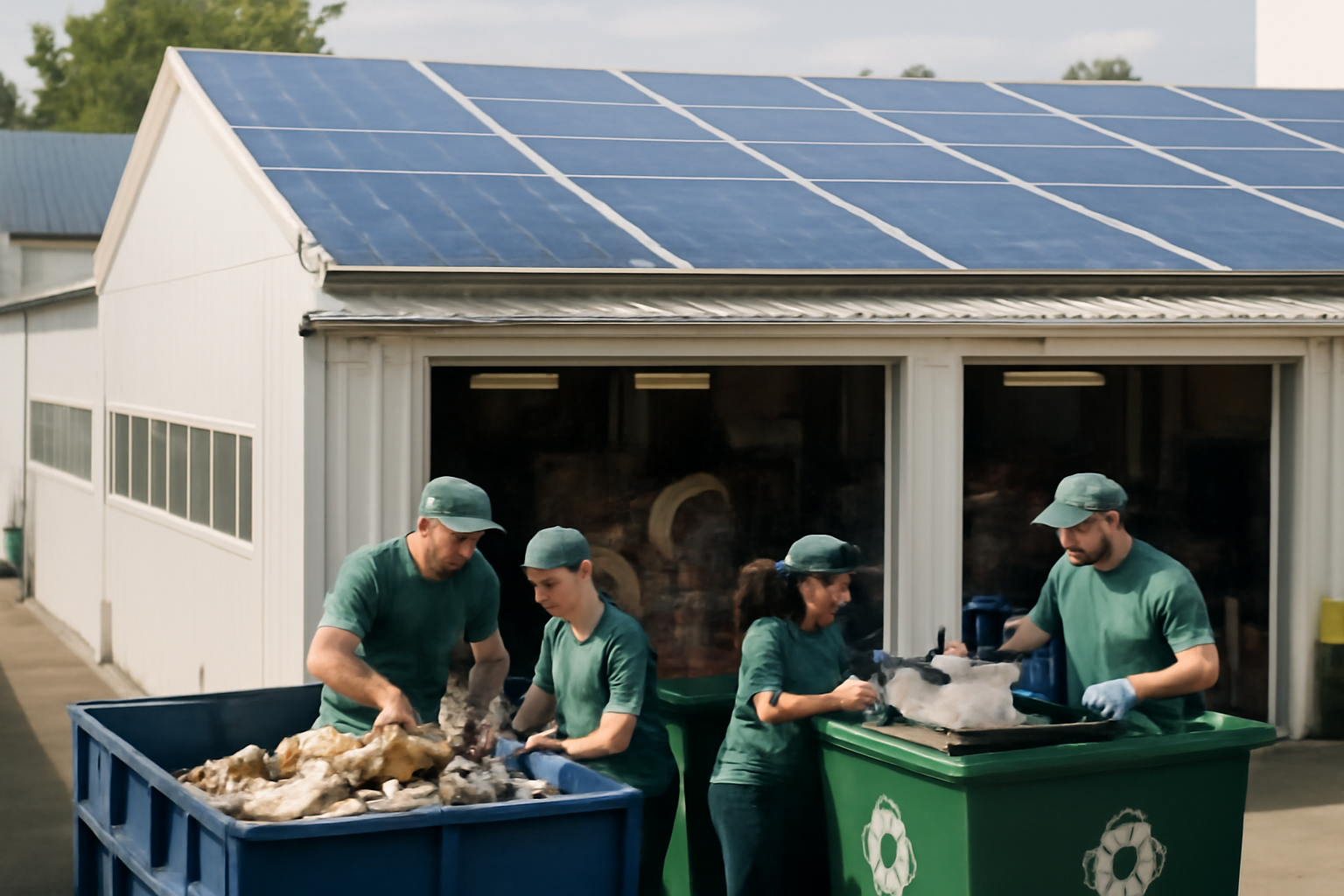
Streamlining productivity and minimizing excess has never been more crucial for the competitive landscape of modern manufacturing. With mounting pressure to reduce environmental impact while maintaining efficiency, industries are seeking innovative waste reduction strategies. Tackling manufacturing waste not only cuts costs but also aligns with the growing consumer demand for sustainable practices.
Strategies for Manufacturing and Business to Curtail Waste
Just-in-Time Inventory Management
Just-in-time (JIT) inventory management has transformed the manufacturing landscape. By closely aligning production schedules with demand, businesses can drastically minimize excess inventory, reducing waste and improving cash flow. JIT ensures that materials are used promptly, significantly cutting down on resource waste from spoilage or obsolescence.
This strategy requires seamless coordination with suppliers and robust production planning. Implementing technology solutions such as electronic kanban systems and real-time inventory tracking can ensure better visibility and control over inventory levels, enhancing the overall efficiency of JIT practices.
Reducing Packaging Material Usage
Minimizing packaging materials is a straightforward yet impactful way to slash manufacturing waste. Over-packaging not only increases costs related to storage and shipping but also contributes significantly to environmental pollution. Companies can adopt lightweight, biodegradable, or recyclable materials to curtail these issues.
Rethinking packaging designs to use fewer resources and utilizing digital design tools for optimization can reduce waste considerably. This approach not only supports an eco-friendly brand image but also delivers direct cost savings.
Embracing Closed-Loop Manufacturing Systems
Transitioning to closed-loop manufacturing systems is a forward-thinking approach that merges economic efficiency with environmental responsibility. By integrating recycled materials back into production processes, companies can reduce reliance on new resources, thereby enhancing sustainability and cutting costs.
Incorporating green chemistry principles and reusable packaging further solidifies a company’s commitment to sustainable practices. This system provides an opportunity for businesses to innovate and gain a competitive edge by tapping into environmentally conscious market demands.
Upgrading Processes and Equipment
Advanced technological developments present opportunities to optimize manufacturing processes for waste reduction. Upgrading equipment to more efficient, less waste-generating versions can result in significant cost savings over time.
Incorporating AI-driven inventory management and data analytics offers deep insights into waste patterns. Highlighting these benefits, including ROI on equipment upgrades, can drive the initiative for responsible investments within manufacturing operations.
Employee training is also critical for improving quality control and reducing waste caused by human error. Continuous education and process optimization foster a culture of sustainability within the workforce, underscoring the human element in effective waste management.
[[artifact_table]] Waste Reduction Strategies Overview [[/artifact_table]]
Conclusion

Manufacturers have a wide array of strategies at their disposal to effectively reduce waste, ranging from just-in-time inventory management to the adoption of closed-loop systems. By implementing these solutions, businesses can decrease waste and increase efficiency, ultimately leading to enhanced sustainability and profitability.
For insight into how our company can help tailor these strategies to your specific needs, please reach out to us at Contact Us or call us at 555-0123.
Creating Organizational Waste Reduction Programs and Alliances

In today’s rapidly evolving corporate landscape, organizations face mounting pressure to reduce waste and adopt sustainable practices. With growing environmental concerns and stricter regulations, an effective waste reduction program is not just beneficial but essential. Yet, many businesses struggle with where to begin. Setting clear objectives, involving a cross-sectional team, and leveraging partnerships can provide a pathway to significant improvements in waste management.
As organizations strive to be more eco-friendly, they often encounter challenges in forming effective waste reduction strategies. These challenges range from securing management buy-in to engaging employees across different departments. However, a well-structured program that focuses on prevention, recycling, and community engagement can overcome these hurdles and lead to meaningful environmental benefits.
Creating Organizational Waste Reduction Programs and Alliances

An effective waste reduction program begins with the formation of a dedicated green team. This team, which should include representatives from various departments, is tasked with setting achievable goals and ensuring company-wide participation. By involving diverse stakeholders, the organization can generate a range of ideas and solutions, tailored to its unique operational needs.
Organizations should prioritize waste prevention, aiming to reduce waste at its source. Initial steps might include carrying out a waste audit to understand current waste streams and identify opportunities for reduction. Engaging employees through education and incentives also plays a crucial role in cultivating a culture of sustainability within the company.
Partnerships with external stakeholders, such as local governments, NGOs, and waste management providers, further enhance waste reduction efforts. These collaborations can provide access to resources and expertise that bolster the organization’s initiatives. For instance, by working with recyclers or waste exchanges, companies can implement more efficient recycling processes, driving down both costs and environmental impact.
It’s essential to implement feasible waste reduction activities initially. Starting small with one or two focused actions can help maintain momentum and build confidence among stakeholders. As these measures become habits, organizations can progressively introduce more initiatives, gradually embedding eco-friendly practices into their operations.
Conclusion

Establishing a robust waste reduction program requires strategic planning and collaboration both within and outside the organization. By focusing on prevention, engaging employees, and fostering partnerships, companies can effectively manage waste and promote a sustainable future. Such efforts not only benefit the environment but also enhance the organization’s reputation and operational efficiency.
For more information on developing an effective waste management strategy, contact us today at [Company’s Contact Link] or call us at [Company’s Phone Number]. Our team of experts is ready to assist you in achieving your sustainability goals.
Conclusion: Acting on Waste Reduction for a Sustainable Difference
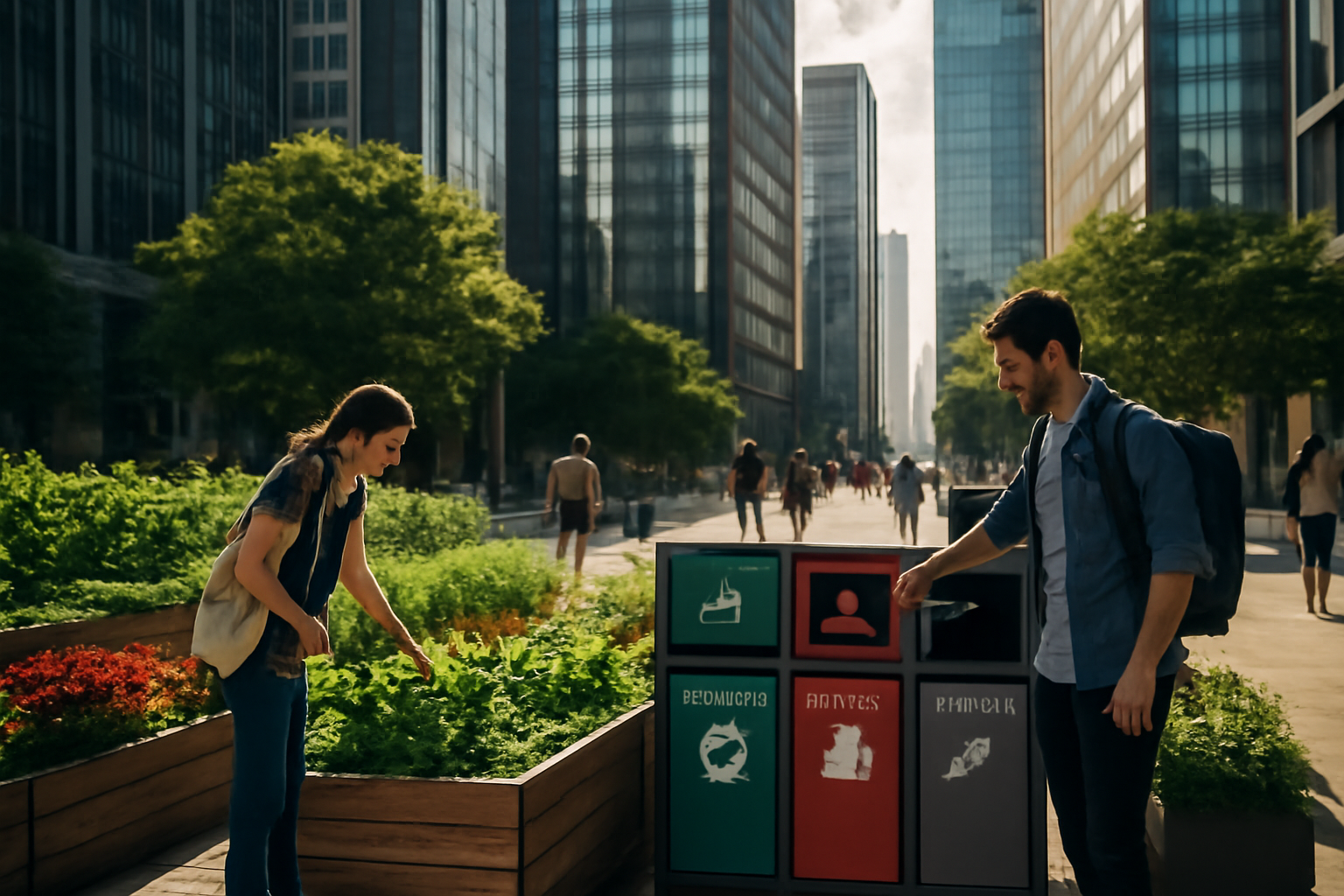
In today’s industry-driven society, the impact of unchecked waste generation is clearly evident. From overflowing landfills to increased pollution, the consequences are hard to ignore. Industries are under growing pressure to adopt sustainable waste practices that not only minimize their environmental footprint but also resonate with consumer demand for eco-friendly brands. As businesses seek innovative ways to reduce waste, the broader benefits extend to the economy and community health.
Understanding the profound effects of waste reduction and recycling on our environment is crucial. Through responsible waste management, companies contribute to crucial areas like local economy stimulation and community welfare, all while fostering an image that aligns with the increasing consumer preference for sustainability.
The Environmental Benefits of Sustainable Waste Management

Conserving Resources and Reducing Pollution
Sustainable waste practices, such as recycling and waste-to-energy projects, play a pivotal role in conserving valuable resources. Recycling uses significantly less energy compared to creating products from new materials, resulting in reduced carbon dioxide emissions. This shift not only curtails the demand for new raw materials but also minimizes the harmful pollutants that burden our ecosystem.
Moreover, as we move towards a circular economy—where waste is seen as a resource—industries can reduce their reliance on energy-intensive production methods. This transformation diminishes the environmental strain by lowering greenhouse gas emissions and conserving the finite resources of our planet.
Catalyzing Economic and Community Growth
By engaging in sustainable waste management, industries are not only protecting the environment but also stimulating local economies. Initiatives such as partnering with recycling programs can lead to the creation of green jobs and bolster local infrastructure. This commitment to sustainability portrays companies as responsible entities that actively support community well-being.
Investing in waste management programs can also foster innovation, paving the way for new technologies and services that enhance a community’s quality of life. Clean and well-maintained environments improve public health and create a positive image that encourages additional business investment.
[[artifact_table]] Benefits of Sustainable Waste Practices [[/artifact_table]]
Long-Term Economic Savings and Resource Efficiency
Effective waste reduction strategies can lead to significant cost savings for businesses. By generating less waste, companies can lower disposal costs, which include transportation and landfill fees. Additionally, recycled materials often have market value, providing an extra source of revenue.
The conservation of resources also aids in stabilizing market prices by reducing the demand for raw materials. This economic efficiency not only supports industries but also mitigates the pressures placed on natural resources, ensuring that they remain available for future generations.
Conclusion: Embracing Waste Reduction for a Sustainable Future

Waste reduction remains a cornerstone of effective waste management, offering substantial environmental and economic benefits. By carefully evaluating all areas of consumption, industries can identify opportunities for decreasing waste output. Starting with simple initiatives such as a waste audit, businesses can implement small changes that culminate in significant impacts over time.
Ultimately, cutting waste links directly to reducing the environmental toll of resource extraction. We encourage businesses to take immediate steps towards waste reduction, reinforcing the message that every effort compounds to achieve broader environmental success. For more information on our sustainable solutions, contact us at [Company Contact Link] or call (123) 456-7890.