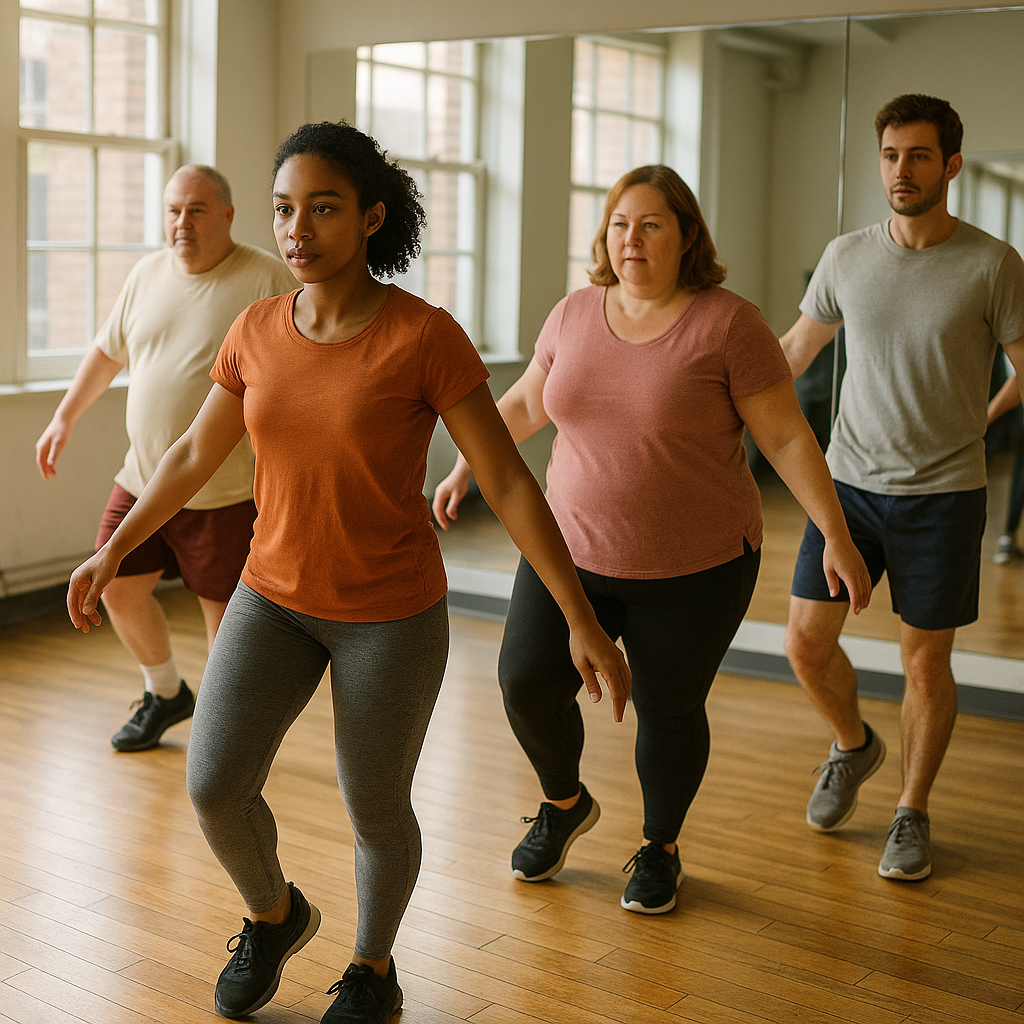
Have you ever watched dancers move gracefully across a floor and thought, “I wish I could do that”? Dancing has been a form of human expression for over a million years, and today it remains one of the most accessible ways to express yourself, stay physically active, and elevate your mood.
For many beginners, the thought of taking those first dance steps can feel intimidating. You might worry about rhythm, coordination, or what others will think. These concerns are completely normal. The truth is that anyone—regardless of age, background, or natural ability—can learn to dance with the right mindset and approach.
Learning to dance isn’t just about mastering movements; it’s about embracing a journey that builds confidence with each step. Whether you’re interested in hip-hop, ballroom, or simply moving comfortably at social gatherings, this article will provide the fundamental guidance you need to start your dance journey with confidence. Remember, every skilled dancer once took their first awkward steps.
How can I choose a dance style as a beginner?
Selecting your first dance style can feel overwhelming with so many options available. The good news is that every dance journey begins with a simple first step. Take time to explore different styles before committing to one.
Start by considering what kind of music makes you want to move. Your musical preferences often provide the best clues to which dance style might suit you. If you enjoy energetic hip-hop tracks, you’ll likely enjoy hip-hop dancing. If classical music moves you, ballet might be your calling.
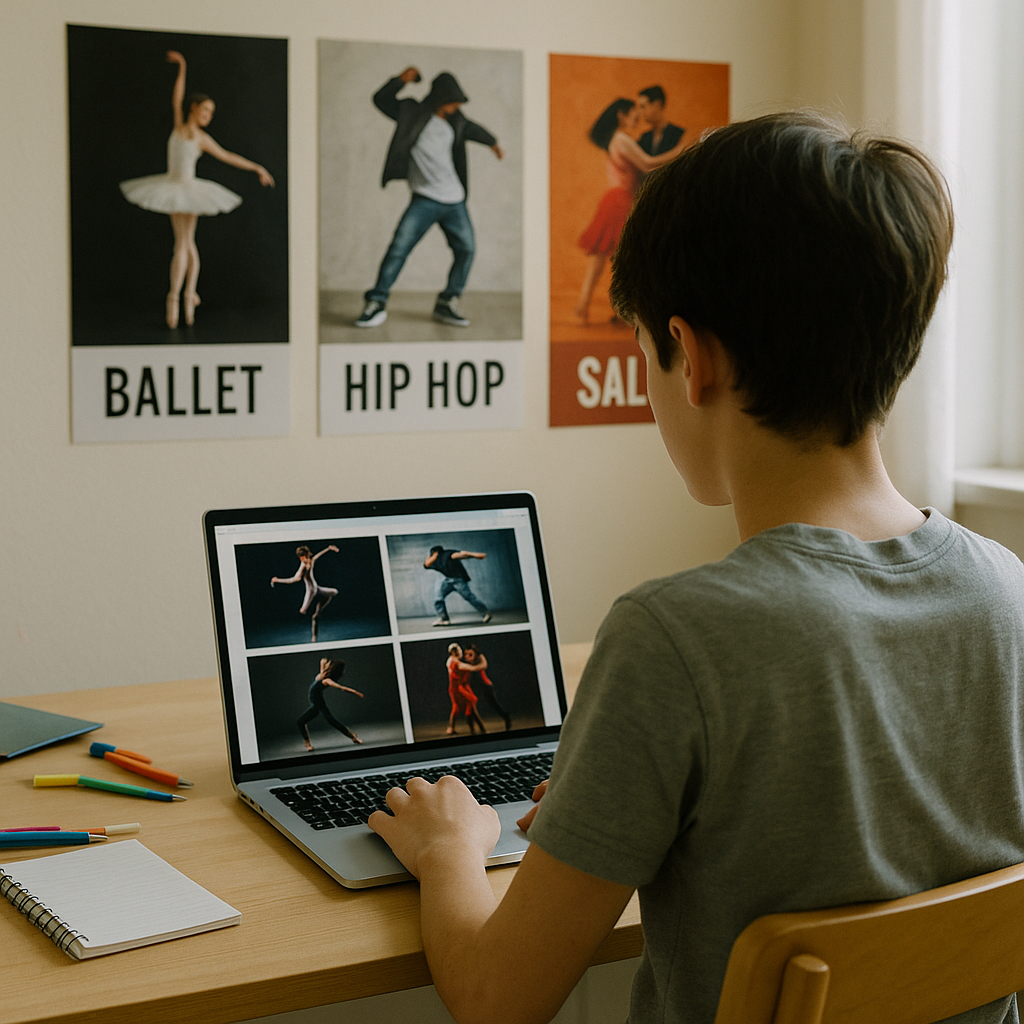
Watch videos of various dance performances online to see what resonates with you visually. Pay attention to how your body naturally responds to different styles. Does the fluid movement of contemporary dance captivate you? Or do you find yourself drawn to the structured elegance of ballroom?
Match Your Personality and Goals
Your personality and what you hope to gain from dancing should influence your choice. Are you looking for a structured activity with clear techniques? Ballet or ballroom might be ideal. If you prefer creative expression and freestyle options, hip-hop or contemporary could be better fits.
Consider whether you want a physical challenge, a social activity, or a form of artistic expression. Different dance styles offer different benefits. Salsa and other partner dances provide excellent social opportunities. Ballet and contemporary develop strength and flexibility. Hip-hop offers creative freedom and self-expression.
Remember that dance classes should be enjoyable. Choose a style that excites you, as your enthusiasm will help you persevere through the inevitable learning challenges.
Beginner-Friendly Options
| Dance Style | Music Type | Key Characteristics | Beginner Friendliness |
|---|---|---|---|
| Waltz | Classical, slow tempo | Elegant, flowing movements | Highly accessible with simple, repetitive patterns |
| Hip-Hop | Contemporary, upbeat | Energetic, expressive | Groove-based, allows for personal interpretation |
| Salsa | Latin, rhythmic | Passionate, social | Basic steps are straightforward to learn |
| Jazz | Varied, often upbeat | Dynamic, versatile | Good balance of structure and creativity |
Some styles are more beginner-friendly than others. The Waltz features simple box steps that are easy to grasp. The Foxtrot consists of walking movements combined with simple side steps. East Coast Swing uses basic rock steps and triple steps that beginners can quickly master.
Try a few introductory classes in different styles before deciding. Many dance studios offer trial lessons or beginner workshops. These give you a feel for the teaching style, the community, and whether the dance form suits your body and interests.
Listen to your body during these trial classes. A good fit should feel challenging but not impossible. You should leave feeling energized rather than defeated, even if you struggled with some steps.
Consider Practical Factors
Think about practical considerations too. Some styles require specific shoes or attire. Others might need more space to practice at home. Consider your schedule and budget when choosing where and how often to take classes.
Most importantly, remember that your first dance style isn’t a lifetime commitment. Many dancers start with one style and branch out to others as they gain confidence and skills. The fundamentals you learn in any dance form will help you if you decide to explore other styles later.
What are the first steps to start learning dance?
Taking your first steps into the world of dance can feel both exciting and intimidating. The good news is that everyone starts somewhere, and with the right approach, you can build a solid foundation for your dance journey. Here are practical first steps to help you begin learning dance effectively.
Find the Right Dance Classes
The most structured way to start dancing is by joining classes designed for beginners. Look for local dance studios that offer introductory lessons in styles that interest you, whether it’s hip-hop, salsa, ballet, or contemporary. Many studios provide free trial classes, allowing you to experience different styles before committing.
If in-person classes aren’t accessible, online platforms offer excellent alternatives. Websites like STEEZY or YouTube channels dedicated to dance instruction provide beginner-friendly tutorials you can follow at home. The key is finding instruction that breaks down movements clearly for newcomers.
Master Basic Dance Movements
Before attempting complex choreography, focus on fundamental movements that form the building blocks of most dance styles. Start with these essential basics:
| Basic Move | Description | Benefits |
|---|---|---|
| Two-step | A simple right-left stepping pattern that follows the beat | Builds rhythm awareness and timing |
| Shoulder roll | Controlled movement of shoulders forward, up, back, and down | Develops upper body isolation and fluidity |
| Basic footwork | Step-touch, grapevine, and weight transfers | Creates foundation for more complex patterns |
| Body isolations | Moving one body part while keeping others still | Increases body awareness and control |
Practice these movements slowly at first, focusing on precision rather than speed. As you become comfortable with each element, gradually increase your tempo to match the music’s beat.
Create a Consistent Practice Schedule
Dance skills develop through regular practice. Set aside dedicated time each week specifically for dance practice. Even 15-20 minutes daily is more effective than a single two-hour session once a week. Create a simple practice routine that includes:
Start with a proper warm-up to prevent injuries. Practice the basic moves you’ve learned in class. Spend time working on any areas that feel challenging. End with a short freestyle session to build creativity and confidence.
The 5×7×1 method works well for beginners: practice one specific dance move for 5 minutes daily, 7 days a week. This focused approach builds muscle memory quickly and shows noticeable results within days.
Record and Analyze Your Dancing
One of the most valuable tools for improvement is video recording. Set up your phone to record your practice sessions, then watch the footage to identify areas for improvement. Look for:
Timing issues – Are you staying on beat? Body alignment – Is your posture balanced? Movement quality – Are your movements fluid or stiff? Spatial awareness – How are you using the space around you?
While watching yourself can feel uncomfortable at first, it provides objective feedback that helps you make targeted improvements. Track your progress over weeks and months to stay motivated by seeing your growth.
Find Your Rhythm and Musicality
Dancing is ultimately about expressing music through movement. Take time to really listen to music and identify the beat. Start by simply tapping your foot to the rhythm, then incorporate small movements like head nods or shoulder sways.
When practicing, choose music with clear, consistent beats. As you advance, challenge yourself with different tempos and music styles to develop adaptability. Remember that feeling the music is just as important as executing technical movements.
With consistent practice, patience, and these fundamental steps, you’ll build the foundation needed to progress in your dance journey. Everyone starts somewhere, and celebrating small victories along the way keeps the process enjoyable and rewarding.
How can I improve my rhythm and coordination?
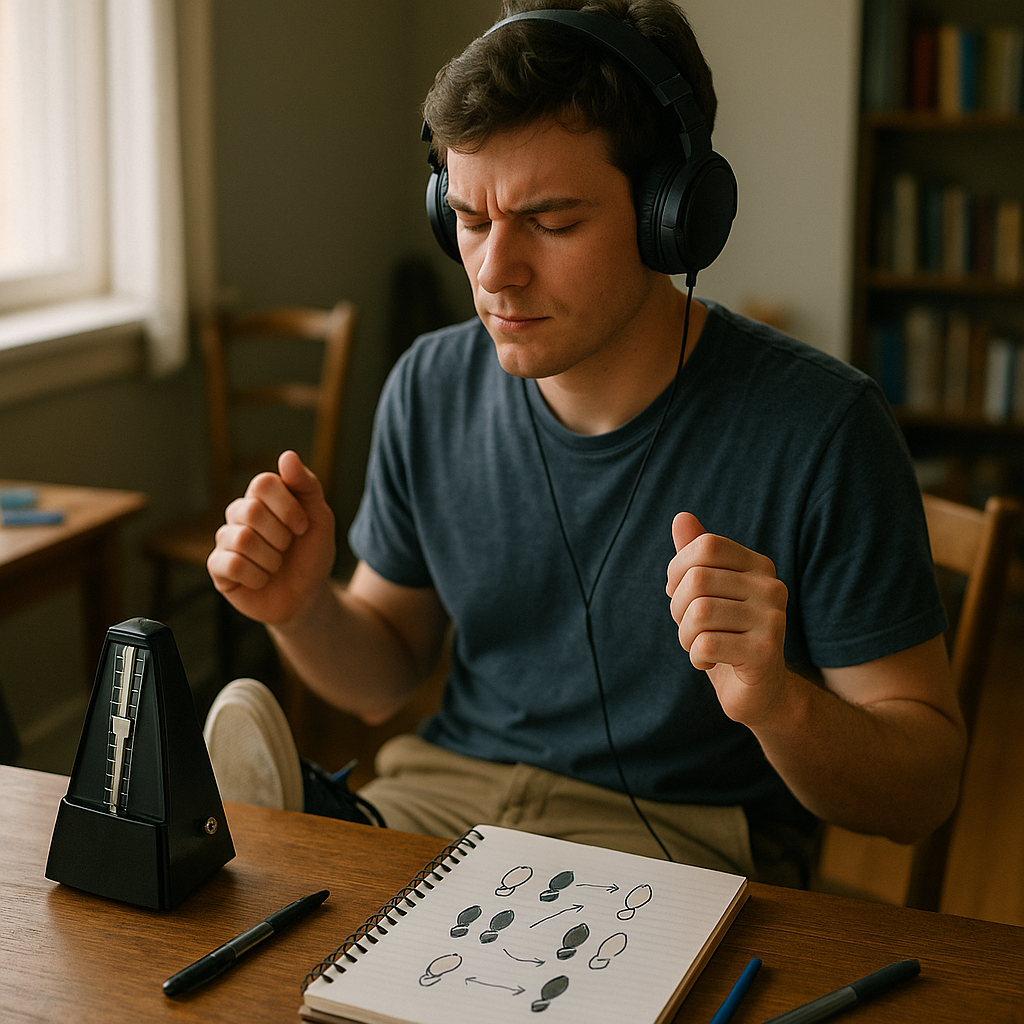
Developing rhythm and coordination isn’t just for professional dancers. These skills benefit everyone and can be built through simple daily practices. The connection between music and movement creates pathways in your brain that improve overall body awareness.
Start with Basic Rhythm Exercises
Begin by simply listening to music with clear beats. Choose songs with consistent tempos like pop or dance music. Try tapping your foot to match the rhythm while sitting at your desk or waiting in line.
Progress to clapping along with the beat. This helps your body internalize rhythm patterns without the pressure of full dance movements. Even stomping or nodding your head strengthens your natural sense of timing.
Practice counting beats aloud – “1, 2, 3, 4” – while tapping to reinforce the connection between your mind and body. This mental mapping of rhythm translates directly to improved coordination during movement.
Incorporate Simple Movement Patterns
Once comfortable with basic beat-keeping, add simple movements. Start by swaying side to side with the music. Keep your feet planted and just shift your weight between them.
Progress to stepping in place, matching each step to the beat. This builds your ability to coordinate leg movements with rhythm. Try marching in place with high knees to further challenge your balance and timing.
Practice isolating different body parts. Move just your shoulders to the beat, then just your hips, then combine them. These isolated movements build the foundation for more complex coordination patterns.
Enhance Flexibility Through Targeted Stretches
Limited flexibility often restricts coordination. Include regular stretching in your routine to increase your range of motion. Hold each stretch for 20-30 seconds without bouncing.
Focus on areas that typically limit dancers: hamstrings, hips, shoulders, and back. Try toe touches, butterfly stretches, arm circles, and gentle spinal twists. Better flexibility allows for smoother transitions between movements.
Consider adding yoga to your routine. Many yoga poses simultaneously improve flexibility and balance, creating a solid foundation for better coordination.
| Exercise Type | Benefits | Frequency | Examples |
|---|---|---|---|
| Rhythm Practice | Timing awareness, beat recognition | Daily, 5-10 minutes | Foot tapping, clapping, counting |
| Basic Movements | Body awareness, weight shifting | 3-4 times weekly, 15 minutes | Swaying, stepping, marching |
| Flexibility Work | Increased range of motion | 4-5 times weekly, 10 minutes | Stretching, yoga poses |
| Coordination Drills | Independent limb control | 2-3 times weekly, 10 minutes | Isolations, pattern practice |
Practice Multi-Limb Coordination
Challenge yourself with exercises requiring different movements from each limb. Try patting your head while rubbing your stomach. This classic exercise effectively highlights coordination challenges.
Progress to moving your arms and legs in different patterns. March in place while swinging your arms in the opposite direction. This contradictory movement builds neural pathways that improve overall coordination.
Play rhythm games that require quick responses to changing beats. Dance video games offer structured practice with immediate feedback on your timing accuracy. These gamified approaches make practice more engaging.
Conclusion: Embracing Your Dance Journey
Dancing is more than learning steps and routines. It’s a personal journey of growth, self-discovery, and joy. As we’ve explored throughout this article, progress comes not just from technical practice but from embracing the entire experience with patience and positivity. The beauty of dance lies in its ability to transform both body and mind while allowing for genuine self-expression.
Remember that everyone begins as a beginner. The professional dancers you admire once struggled with the same steps that might challenge you now. What sets successful dancers apart isn’t natural talent but consistent practice, a positive mindset, and the courage to continue despite setbacks. Celebrate each small victory along your path—whether it’s finally mastering a difficult turn, finding your rhythm, or simply feeling more confident on the dance floor. These moments of progress, however small, build the foundation for your unique dance story.